


Business Sectors
Events
Contents
Register to read more articles.
NDAA legislation ‘a gut punch to US offshore wind industry’
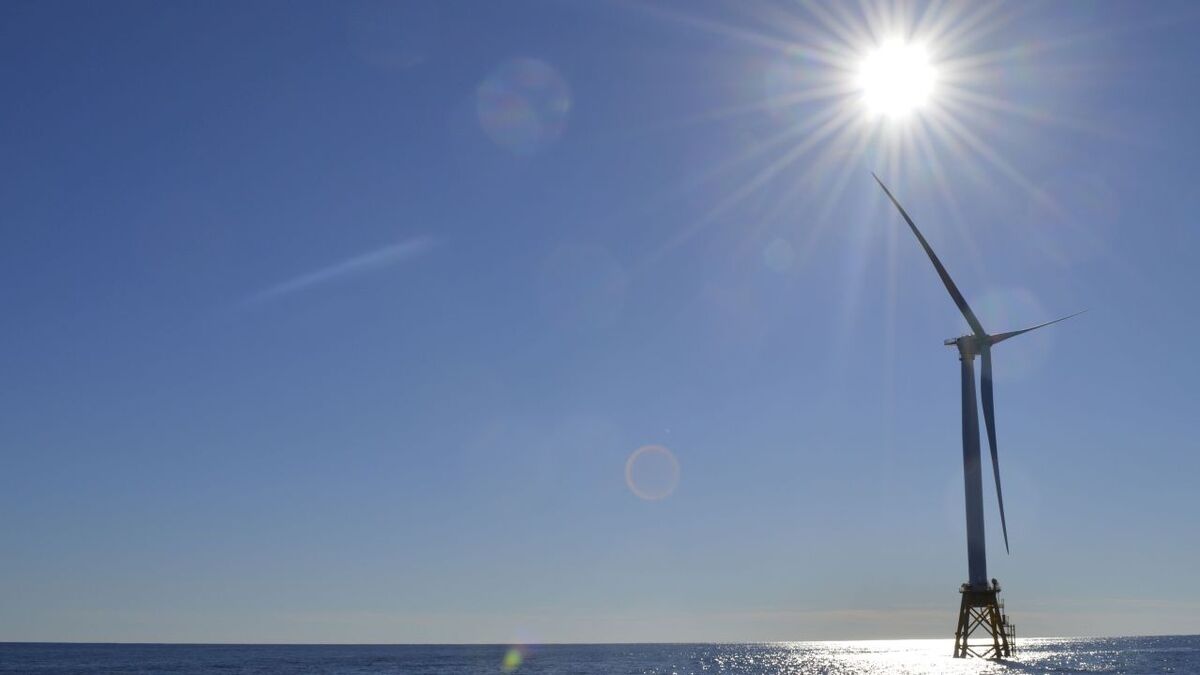
Clean energy advocates say measures passed by the House of Representatives on 14 July 2022 that would change manning requirements for offshore vessels could severely affect the US offshore wind industry


American Clean Power (ACP) Association chief executive Heather Zichal issued the following statement after the House attached a provision to the National Defense Authorization Act (NDAA), which would alter longstanding rules for manning vessels in US waters.
“This provision is a gut punch to offshore wind projects and it has nothing to do with making the Coast Guard any stronger,” she said. “It doesn’t belong in the law. It certainly doesn’t belong in the NDAA.
“We knew that if this largely unvetted crewing provision becomes law, it will delay offshore wind development and stymie the nation’s goal of deploying 30 GW of offshore wind by 2030.
“We can’t keep saying we support clean energy and clean energy jobs but then pass laws that undermine them. Offshore wind can create up to 83,000 new American jobs, but this vote undermines that possibility, imposing vessel crewing requirements before there are enough domestic vessels available to do the work.
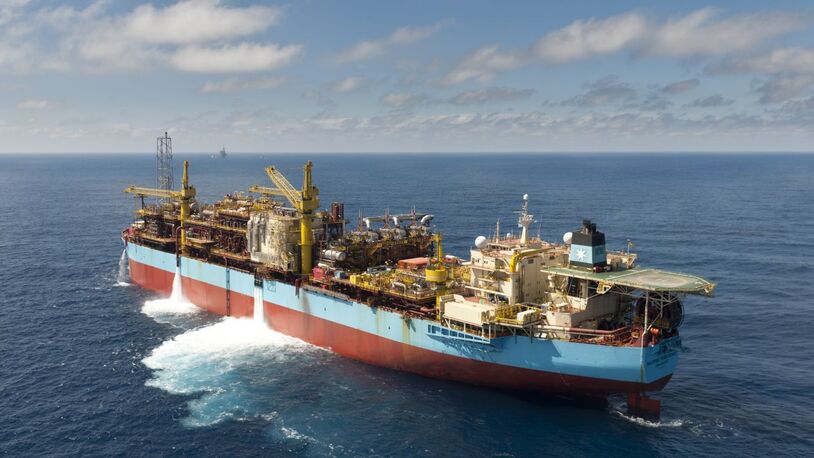
“It’s a matter of math,” said Ms Zichal. “Today, the US-flagged specialised construction vessels simply do not exist. Today, there aren’t nearly enough US mariners trained to operate them either. Congress is imposing a provision that will only hurt American workers who won’t be able to build the offshore installations today and tomorrow – without any benefit.
“Let’s be clear. If we stay on track, coastal communities will benefit from clean and reliable energy, more local jobs, and growing supply chains. As these projects are built, all of the vessels going from US ports to offshore turbines will be made in America and more than 80% of the crews on board will be American mariners. But if we allow this provision to veer us off track, long-term power offtake contracts and awards will all be put at risk – for nothing.
“We need Congress to replace this ill-conceived crewing mandate with policy incentives that actually build more US-flagged vessels and train more American mariners. That’s how America wins.”
Responding to the news, Winston & Strawn maritime practice manager Charlie Papavizas said, “Inclusion of the manning proposal in the NDAA makes it more likely that something is going to be done this year on offshore manning because the NDAA has historically been enacted every year.”
Mr Papavizas explained that the Coast Guard Authorization Act is a legislative proposal which now has passed the House twice – once as a stand-alone proposal and once, on 14 July 2022, as part of the NDAA.
“The significance is that the Coast Guard bill does not always become a law every year and gets tripped up more easily by controversy,” he told OWJ. “The NDAA gets done no matter what.
“As a result, it is more likely today that something will be done on manning than it was when the manning proposal was only in the Coast Guard authorisation. The next thing to watch is what the Senate Commerce Committee does on the Coast Guard bill on or about 27 July 2022.”
Prior to the measure being passed, Congressman Jake Auchincloss (D-MA04) led signatories to a letter with 30 colleagues asking for language in the Senate’s Coast Guard Reauthorization to be removed because it would damage the offshore wind industry.
In the letter to Chairwoman Cantwell and Ranking Member Wicker, who led the Senate Commerce Committee considering the US Coast Guard Authorization for fiscal year 2023, Congressman Auchincloss and colleagues said, “We write to urge the removal of a provision included in the House companion bill that has the unintended consequence of threatening the future of our nation’s offshore wind industry and our nation’s energy independence.
“As Members of Congress representing states and districts with nascent offshore wind development, we are deeply concerned about how this provision will impact career opportunities for our constituents. Removing this language would allow for the House and Senate to reach a compromise that achieves our shared goals of supporting a US offshore wind workforce, including domestic shipbuilding.
“Section 518 in HR 6865 would prohibit offshore wind developers in the US from employing necessary construction vessels, including wind turbine installation vessels, because they are foreign flagged and manned with a workforce that we currently do not have stateside.
“It is a misconstrued extension of the Jones Act. Custom and Border Protection’s (CBP) own interpretation of the Jones Act has determined that the law already requires the transportation of merchandise between offshore wind turbine foundations and US ports to be done by American mariners on US flagged ships. Per CBP’s guidance, the use of foreign-flagged vessels, like installation vessels… is consistent with prior interpretations of the Jones Act.
“While misconstrued, the amendment’s intent is just. We strongly support its attempt to foster American jobs in the offshore wind sector. However, the actual effect of this provision will be contrary to its intent. Should this provision become law, tens of thousands of good US jobs in the offshore wind industry are at risk.
“By prohibiting the use of wind turbine installation vessels… we sacrifice all of the jobs that would have existed during the lifetime of these projects, including for maintenance and operations.”
Congressman Auchincloss said ceasing construction at this early stage will jeopardise more than 30 offshore wind projects along the east coast and thousands of jobs.
Congressman Auchincloss noted that as the bill was considered on the House floor, Chairman DeFazio agreed in a colloquy that it is not the intent of the legislation to impede offshore wind and he would work to assure that it does not. “Including this language as written would not simply impede offshore wind projects – it would crater the industry,” he said.
Riviera Maritime Media will provide free technical and operational webinars in 2022. Sign up to attend on our events page
Related to this Story


Events

Maritime Regulations Webinar Week
 16 Dec 2025
 GMT - ONLINE
Floating energy: successfully unlocking stranded gas using FLNGs and FSRUs
24 Feb 2026GMT - ONLINE
© 2024 Riviera Maritime Media Ltd.


