


Business Sectors
Events

Floating energy: successfully unlocking stranded gas using FLNGs and FSRUs
 24 Feb 2026
 GMT - ONLINE
Contents
Register to read more articles.

New liquefaction projects to drive robust LNG newbuilding
Barring ‘Black Swan’ events, powerhouse LNG panel sees a bright future for LNG newbuilds to meet growing global LNG supply driven by new liquefaction capacity


One of the pivotal determining factors in the growth of the global LNG shipping fleet will be how much liquefaction capacity will increase by 2030, according to a panel of influential shipping, energy analyst, broker and class society executives.
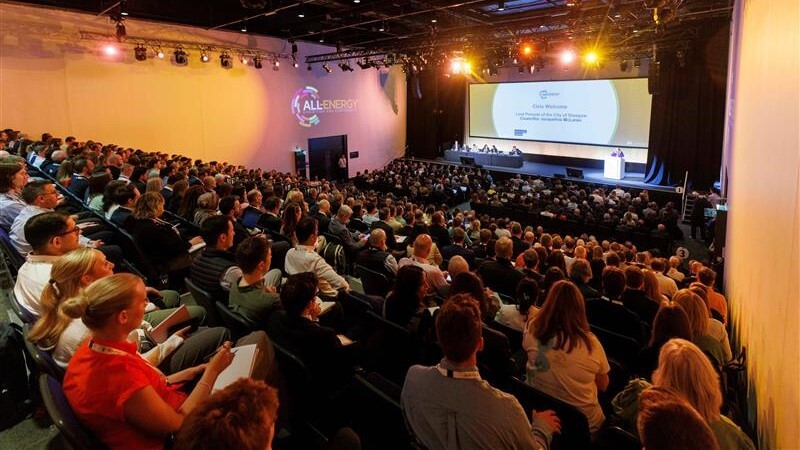
The powerhouse panel of experts, speaking at the 17th Annual Capital Link International Shipping Forum on 20 March in New York City, agreed that LNG newbuildings need to keep pace with the growing demand for LNG.
By the end of the decade, an extra 150M tonnes of LNG supply, 65 tonnes of which will come from export facilities in the US, will be added to the current global trade of 400M tonnes. But that still leaves plenty of room for growth for what many see as an interim fuel between fossil and renewables, with the growth hotspots being the US, Qatar and Mozambique.
Moderated by ABS vice-president for business development, North America, Roy Bleiberg, the panel was generally bullish about the future of LNG. As Golar LNG chief executive Carl Fredrik Staubo points out, an increase of 150M tonnes still only boosts volumes of LNG from 3% to 5% of the global energy mix. “If you take the environmental benefits and flexibility of LNG as a baseload support for the expansion of renewables, we believe this market has way more capacity to grow if we truly want to replace fuels like Brent and coal.”
In short, the panel agrees, the big issue is one of constraints in supply rather than in demand. And if supply continues to grow, as most of the panel expect, that puts the pressure on the shipping fleet.
Newbuild demand to increase
The current orderbook for newbuilds stands at nearly 300 vessels but, citing a recent spate of positive final investment decisions (FIDs) and other projects at different stages of permits, Mr Staubo believes demand could hit 400 ships, although not necessarily by 2030.
“Even if a fraction of these projects materialise – and I think we should be expecting more FIDs over the next few quarters – we can very easily get to the 300 ships that are on order today. And that’s without taking into account fleet attrition,” he said, drawing attention to about 50 ageing vessels that will become expensive to operate in a low-emissions environment that will require them to be modified accordingly.
That immediately raises the issue of available shipyard space for newbuilds. “Right now, South Korea and China are full at least until the second half of 2027,” points out Nasdaq-listed Capital Product Partners chief executive Jerry Kalogiratos. “We are in a market that looks very tight indeed going forward,” he adds.
Timing will be a key factor in an uncertain world, according to LNG shipbroker and consultancy Poten & Partners’ senior advisor Gordon Shearer. Noting geopolitical uncertainties in Europe and mounting pressure for renewables, he believes the EU presents “a huge wild card” in terms of the timing of LNG projects because of Brussels’ commitment to eliminate hydrocarbons by 2040. “If you have got an LNG project that starts its first deliveries in 2028, you cannot quite make the numbers add up,” he points out.
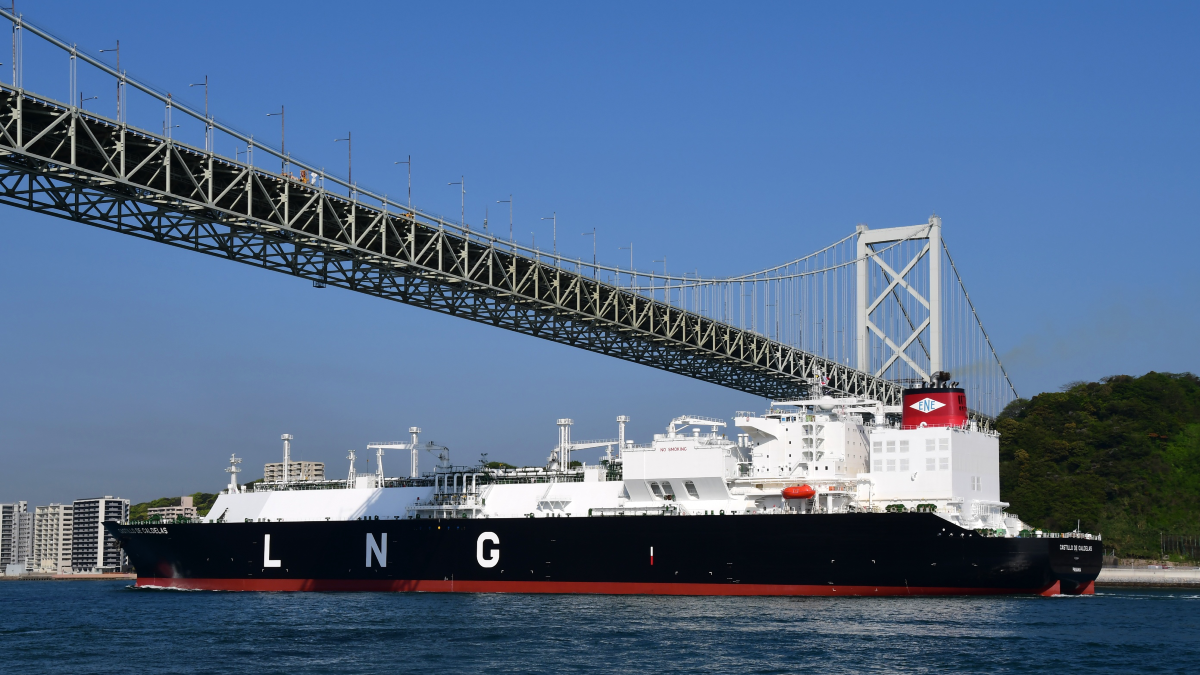
In a highly competitive market, smaller operators such as Golar LNG will be a force, predicts CoolCo chief executive Richard Tyrell. CoolCo operates a fleet of Golar-branded LNG carriers and floating storage and regasification units (FSRUs). Bullish on the future of FSRUs because of their cost advantage over shore-based regasification plants, he sees a ready market for the newly listed group. Interestingly, on the issue of converting older-generation LNG carriers to FSRUs, Mr Staubo believes most of the vessels due for retirement are far too small.
Canvasing the bigger picture, the panel essentially ruled out the likelihood that LNG will become a commodity like crude or other hydrocarbon fuels such as LPG in view of LNG’s rapid growth and continuing demand.
As Poten & Partners chairman emeritus Michael Tusiani points out, the LNG industry has grown enormously in the last 20 years, jumping from “barely 100M tonnes in 2000 to over 400M at the end of 2022 for an average annual growth rate of 6.5%.” He notes this compares with just a 1.5% increase for oil over the same period.
In a snapshot review of LNG’s performance through 2022, Mr Tusiani cites Black Swan events in the form of the Covid pandemic and Russia-Ukraine war that have seen skyrocketing short-term or spot contracts priced against gas. “At one point last year, the differential between US Gulf coast prices and those in Europe became so large that the value of a single cargo soared to about US$200M. This allowed sellers to pay a daily spot rate of US$400,000 or more, and amazingly, without too much hesitation, this still generated over a US$100M of profit on the transaction.”
Although European and Asian prices have fallen since, there are still substantial profits to be made.
Long-term future
However, big question marks still loom over the long-term future for LNG, warns Mr Tusiani. For instance, will consumers in growth markets such as China, India and Pakistan favour LNG over coal and oil at the former’s current high prices? And would American politicians interfere in the market by changing the rules, as they did earlier in ways that transformed the gas industry? By no means least, he asked whether emerging energy sources such as hydrogen and ammonia and the resurgence of nuclear could slow the growth of LNG.
And finally, returning to another much-debated issue about LNG’s role as an interim fuel, he asks, “How will LNG, a fossil fuel, fit in a decarbonising world?”
More immediately, he predicts the US will soon surpass Qatar as the world’s largest exporter, in part because US LNG is by far more flexible as buyers are not limited by destination restrictions or volume commitments. Designed to stop buyers from reselling cargoes, they have given way to market pressure with Australian, Indonesian, South Korean and even Chinese cargoes ending up in Europe.
And finally, addressing the headline issue of the rising cost of LNG newbuilds with US$260M being a widely accepted price of a vessel for delivery in 2027, Mr Tusiani points out the first 138,000-m3 steam turbine-powered vessel built in Japan 27 years would cost over US$550M in today’s money. Clearly, owners face a dilemma. “Are the more cautious owners waiting for yard prices to fall or do they feel today’s strong charter rates cannot last?” he asks.
Shipping and its role in carbon capture and storage will be a key topic at the CO2 Shipping & Terminals Conference being held in London on 23 June 2023. Secure your place here.
Related to this Story

Events

Maritime Regulations Webinar Week
16 Dec 2025GMT - ONLINEFloating energy: successfully unlocking stranded gas using FLNGs and FSRUs
24 Feb 2026GMT - ONLINE
© 2024 Riviera Maritime Media Ltd.


