


Business Sectors
Business Sectors
Events
Contents
Register to read more articles.
Ballast water treatment system inspections set to increase from September 2024
With the final ballast water deadline fast approaching, UV-based water treatment specialist BIO-UV Group anticipates an increase in inspections as Port State Control (PSC) inspectors check machinery installations, crew competencies and Ballast Water Management (BWM) Plans


From 8 September this year, all vessels subject to the BWM Convention must have installed a D-2 compliant ballast water treatment system capable of dealing with the maximum number of viable organisms allowed to be discharged.
This is less than 10 organisms of 50 µm or more per 1 m3 of water and less than 10 organisms of 10-50 µm per 1 ml of water.
Yet while there is still a two-year grace period under the Experience Building Phase of Resolution MEPC.290(71), which precludes operators from being penalised for non-compliant ballast water discharge until 2026, ships can still be detained if inspectors find BWM systems poorly maintained, operated and documented.
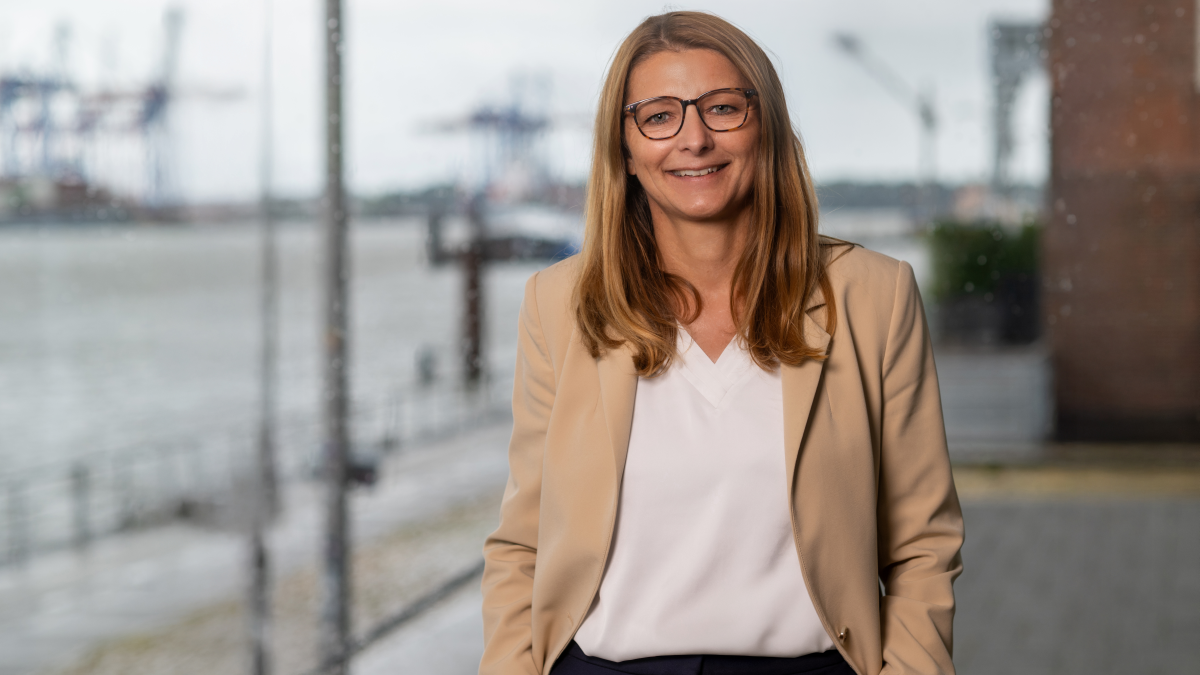
“We are aware of increased Port State Control inspections in China, Australia and the USA as they implement Focus Campaigns on ship machinery and electrical systems. Although ballast water treatment systems are not being singled out specifically, the Focus Campaigns aim to prevent any mechanical or electrical systems failure on board,” said BIO-UV Group’s BWT project manager Charlène Ceresola.
“We expect the Paris and Tokyo MoUs to follow suit. If there are clear grounds crews are incorrectly operating and maintaining the BWM system or if record keeping is lackadaisical, ships could be penalised.”
An annual BWMS report is currently a mandatory US requirement for vessels navigating US waters. But elsewhere, as of now, an annual check is only an OEM recommendation supported by IMO guidelines.
BIO-UV Group maritime division director Maxime Dedeurwaerder said, “Ship operators can’t afford for port authorities to suspect the crew doesn’t know how to correctly maintain, operate or calibrate the system. A ballast water treatment system is a closed-loop system so regular maintenance is the only way of knowing if a UV-based system’s lamps, reactors and filters are working as they should. It is essential to comply with these checks and maintenance procedures to ensure the continued compliance of the system. An annual system check is crucial.”
To help ensure operators its BIO-SEA ballast water system consistently passes muster with port authorities, BIO-UV Group has introduced a BWTS Compliancy & Performance service that takes the complexity out of ballast water management.
Under the agreement, BIO-UV Group service teams carry out a thorough inspection of the BIO-SEA system, identifying any issues and carrying out any repairs that are required.
Service teams then calibrate and monitor control equipment to ensure sensors and instruments are providing accurate readings, before carrying out performance tests to ensure it meets the required discharge standards. Logbooks are checked and maintained, and crews are assessed on their ability to properly operate the system.
BIO-UV Group deputy managing director Simon Marshall added, “Ship managers have two years to ensure their ballast discharge waters are compliant, but only until September to get their crews up to speed with system maintenance and operation. The service agreement solution is designed to optimise BIO-SEA operation and reduce maintenance costs to ensure the vessel’s ballast water treatment is always compliant and passes port inspection.”
The International Convention for the Control and Management of Ships’ Ballast Water and Sediments, 2004 (Ballast Water Management Convention) was adopted in 2004 with the aim of protecting the marine environment from the transfer of invasive species and organisms in ships’ ballast water.
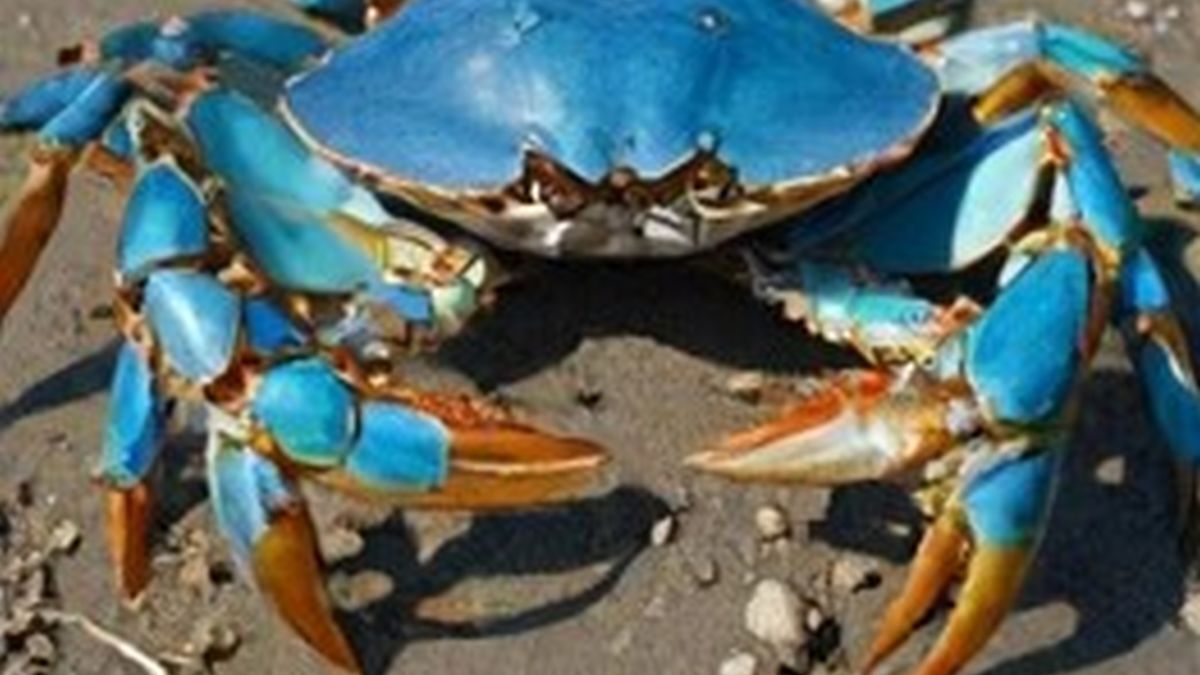
Asian kelp, Zebra mussels, European green crabs, North Pacific seastars, Caulerpa taxifolia (killer algae) and the cholera pathogen are just some of the invasive species ballast treatment systems prevent from spreading.
Sign up for Riviera’s series of technical and operational webinars and conferences:
- Register to attend by visiting our events page.
- Watch recordings from all of our webinars in the webinar library.
Related to this Story

Events

Maritime Regulations Webinar Week
 16 Dec 2025
 GMT - ONLINE
Floating energy: successfully unlocking stranded gas using FLNGs and FSRUs
24 Feb 2026GMT - ONLINE
© 2026 Riviera Maritime Media Ltd.


