


Business Sectors
Business Sectors
Events
Contents
Marine engineers offer 'solution to unite the industry' on climate regulation debate
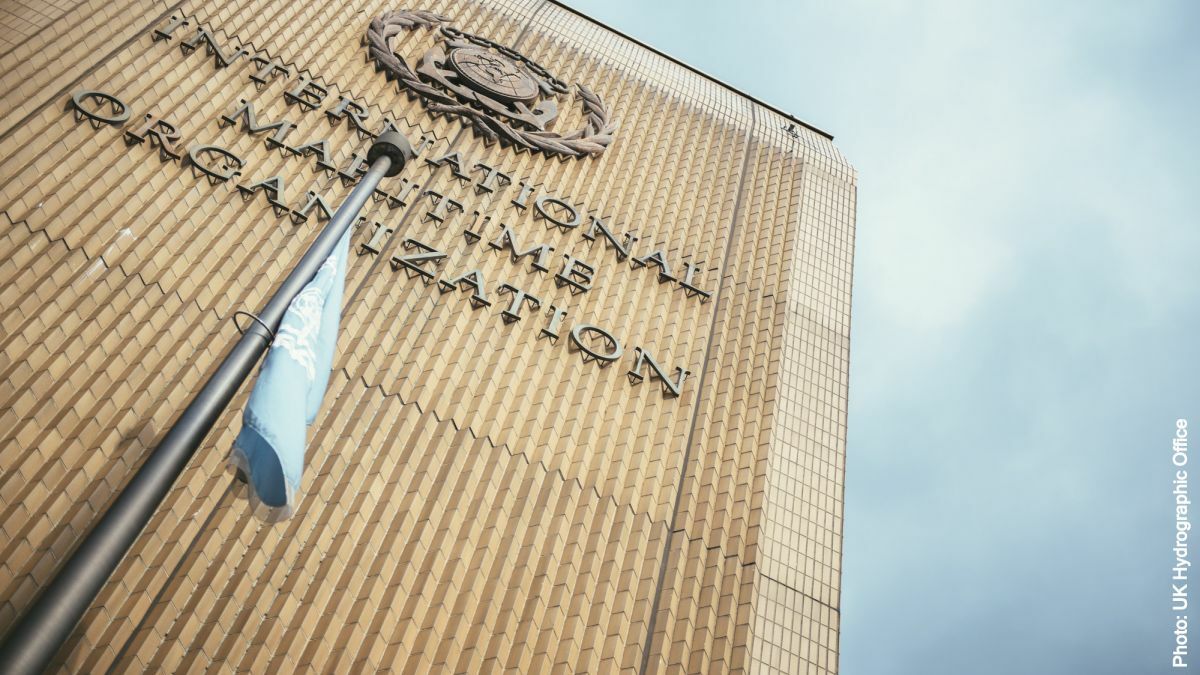
As industry groups issued repeated calls for unity at International Maritime Organization’s (IMO) upcoming environment committee meeting, IMarEST proposes using reverse auctions


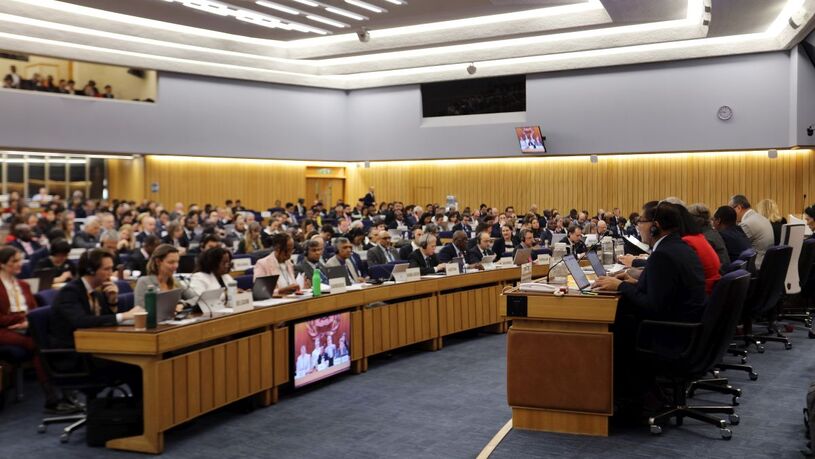
Ahead of next week’s meeting of the IMO’s Marine Environment Protection Committee (MEPC84) in London, the Institute of Marine Engineering, Science and Technology (IMarEST) has set out proposals centred around reverse auctions.
The reverse auctions would, according to the group, work to direct subsidies from IMO’s Net-Zero Framework (NZF) toward deploying the technical solutions most likely to achieve widespread uptake and deliver the most significant emissions reductions for the industry.
The Institute said ensuring that the NZF climate framework for shipping "is scalable, practical to deliver, and reduces investment risk... and is essential if the global shipping industry is to adopt an effective pathway to net-zero greenhouse gas emissions by 2050".
IMarEST said its proposal argues that reverse auctions, alongside targeted support for the most promising solutions, would prevent incentives from being spread too thinly and ensure investment is focused on technologies with the greatest potential to deliver cost‑effective, scalable emissions reductions.
"Well‑designed reverse auctions have already demonstrated their effectiveness in driving innovation in terrestrial renewable energy projects," the group said.
The proposal draws on research from University College London, which suggests that around 5% industry adoption is a critical threshold to catalyse sector-wide uptake of technology.
"By directing IMO funding to help solutions reach this level as soon as possible," the IMarEST said, "the NZF incentive fund can achieve far greater impact by setting a direction for the decarbonisation of the industry and lowering the cost of the transition for all."
IMarEST technical and policy director Alasdair Wishart said reverse auctions could unlock the billions of dollars of capital that the maritime industry needs to finance new energy production and supply chains.
"Without clear direction from IMO on meeting 2050 emissions targets, the industry risks an unworkable fragmentation of national and regional regulations to reduce greenhouse gas emissions. Our proposal will help to shape a Net Zero Framework that is robust, practical and capable of delivering real impact, and is vital to the future sustainability of our industry.”
According to IMarEST’s IMO delegate, UCL professor Tristan Smith, research consistently shows that shipping will need to rapidly shift to renewable energy production and supply chains to reduce emissions and slow climate change.
"We cannot continue to rely on fossil fuels. Only by promoting solutions that deliver environmental, economic and social benefits will we find a way forward,” he said.
IMarEST will present its reverse auction proposal at a lunchtime session at the IMO on Thursday 23 April at 12:45, to be attended by representatives from IMO member states, industry and technical experts, and IMO observers.
Sign up for Riviera’s series of technical and operational webinars and conferences:
- Register to attend by visiting our events page.
- Watch recordings from all of our webinars in the webinar library.

Related to this Story
Events

Maritime Regulations Webinar Week
 16 Dec 2025
 GMT - ONLINE
Floating energy: successfully unlocking stranded gas using FLNGs and FSRUs
24 Feb 2026GMT - ONLINE
© 2026 Riviera Maritime Media Ltd.


