


Business Sectors
Business Sectors
Events
Contents
Register to read more articles.
How shipowners boost CII ratings through weather routeing
Operational efficiency measures available today can improve a ship’s Carbon Intensity Indicator (CII) by two ratings, but charterer collaboration is required to implement them, experts said during Riviera Maritime Media’s Boosting CII ratings with weather routeing and voyage optimisation: strategies for shipowners webinar


Ships can cut fuel consumption and emissions by as much as 25% by adopting voyage efficiency improvements, the panel agreed during the webinar, held 26 June 2023 during Riviera’s Ship Navigation Webinar Week.
Sofar Ocean global sales director Nick Pinkney said emissions can be reduced significantly by lowering voyage speeds from 13 knots to 11 knots, minimising time spent anchored outside ports and at berth, and using electric power at quaysides.
“If ships are sitting in port and not running on electric, this will hurt CII,” said Mr Pinkney. “Fuel per nautical mile will influence CII, so speed is a major factor. There is greater importance for weather routeing with accurate weather forecasts.”
Weather forecasts can be made more accurate with real-time date from Sofar’s network of ocean buoys with sensors recording oceanological and meteorological information such as waves, wind, currents, air pressure, temperature and rain fall.
“The quality of routes and speeds depends on the quality of data input for optimising voyages to use favourable weather or reducing risk from adverse weather,” said Mr Pinkney.
With a constant flow of ocean and weather information, voyages can be dynamically updated to reduce fuel consumption or avoid heavy weather more effectively.
Shipowners can be proactive in searching for efficiency opportunities to improve the CII ratings.
For example, a ship rated in rank C could leap to rank A through optimised voyages, effective drydockings to reduce hull and propulsion friction, and accurate weather routeing to benefit from favourable currents and avoid hazardous conditions.
However, owners need to work with charterers to reduce inefficiencies, which can be difficult under established charterparty contracts.
BIMCO director for standards, innovation and research Grant Hunter said underlying principles in standard charterparties are a barrier to sustainable shipping efficiency.
“True efficiency will come from joint endeavours involving all stakeholders in shipping,” he said. “Contractual frameworks using old forms and will not provide a pathway to decarbonisation and digitalisation.”
These contracts between owner and charterer can inadvertently reward inefficiencies and need reform, not just patching up with clauses.
BIMCO has, in the past few decades, created clauses to existing charterparties covering international sanctions, piracy, disease outbreaks and pandemics. The next set of charterrparty clauses will cover environmental requirements from voyages.
“Emissions and CII are not addressed in these contracts, so we are creating clauses for slow steaming, virtual and just-in-time port arrival and CII,” said Mr Hunter.
But these are just sticking plasters on existing contracts; something new is required to modernise charterparties and owner-charterer relationships.
“We need owners and charterers working together to change the way a ship is operated,” said Mr Hunter, adding charterparties need to be less restrictive to enable innovations to cut emissions and improve CII.
Established contracts are for voyage, time or bareboat charters. “We need to make shipping look further ahead, so we are looking at the fourth way charter.” These contracts would cover controlling fuel consumption, avoiding bad weather, optimising voyages and just-in-time port arrival for decarbonisation and efficiency improvements.
Ship performance will be monitored, with penalties for underperformance and rewards for overperformance to incentivise shipowners and crews to improve efficiencies and reduce fuel consumption.
“We will encourage new ways of doing things,” said Mr Hunter. “The framework of contracts will change with this drive in decarbonisation and new shipping charter models will improve efficiency.”
Cargo owners and integrated supply chain operators will have more input in ship chartering. “We all have to work together to succeed,” he continued. “The shipowner cannot do this alone. We need collaborative processes and to look to stakeholders for making shipping more efficient.”
Webinar poll results
Attendees were asked to vote on a series of poll questions during the webinar. Here is a summary of the results.
Charterers are aligned and supportive with the operational and commercial changes required to enable a C rating and better
Strongly disagree: 2%
Disagree: 29%
Neutral: 42%
Agree: 15%
Strongly agree: 12%
Do you think the underlying principles in existing standard charter parties are a barrier to greater and more sustainable efficiency in shipping?
Strongly disagree: 3%
Disagree: 13%
Neutral: 18%
Agree: 51%
Strongly agree: 15%
Do you think the industry will see the emergence of dynamic charterparty clauses that combine technology with contractual wording to provide new financial incentives to improve performance based on mutually agreed shared data?
Yes: 77%
No: 23%
From an enforcement perspective, what is the biggest challenge in promoting weather routeing for CII ratings improvement?
Lack of standardised guidelines and regulations for weather routeing practices: 46%
Limited resources and expertise for monitoring and verifying compliance: 8%
Ensuring consistent data collection and reporting across the industry: 21%
Overcoming resistance and non-compliance from shipowners and operators: 25%
Addressing potential privacy and security concerns related to weather data sharing: 0%
From a charterer’s perspective, which approach has the biggest value in terms of CII ratings enhancement, and why?
Optimising voyage routes based on real-time weather data: 8%
Collaborating with owners and operators to implement weather routeing strategies: 38%
Investing in advanced weather forecasting systems for better decision-making: 4%
Utilising fuel-efficient vessels and propulsion technologies: 35%
Implementing emissions reduction initiatives in line with industry standards: 15%
In your opinion, what will be the single biggest innovation in weather routeing by 2035?
Advanced machine learning algorithms for more accurate weather predictions: 11%
Integrating artificial intelligence in real-time vessel performance optimisation: 53%
Adopting IoT-enabled sensors for precise environmental monitoring: 21%
Developing autonomous vessels with built-in weather routeing capabilities: 13%
Implementing blockchain technology for secure weather data sharing: 2%
What is the biggest challenge in implementing weather routeing for boosting CII ratings?
Limited availability and accuracy of weather data: 11%
Resistance to change from traditional voyage planning methods: 21%
Complex integration of weather routeing systems with onboard technologies: 25%
Insufficient awareness and understanding of weather routeing benefits: 25%
Compliance with regulations and industry standards: 18%
Source: Riviera Maritime Media
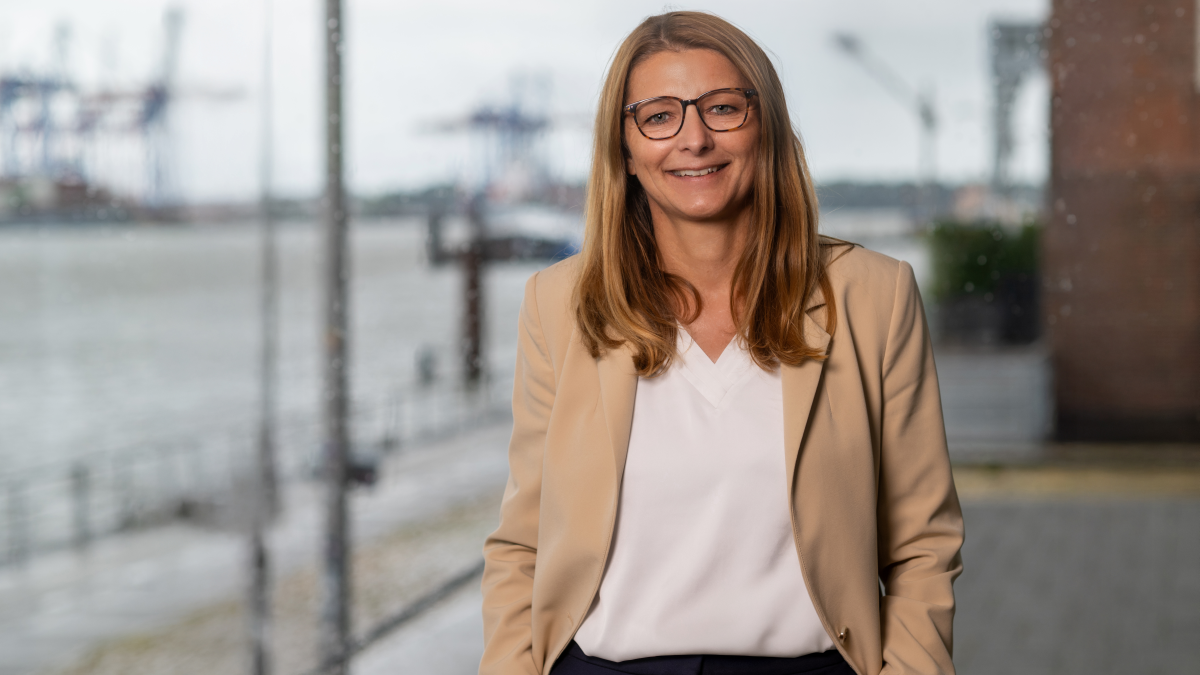
 On Riviera’s Boosting CII ratings with weather routeing and voyage optimisation: strategies for shipowners webinar panel were (left to right) BIMCO director for standards, innovation and research Grant Hunter and Sofar Ocean global sales director Nick Pinkney
Related to this Story
Events

Maritime Regulations Webinar Week
 16 Dec 2025
 GMT - ONLINE
Floating energy: successfully unlocking stranded gas using FLNGs and FSRUs
24 Feb 2026GMT - ONLINE
© 2026 Riviera Maritime Media Ltd.


