


Business Sectors
Business Sectors
Events
Contents

Propeller noise is now on the environmental agenda


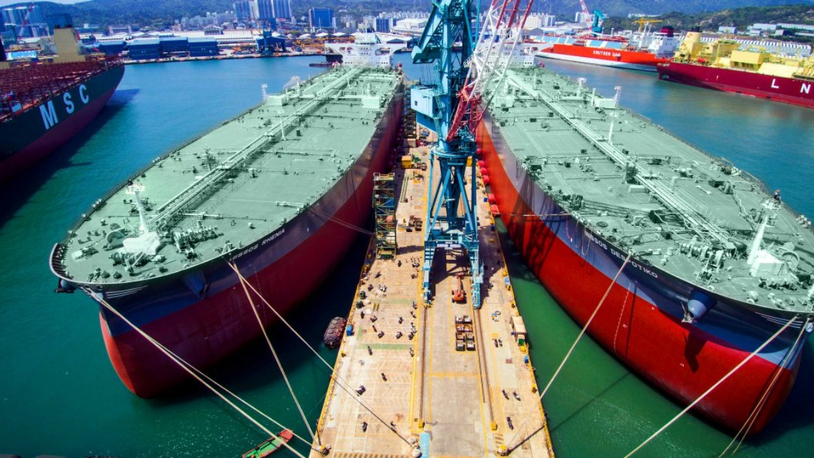
MEPC 59 saw discussion on the effects that noise from shipping can have on marine animals, an issue that was made a priority item at MEPC 58. Commercial cargo ships are most likely to disrupt the natural behaviour of whales with the broadband, low frequency noise they emit due to propeller cavitation. Within the lifetime of some whales, low frequency noise from shipping has increased by more than 10dB in some areas.
Increases in Arctic shipping may see noise levels increase dramatically there and more generally, increasing ocean acidity as a result of climate change, is expected to considerably increase the transmission of sound. The International Fund for Animal Welfare commissioned a report from Renilson Marine Consulting to examine ways of tackling the problem. A key finding was that a payback period of one to two years could be achieved when retrofitting wake flow devices that reduce fuel consumption as well as noise.
Peter Hinchliffe, marine director at the International Chamber of Shipping, believes that some noise solutions will improve efficiency but the paybacks may not be particularly significant. “Radiated noise from merchant shipping needs to be put into the context of radiated noise from land-based sources, recreational craft, the exploration and exploitation industries, as well as military activity. While shipping undoubtedly makes a contribution, it is by no means clear what frequencies and source levels cause problems for marine mammals.” TST





Related to this Story


Events

Maritime Regulations Webinar Week
 16 Dec 2025
 GMT - ONLINE

Floating energy: successfully unlocking stranded gas using FLNGs and FSRUs
24 Feb 2026GMT - ONLINE
© 2026 Riviera Maritime Media Ltd.


