


Business Sectors
Business Sectors
Events
Contents

Register to read more articles.

Research makes the case for bespoke fiscal regime to develop UK oil and gas resources
Research from Aberdeen University suggests it is economically, environmentally, and strategically beneficial for the UK to prioritise domestic oil and gas production rather than increasing reliance on imports


The research, ‘Powering the Energy Transition through Subsurface Collaboration,’ Proceedings of the 1st Energy Geoscience Conference, Geological Society London, notes that the UK is currently importing hydrocarbons and petroleum products at levels not seen since the 1970s, even as it progresses toward its net zero ambitions. The researchers argue that this trend presents both economic and environmental risks.
The paper highlights what the researchers say is a ‘widespread misconception’ about the UK’s offshore energy resources. While production from the North Sea is in long-term decline, the study emphasises that significant untapped potential remains in the West of Shetland basin, which is estimated to contain approximately 4.7 billion barrels of oil equivalent (boe) yet to be discovered.
However, the researchers caution that the region’s development is constrained by significant challenges, including limited infrastructure, complex geology, harsh operating conditions, and higher development costs, all of which have hindered investment and production to date.
“West of Shetland is not a depleted frontier, it is a technically demanding but strategically important energy province,” said University of Aberdeen professor of igneous and petroleum geology, Nick Schofield. “Our study highlights the remaining oil and gas potential in the area, which could extend the life of the UK’s oil and gas sector.”
John Underhill, Aberdeen University director for energy transition said, “Failing to develop these domestic resources risks increasing the UK’s dependence on imports, with implications for emissions, costs, jobs, tax revenues and energy security.”
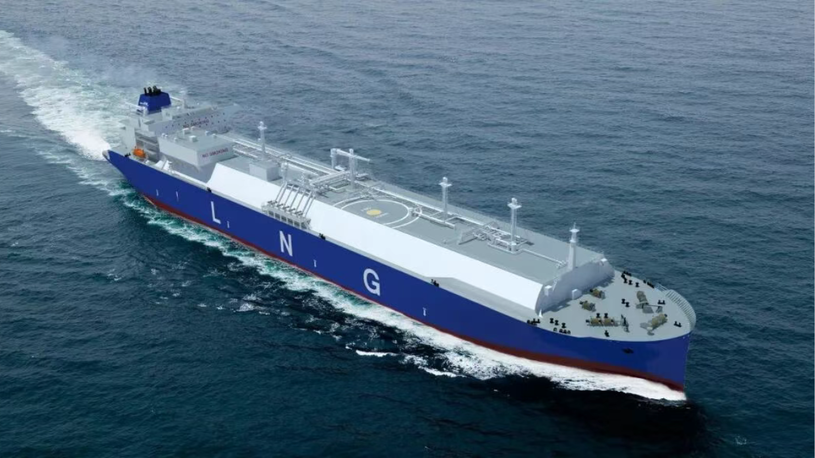
The research says imported fuels, particularly liquefied natural gas (LNG) – including gas from fracking shale in the US – is often associated with higher lifecycle emissions than domestically produced gas. The researchers also point to the geopolitical and supply chain vulnerabilities linked to reliance on overseas energy.
Despite progress in renewable energy, the study claims that oil and gas – especially natural gas – will remain essential components of the UK’s energy system through 2050 and beyond. In addition to energy generation, hydrocarbons will continue to serve as key inputs for industries such as fertiliser production and other chemical processes.
Against this backdrop, the researchers argue that making better use of domestic resources could help ensure a more controlled and secure energy transition, rather than increasing dependence on external suppliers.
Marking 50 years since the first exploration well was drilled in 1972, the paper traces the evolution of the West of Shetland basin from a frontier region to a proven but underdeveloped hydrocarbon province. More than 170 exploration wells have been drilled over five decades yet large areas remain underexplored, the researchers say, particularly where seismic imaging is difficult. The paper says the region’s exploration history has been characterised by episodic success, with major discoveries driving step changes in understanding rather than steady incremental gains. The presence of large undeveloped discoveries further underscores the basin’s significance, alongside its status as the largest remaining domestic hydrocarbon opportunity on the UK Continental Shelf (UKCS).
A central – and potentially controversial – recommendation of the paper is the introduction of a dedicated fiscal and regulatory framework for the West of Shetland region.
The researchers argue that a ‘one-size-fits-all’ approach to UKCS taxation fails to reflect the unique risks and costs associated with West of Shetland exploration, appraisal and development. As a result, they say projects that are technically viable may remain economically marginal under current conditions.
The paper claims the proposed tailored regime would recognise higher exploration and development costs; account for increased geological and operational risk; encourage investment in challenging projects; enable tie-backs to existing infrastructure that would provide energy security, tax revenues, retain jobs and be better for the global climate than importing LNG, which carries a higher carbon footprint; and support the development of already identified prospects within licensed areas.
“Without targeted fiscal measures and licensing regime, there is a real risk that significant volumes of recoverable resources will remain undeveloped,” says Professor Underhill. “A bespoke licensing regime tied to existing infrastructure would provide a pragmatic pathway to unlock value while maintaining environmental and economic responsibility.”
The study emphasises that developing West of Shetland resources could deliver broader benefits beyond energy supply, including supporting jobs, sustaining vital industry skills, and maintaining offshore infrastructure during the transition to low-carbon energy systems.
While the authors acknowledge that domestic production alone cannot reverse the long-term decline of the UKCS, they argue it can moderate the pace of decline, reduce reliance on imports, and provide greater control over emissions and supply chains.
The researchers conclude that West of Shetland should not be viewed as a relic of a fading oil and gas era or a complete solution to the UK’s energy challenges. Instead, they position it as a strategically important, technically complex region with a meaningful role to play in the country’s future energy mix. Its successful development, they argue, will depend on a combination of continued geological innovation; improved subsurface imaging technologies; infrastructure investment; and UK Government policy frameworks tailored to its unique challenges.
If these conditions are met, they say the West of Shetland could contribute to a balanced energy transition, providing domestic energy, economic value, and enhanced resilience while the UK continues its journey towards net zero.





Related to this Story

Events

Maritime Regulations Webinar Week
 16 Dec 2025
 GMT - ONLINE
Floating energy: successfully unlocking stranded gas using FLNGs and FSRUs
24 Feb 2026GMT - ONLINE
© 2026 Riviera Maritime Media Ltd.


