


Business Sectors
Business Sectors
Events
Contents

Register to read more articles.
Shell secures long-term LNG deal with Turkey's BOTAŞ
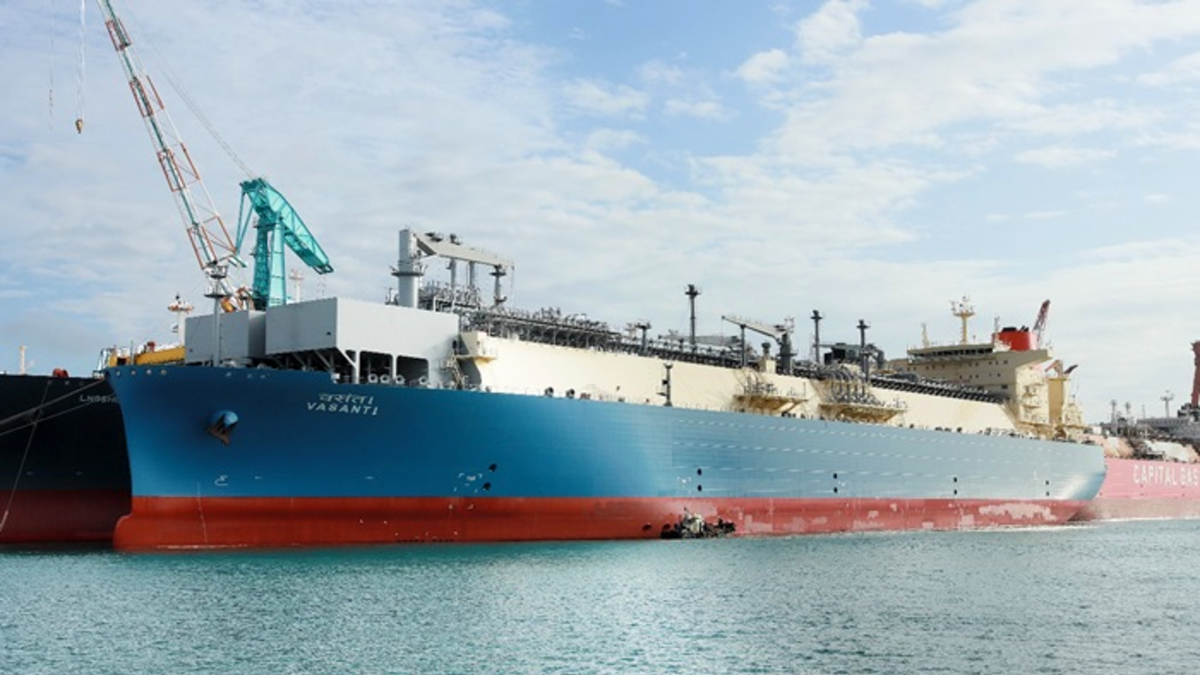
Shell’s LNG supply agreement with BOTAŞ strengthens Turkey’s energy security and regional influence, supported by the strategic deployment of FSRU Vasant 1


Shell has finalised a long-term LNG supply agreement with Turkey’s state-owned energy company BOTAŞ, a move that underscores Turkey’s expanding role in the global energy market.
The deal is a significant step in Turkey’s strategy to enhance its energy security, diversify its supply sources, and establish itself as a regional energy hub.
The agreement, which was announced by Shell on 1 September 2024, is expected to provide Turkey with a stable and reliable supply of LNG, supporting the country’s growing energy demands and its ambitions to become a central player in the regional energy market.
In the official press release, Shell Energy executive vice president Steve Hill stated, "This agreement demonstrates Shell’s ongoing commitment to Turkey and the critical role LNG can play in the country’s energy mix."
This agreement is particularly timely given Turkey’s recent efforts to bolster its LNG import infrastructure. Earlier this year, the FSRU Vasant 1 was deployed at Turkey’s new Saros terminal, significantly enhancing the country’s LNG import capacity.
Vasant 1, originally intended for India’s Jafrabad LNG terminal, was redirected to Turkey after delays in the Indian project. The vessel’s deployment has been instrumental in supporting Turkey’s ability to handle increased LNG imports, a necessity as the country seeks to reduce its reliance on pipeline gas and diversify its energy sources.
The Saros terminal, now operational with Vasant 1, is Turkey’s third FSRU-based LNG facility, further strengthening the country’s position in the regional energy landscape. The facility’s strategic location near Turkey’s European borders enables it to serve not only the domestic market but also neighbouring countries, such as Bulgaria, which recently entered into a 13-year agreement with BOTAŞ for LNG supply.
However, the development of the Saros terminal has not been without challenges. Environmental concerns have been raised due to the terminal’s location in an ecologically sensitive area, highlighting the ongoing tensions between energy expansion and environmental preservation and the geographical shifts in LNG supply and demand.
Geographical shifts in LNG supply and demand is a subject at the next LNG Shipping & Terminals Conference, which takes place in November 2024. Register here for more details.

Related to this Story

Events

Maritime Regulations Webinar Week
 16 Dec 2025
 GMT - ONLINE
Floating energy: successfully unlocking stranded gas using FLNGs and FSRUs
24 Feb 2026GMT - ONLINE
© 2026 Riviera Maritime Media Ltd.


