


Business Sectors
Events
Offshore Support Journal Conference, Middle East 2025
 09 Dec 2025
 DUBAI
DUBAIContents
Register to read more articles.
Shore power surge in container ship sector
Why the shore power adoption rate has increased ’dramatically’ in the box ship sector – and what more needs to be done


Shoreside investments and regulation are the key drivers behind the uptake of shore power in the container sector.
A huge driver is the FuelEU Maritime Regulation, whereby from 2030, passenger and container ships must use onshore power (OPS) at Trans-European Network (TEN-T) ports when moored for more than two hours. By 2035, this requirement extends to all EU ports where shore power is available. As Wärtsilä marine director, electrical and power systems business Torsten Büssow says, “The adoption of OPS in the container sector will increase, but how and when will largely depend on shoreside investments, driven by regulatory mandates. Currently, regulations remain uneven.”
And he points out infrastructure remains a challenge - only 35% of EU TEN-T core ports currently offer shoreside electricity, requiring significant investment to meet the 2030 target. “This uncertainty affects shipowners, but the good news is many newbuild container vessels (and more cruise and passenger vessels) now include cold ironing capabilities, and retrofitting is relatively simple,” he says.
“Where individual ports or nations want to introduce cold ironing capabilities, but need to see the vessel-side demand, incentives like tax breaks and port fee reductions for vessel owners and operators may encourage OPS uptake, and green corridors can help align fleet operations with available infrastructure, which is easier for liners than other vessel segments.”
Technical challenges
Aside from the need for shore-based infrastructure to be readily available, Mr Büssow says other technical considerations include high capital costs for vessel retrofitting, the relative cost of electricity compared with marine fuels currently, and the general challenges in retrofitting existing ships.
However, these challenges are being addressed through collaborative efforts among stakeholders, government support and technological advancements. For instance, he points out standardisation initiatives such as the IEC 80005 have facilitated the integration of shore power systems, and economic incentives are improving the financial viability of such investments.
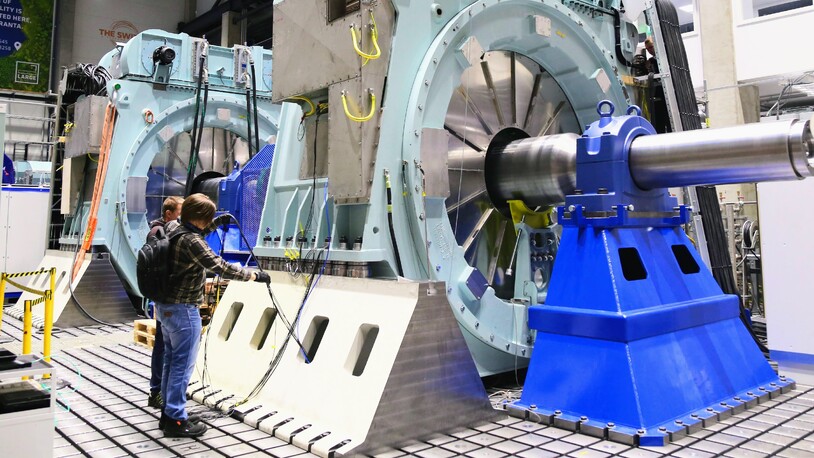
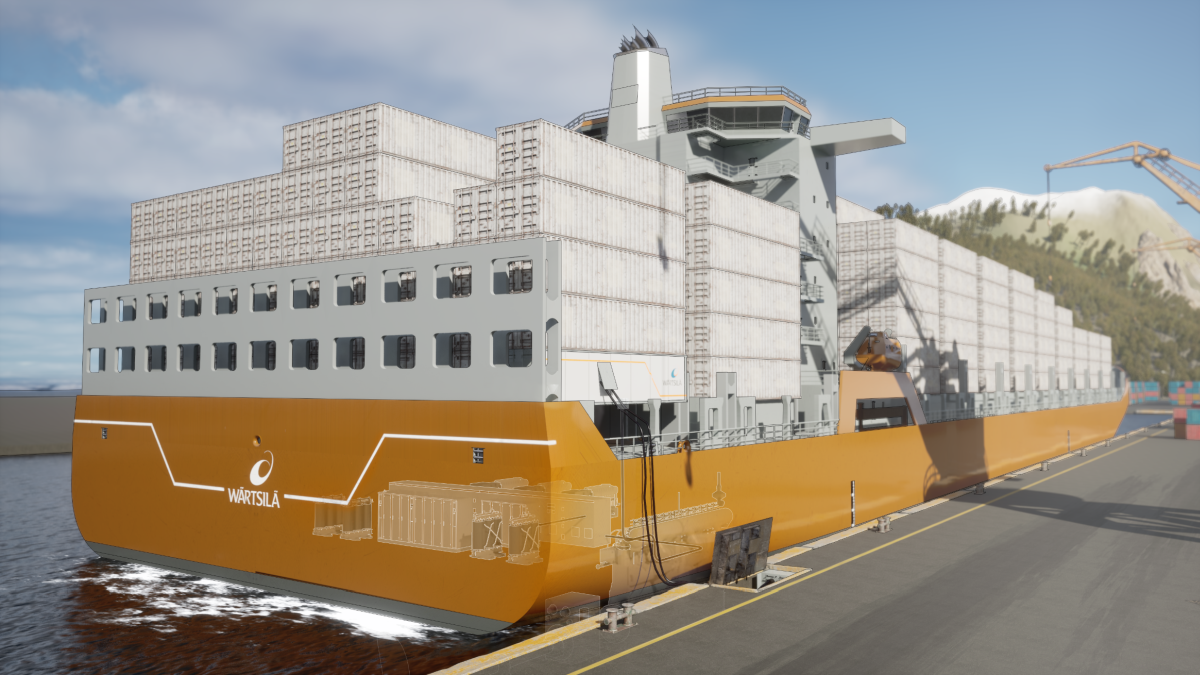
Mr Büssow adds, “That said, there are only a handful of engineering teams in the world with experience of designing and delivering shore power installations on commercial vessels. One of them is Wärtsilä, with 150 vessels around the world already benefiting from a Wärtsilä shore power solution. Most of these vessels use the Wärtsilä Shore Power Container (SPC) system, a containerised retrofit solution, which is ideally suited to container vessels.”
Wärtsilä’s shore power solutions are available as built-in shoreside systems or deck-mounted containerised systems and are designed in accordance with the IEC 80005 standard for high-voltage shore connection systems. “The system can be delivered as a containerised solution or installed on board a vessel as a single-component solution, so it is particularly well suited for container carriers,” Mr Büssow says.
The Wärtsilä SPC system includes all the necessary components inside a 40-ft high-cube container and can be installed in any suitable location on board. It can be fitted at build or retrofitted to existing vessels by connecting it to the existing control panels and systems with minimal downtime and while at berth. Importantly, the solution can be tailored to the needs of the vessel, for example, a step-down transformer can be installed for low-voltage applications. More customisable solutions are also available, for example, the shore cable reel can be installed in a 20-ft container on deck while the monitoring and control cabinet and high-voltage switchboard can be installed below deck or in a second 20-ft container, so it is a versatile solution.
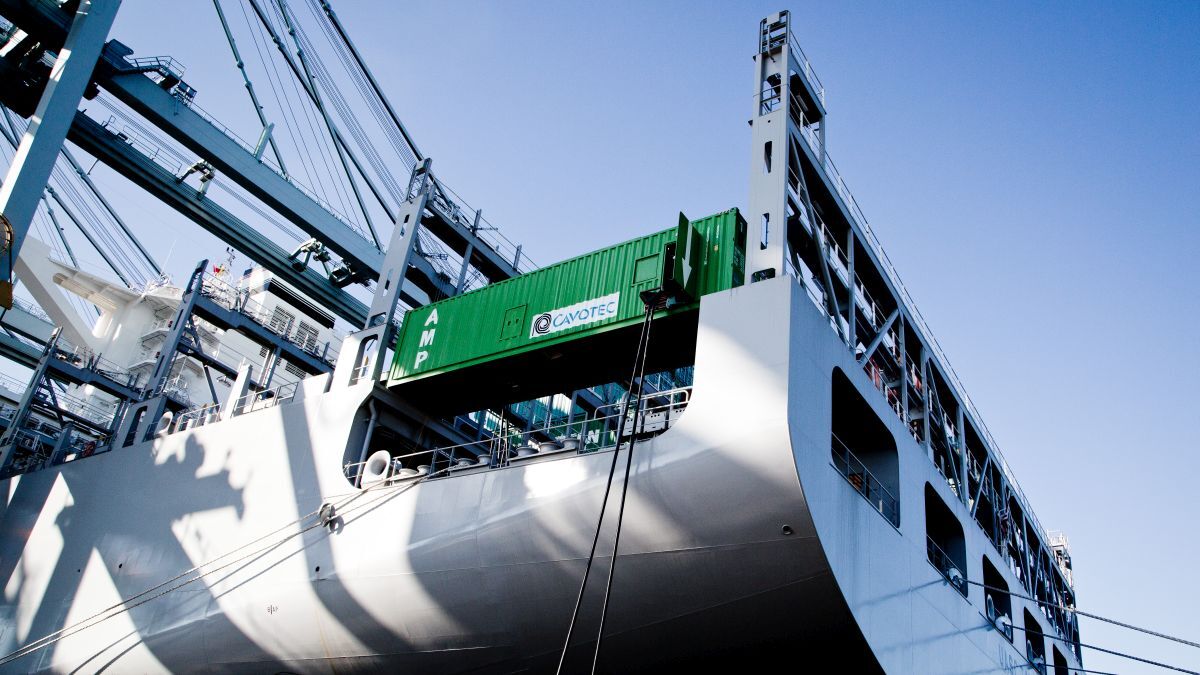
Meanwhile, Cavotec vice president of product management Laurent Dupuis says, “The number of ports, terminals and vessels, equipped, or about to be equipped has grown exponentially in the past few years. Shore power compatibility is requiring a significant investment and planning for both ports and vessels, so stakeholders currently using shore power had anticipated the regulations.”
Speaking about the use of shore power developing in the container ship sector, he says, “The equipment adoption rate has increased dramatically since the beginning of the decade. While it was still mostly a feature for the largest ships calling to China and California five years ago, it is considered now a standard equipment for most newbuilds.”
Standardisation
On the topic of standardisation, he says, “Shore power for cruise ships, ropax and container ships has been standardised since 2012. Both container ships and ports know what and how many connectors they must provide, the voltage and frequency level and the maximum power available at quay. The communication and safety protocols were also standardised in 2012, ensuring shore power for each type of ship is interoperable and safe.”
However, as he points out, the position of the connection point is however not standardised, leaving these choices to port and vessel owner.
On the topic of challenges, he says, “The major barriers to the adoption of shore power by both shipowner and terminal operators are the funding for terminal upgrades and the price of electricity. Hopefully these issues are being addressed with arrival of private developers supplementing government funds, and particularly in Europe, the recent Green Industrial Deal aimed at making electricity more affordable.
A major theme is a rise in shore power retrofits for container ships. “Retrofits for shore power has seen a surge in activity. It started more than 10 years ago with a couple of vessels per year, and we now estimate around 100 vessels are being retrofitted by year, with the fleet of retrofitted vessels approaching 1,000.”
Mr Dupuis adds, “After nearly 50 years of supplying shore power equipment to thousands of newbuilds and existing vessels, Cavotec is proud to expand its role in accelerating the adoption of shore power by offering turnkey retrofit solutions for all types of vessels, including container ships, roro, ropax, pure car carriers and tankers."
Sign up for Riviera’s series of technical and operational webinars and conferences:
- Register to attend by visiting our events page.
- Watch recordings from all of our webinars in the webinar library.
Related to this Story
Events
Offshore Support Journal Conference, Middle East 2025
09 Dec 2025DUBAI
Maritime Regulations Webinar Week
16 Dec 2025GMT - ONLINE
Maritime Decarbonization Conference, Americas 2026
22 Jan 2026HOUSTON
Offshore Wind Journal Conference 2026
02 Feb 2026London
© 2024 Riviera Maritime Media Ltd.


