


Business Sectors
Events

Floating energy: successfully unlocking stranded gas using FLNGs and FSRUs
 24 Feb 2026
 GMT - ONLINE
Contents
TSOs outline vision of 50 GW of offshore wind in the Baltic
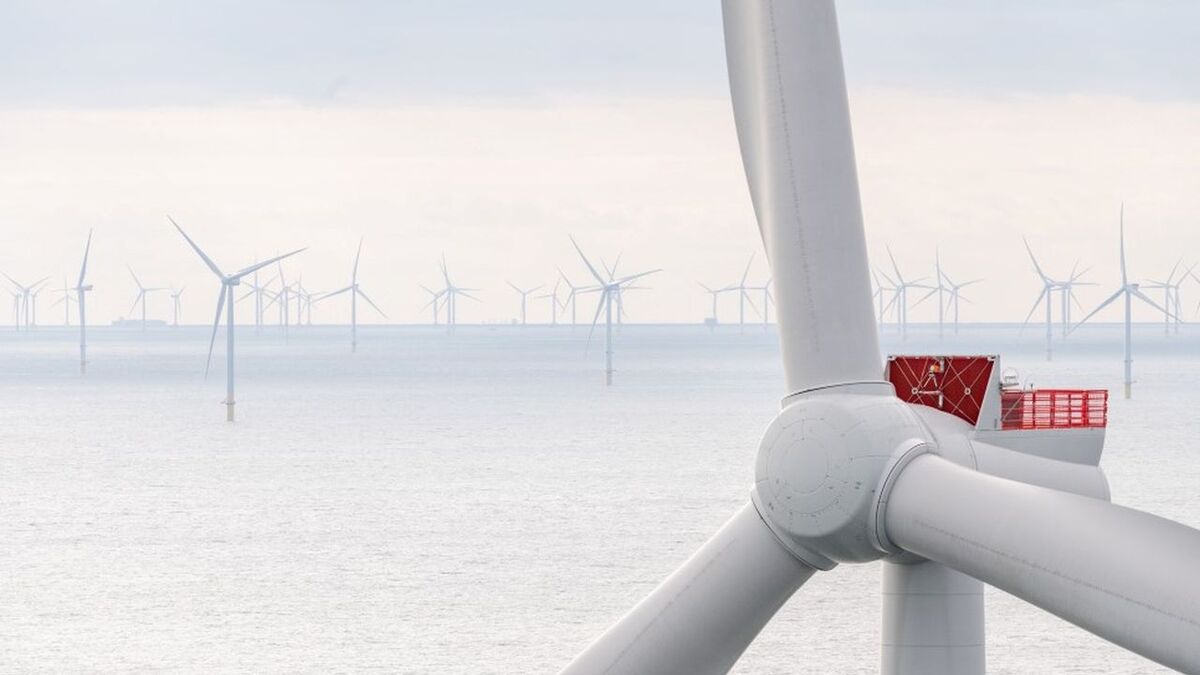
Transmission system operators (TSOs) in eight countries bordering the Baltic believe the region could generate 50 GW of electricity from offshore wind by 2040


The transmission system operators also believe that 13 GW of cross border interconnectors could be installed in the Baltic by the same date, enabling countries in the region to trade electricity generated by offshore windfarms.
The findings were published on 22 January 2026 in the first comprehensive regional study of offshore infrastructure and offshore wind in the Baltic, Baltic Offshore Grid Initiative: System Study 2026.
In the study, published by the Baltic Offshore Grid Initiative (BOGI) formed by the TSOs of Denmark, Estonia, Finland, Germany, Latvia, Lithuania, Poland and Sweden, the transmission system operators outline a vision of the Baltic as a ‘clean energy hub’ with 13 GW of cross-border interconnectors and up to 50 GW of additional offshore wind by 2040.
The interconnectors include point-to-point links between countries and strategic nodes such as Bornholm, which could serve as future hybrid hubs. The market modelling undertaken in the study indicates that interconnectors would have a high level of utilisation throughout the year, significantly reduce system costs, price peaks and CO2 emissions.
The study sees the greatest growth in offshore wind capacity in Poland, Finland and Sweden. Other Baltic states could also develop significant offshore wind capacity, including for export, although development of new capacity in Denmark and Germany could be constrained by limited remaining offshore areas in the Baltic. (Both countries also have the option to develop offshore windfarms in the North Sea).
Based on the assumptions used in the study, most new offshore windfarms are connected radially, directly to shore as distances to shore are rather short. Some countries, however, provide ‘offshore nodes’ that serve as ‘hybrid hubs,’ with the Danish island of Bornholm emerging as a central point linking development of new capacity in Denmark, Sweden and Germany.
The study builds on the national development plans and the European Ten-Year Network Development Plan (TYNDP) framework and provides a common basis for joint decision making and more fully aligned national planning processes.
The study also highlights the important role of sector coupling, in which offshore wind not only provides electricity directly to consumers but feeds a growing hydrogen system. The analysis by the TSOs also sees the Baltic as a net exporter of electricity to the rest of Europe, underlining its strategic value for regional energy security.
Sensitivity analyses in the study examine how developments in demand for electricity and hydrogen, availability of onshore renewable energy and investment costs influence network infrastructure needs and offshore wind build-out. “While the scale of offshore wind and hydrogen production shifts strongly across sensitivities, the results show that interconnector projects remain robust,” said the TSOs. They also noted that, with publication of the study a few days before the North Sea Summit in Hamburg, the Baltic is positioning itself as a frontrunner in regional cooperation.
“This approach and methodology offer a practical example for other European sea basins,” they state. “Regional offshore cooperation is the key to unlocking the potential of network infrastructure and offshore wind energy across Europe.”
The eight TSOs participating in the study included 50Hertz (Germany), AST (Latvia), Elering (Estonia), Energinet (Denmark), Fingrid (Finland), Litgrid (Lithuania), PSE (Poland) and Svenska kraftnät (Sweden).
Related to this Story
Events

Maritime Regulations Webinar Week
16 Dec 2025GMT - ONLINEFloating energy: successfully unlocking stranded gas using FLNGs and FSRUs
24 Feb 2026GMT - ONLINE
© 2024 Riviera Maritime Media Ltd.


