


Business Sectors
Events

Floating energy: successfully unlocking stranded gas using FLNGs and FSRUs
 24 Feb 2026
 GMT - ONLINE
Contents

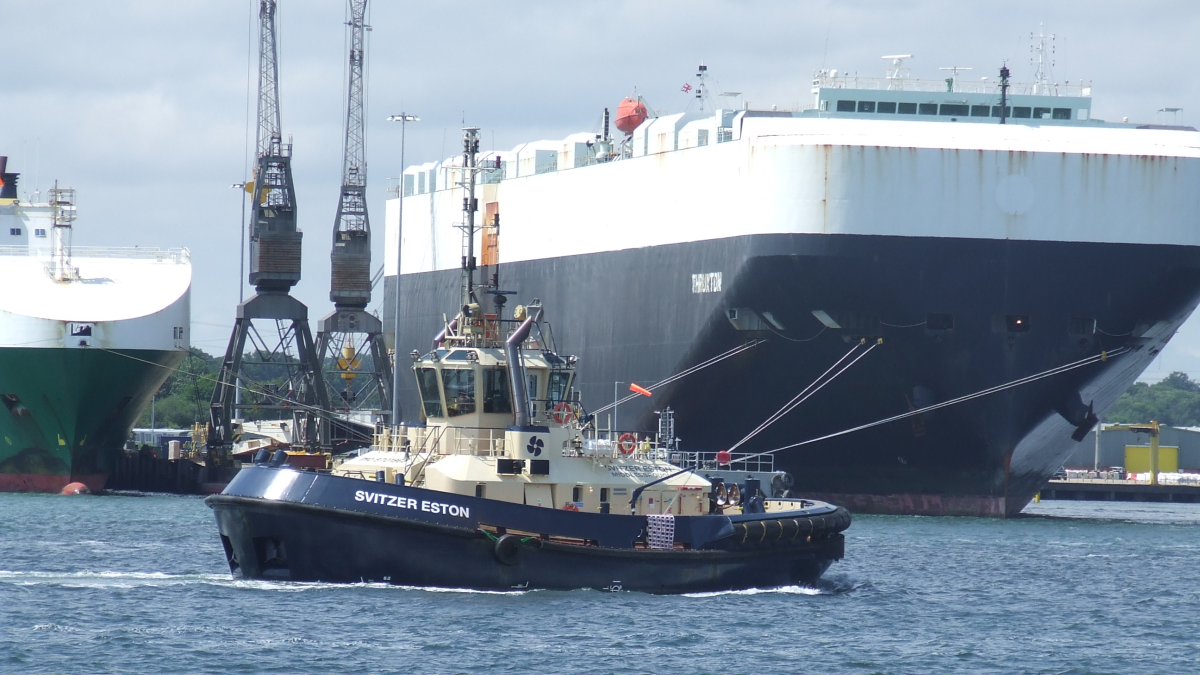
Tugs provide a maritime safety net in European ports
Industry must not overlook the important safety role of tugboats in the bustling world of European shipping where there is growing pressure on reducing emissions while maintaining power and performance


Tugboats are powerful workhorses, providing the backbone of maritime safety across Europe’s ports and waterways.
The importance of towage services and emergency response was highlighted in the European Maritime Safety Agency’s (EMSA) European Maritime Safety Report, published on 8 December 2025.
This report “paints a vivid picture of just how critical tugs and towage services have become” to the maritime sector in Europe, said European Tugowners Association secretary general Anna Maria Darmanin.
Europe’s waters are among the busiest in the world, with more than 800,000 port calls each year across the continent, including from ultra-large container ships, very large crude carriers, large vehicle and gas carriers, and a rising number of passenger ships.
“As ships grow ever larger and port operations become more complex, the risk of incidents such as groundings, collisions or mechanical failure has inevitably risen,” said Ms Darmanin.
“In these moments, tugs are the first line of defence. They guide vessels safely into and out of port, assist with berthing and unberthing, and are often the first responders in emergencies.”
Their role extends far beyond routine operations, and tug owners are facing pressure to reduce emissions in ports, while keeping down service costs.
“As the maritime sector faces new challenges, such as automation, decarbonisation, and increasing traffic, the adaptability and reliability of towage services are more critical than ever.”
Tug owners need to continuously invest in their fleets, onboard equipment, vessel maintenance, and seafarers in a complex industry.
“Investing in modern tug fleets and highly trained crews is not just about efficiency; it is a fundamental pillar of maritime safety and resilience,” said Ms Darmanin.
Tugs are often the first responders in maritime accidents, providing emergency towage, salvage operations and refloating grounded vessels.
“When disaster strikes at sea, it is often the tugboat that answers the call,” said Ms Darmanin. “When a ship loses power or is caught in a storm, it is the tug that stands ready to prevent disaster.”
The EMSA 2025 safety report’s analysis of recent accidents and emergencies underscores the vital role that tugs play in maritime incident response.
“Whether it is a fire on a roro deck, a vessel aground, or a hazardous cargo emergency, tugs are frequently the first on the scene, equipped to provide fire-fighting, salvage, and pollution control,” said Ms Darmanin.
“The complexity of maritime emergencies is increasing. The rise in incidents involving alternative-fuel vehicles and hazardous cargoes means that towage operations are more demanding than ever.”
Ms Darmanin said tugs need to be equipped with advanced fire-fighting systems and their crews trained to handle a wide range of scenarios, from chemical spills to large-scale evacuations.
One striking example from the report is the prevalence of cargo-related fires, often in vehicles, on roro decks. “In such cases, the swift intervention of a well-equipped tug can mean the difference between containment and catastrophe,” she continued.
“As ship sizes and cargo risks grow, the expertise and readiness of tug crews become ever-more critical.”
Ensuring that tugs are adequately equipped and their crews well-trained is not just a matter of compliance; it is a strategic investment in maritime safety and environmental protection.
Crews must be ready to respond to emergencies on vessels powered by alternative fuels, biofuels as well as traditional fuels, and be prepared to act swiftly in high-risk situations.
Riviera’s 28th International Tug & Salvage Convention, Exhibition & Awards will be held in Gothenburg, Sweden, in association with Caterpillar, 19-21 May 2026. Use this link for more details of this industry event and the associated social and networking opportunities.


Related to this Story

Events

Maritime Regulations Webinar Week
16 Dec 2025GMT - ONLINEFloating energy: successfully unlocking stranded gas using FLNGs and FSRUs
24 Feb 2026GMT - ONLINE
© 2024 Riviera Maritime Media Ltd.


