


Business Sectors
Events

Floating energy: successfully unlocking stranded gas using FLNGs and FSRUs
 24 Feb 2026
 GMT - ONLINE
Contents

Register to read more articles.
US-China port fees war eases after trade talks
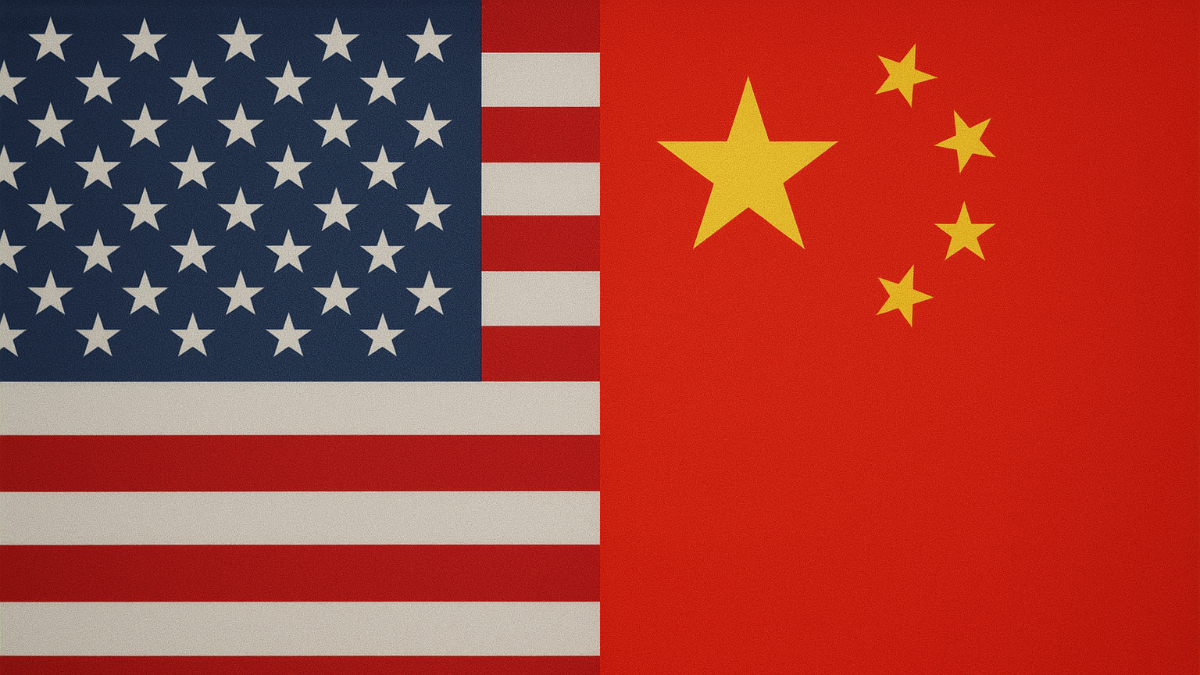
The port fee dispute between the United States and China appears to be coming to an early close, as both countries agreed to mutually suspend their respective measures following a meeting between Donald Trump and Xi Jinping in Busan, and earlier trade discussions in Kuala Lumpur


A spokesperson for China’s Ministry of Commerce told reporters that the United States will suspend for one year the Section 301 investigative measures targeting China’s maritime, logistics and shipbuilding sectors, according to a statement published on the ministry’s official website.
“Following the US suspension of these measures, China will likewise suspend its corresponding countermeasures against the United States for one year,” the ministry added.
US media have also pointed in this direction, citing US Trade Representative Jamieson Greer, who told reporters after the meeting, “We’re going to postpone that while we negotiate with them about the issue.” He also noted efforts to revive US shipbuilding, emphasising co-operation with South Korea.
Tariffs and export controls
The port fee policies are just one component of a broader trade consensus reached between the two countries.
The presidents of the United States and China met in Busan, South Korea, for indepth discussions on bilateral economic and trade relations, agreeing to strengthen co-operation in key areas, the Chinese ministry stated.
On tariffs, the ministry’s spokesperson noted that Washington will remove the additional 10% so-called ’fentanyl tariffs’ imposed on Chinese goods, while the additional 24% reciprocal tariffs on Chinese goods will remain suspended for another year.
Beijing, in turn, will make corresponding adjustments to its countermeasures against the US tariffs. Both sides also agreed to continue extending certain tariff exclusion measures.
The agreement also extends to export controls. According to the ministry, the US will suspend for one year the implementation of its ’50% penetration rule’ for export controls announced on 29 September. China will likewise suspend for one year its related export control measures announced on 9 October, and will continue refining specific implementation plans.
Agricultural trade in focus
The Chinese ministry further highlighted consensus on several issues, including co-operation on fentanyl-related drug control, the expansion of agricultural trade, and the handling of specific corporate cases.
On the agricultural front – closely tied to the bulk carrier market – President Trump noted that Beijing will resume purchases of US soya beans.
Notably, reports this week indicated that a Chinese state-owned entity had begun purchasing three US soya bean cargoes, marking the country’s first acquisitions from this year’s US harvest. China had diversified its sourcing during the height of the trade war, increasing imports from Brazil and Argentina.
Riviera’s International Bulk Shipping Conference will be held in London on 18 November 2025. Use this link for more information and to register for the event.


Related to this Story

Events

Maritime Regulations Webinar Week
16 Dec 2025GMT - ONLINEFloating energy: successfully unlocking stranded gas using FLNGs and FSRUs
24 Feb 2026GMT - ONLINE
© 2024 Riviera Maritime Media Ltd.


