


Business Sectors
Business Sectors
Events
Contents

Register to read more articles.
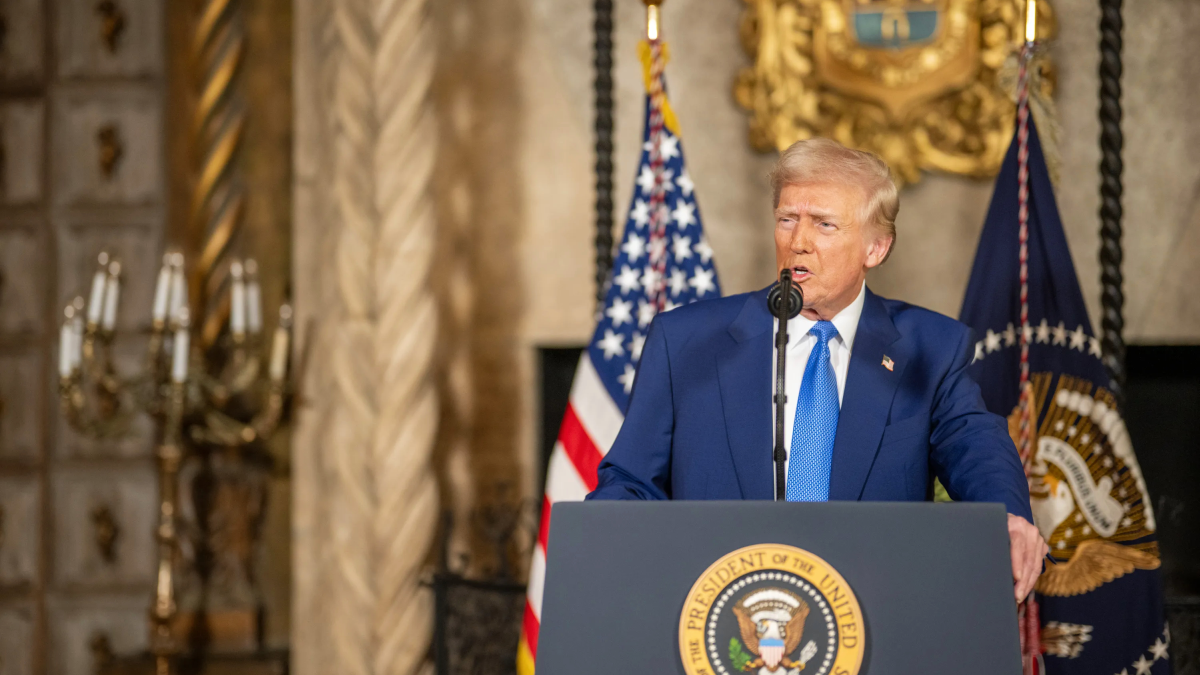
US targets 60 economies with new tariff measures
While disruption in the Middle East continues to dominate shipping headlines, tariff discussions have once again come into focus, with the United States proposing a new series of measures against countries accused of failing to address forced labour concerns


The United States Trade Representative (USTR) on 2 June proposed additional duties of 10-12.5% on imports from 60 economies, including China, India, Russia, Canada, Japan, the UK and the European Union, with certain product exceptions.
The measure targets economies that, according to the USTR, have failed to “impose and effectively enforce a prohibition on the importation of goods produced with forced labour,” thereby “burdening or restricting US commerce.”
“The failure of our most important trading partners to address the importation of goods made with forced labour is unacceptable. This creates a dynamic where American workers are forced to compete globally on an unlevel playing field,” said Ambassador Jamieson Greer.
Economies that have adopted full or partial prohibitions on forced labour-related trade would face a 10% duty rate, while all others would be subject to a 12.5% tariff.
The determination was made under Section 301 of the Trade Act of 1974. The USTR has also prepared supporting reports for each investigation.
Hearings on the proposed measures are scheduled for 7 July, with stakeholder submissions due by 22 June and written comments required by 6 July.
The proposal follows a ruling by the US Supreme Court last February that the International Emergency Economic Powers Act (IEEPA) of 1977 does not authorise the US president to impose tariffs.
The ruling effectively invalidated tariffs imposed by Donald Trump under IEEPA, including the April 2025 “reciprocal” tariff measures.
On the same day, the White House announced the termination of certain tariff actions while simultaneously introducing a 10% ad valorem import duty under Section 122 of the Trade Act of 1974, which allows the president to address “certain fundamental international payment problems through surcharges and other special import restrictions.”
Trading partners react
China’s foreign ministry denied all allegations of forced labour in the country, while the European Union described the tariffs as unjustified and reaffirmed its commitment to the trade agreement signed with the US last year.
A UK government spokesperson told the BBC that the country is taking steps to address forced labour, ensuring UK businesses “are not complicit in forced labour and human rights violations.” The spokesperson also indicated that the UK continues to engage regularly with the US administration.
Meanwhile, Canadian Prime Minister Mark Carney said the new tariffs were “not a surprise” and would not affect the vast majority of Canadian exports to the United States.





Related to this Story

Events

Maritime Regulations Webinar Week
 16 Dec 2025
 GMT - ONLINE

Floating energy: successfully unlocking stranded gas using FLNGs and FSRUs
24 Feb 2026GMT - ONLINE
© 2026 Riviera Maritime Media Ltd.


