


Business Sectors
Events

Floating energy: successfully unlocking stranded gas using FLNGs and FSRUs
 24 Feb 2026
 GMT - ONLINE
Contents
Register to read more articles.

What did we learn from LNG2026?
LNG2026 in Doha focused on AI-linked power demand, market volatility, Europe’s outlook, and constraints set by infrastructure and regulation


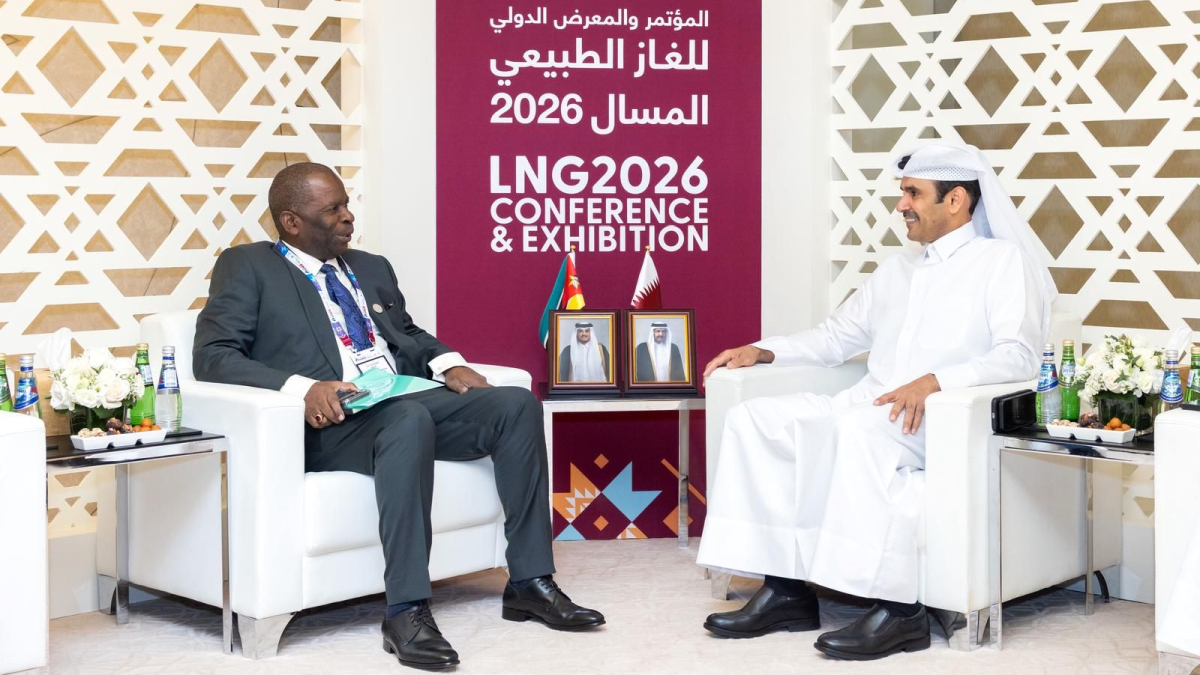
LNG2026 in Doha brought together producers, buyers and service providers at a point when LNG market narratives are being pulled in different directions. Discussions ranged from the pace of power-demand growth linked to AI and data centres, to how buyers are managing exposure to volatility, and what physical and regulatory constraints mean for supply and demand timing. The main takeaways from the event were:
1) AI and data centres are now central to demand debates
AI and data centres sat at the heart of the debate, both in terms of energy demand and power procurement cycles. Panellists in the ‘Powering AI’ session said the surge in electricity demand from data centres and AI workloads is accelerating an existing trend, with concentrated load growth landing on grids not designed to scale at this pace.
Environmental Defense Fund senior vice president for energy transition Mark Brownstein said that, “almost out of nowhere”, data centre build-outs are colliding with long-planned electrification. He said gas was re-entering the picture as a response to the limits of renewables-only pathways for round-the-clock demand. He warned that LNG’s footprint would matter as much as its availability, linking credibility to methane management and lifecycle emissions.
2) Physical constraints may dictate how fast demand materialises
The conference also focused on the importance of physical constraints. In the AI discussion, speakers pointed to grid-connection delays stretching to seven years in parts of the US, long lead times for gas turbines, and equipment bottlenecks outside the LNG industry’s direct control. The same session described a shift towards “behind-the-meter” generation as developers bypass traditional grids, changing how incremental gas demand might materialise and how quickly.
3) Buyers are resisting an all-spot approach
Discussions returned repeatedly to uncertainty and volatility, particularly for buyers deciding how much exposure to leave to spot markets. In a session on buyer strategies, panellists said markets can turn quickly through project delays, outages and extreme weather, and argued against over-correcting after a period of low prices. One panellist cautioned buyers to prepare for surprises and avoid going 100% spot.
4) Europe’s outlook hinges on geopolitics and Asia’s pull
For Europe, the takeaway was not a single outlook but a set of variables continuing to drive outcomes, including geopolitics, Asian demand and the policy conditions attached to new supply options. Wood Mackenzie head of gas and LNG research Massimo Marzec-Manser said: “The Ukraine dynamic is probably the biggest uncertainty”. He added that a peace deal would have a bearish impact on prices in its own right, even if it does not change Europe’s willingness to buy Russian gas. He also said: “What happens in Asia, particularly China, has a huge impact on how much LNG ultimately ends up in Europe.”
5) Methane performance is being discussed as a market access issue
Delegates also linked methane management and environmental performance to commercial outcomes, including the ability to maintain credibility with stakeholders and regulators. In the ‘Powering AI’ discussion, speakers argued that LNG’s footprint would matter alongside supply availability, tying this to methane management and lifecycle emissions.
A related thread across sessions was that LNG uptake depends on policy and market design, not only on supply availability. Delegates were reminded that LNG adoption rates are driven by co-ordinated frameworks that balance supply security, affordability and fiscal discipline. In the absence of such frameworks, uptake can suffer.
Taken together, LNG2026 suggested that the next phase of LNG will be tested by execution under constraint. Discussions repeatedly returned to power-system readiness, contract structures that buyers can live with through price cycles, and whether methane credibility can keep pace with demand growth narratives now being shaped by AI-linked power needs.
Sign up for Riviera’s November 2026 LNG Shipping & Terminals Conference:
- Register to attend here: The LNG Shipping & Terminals Conference.
- To take part in the Conference or webinars, please contact Ian Pow: ian.pow@rivieramm.com
- View the latest issue here: LNG Shipping & Terminals.


Related to this Story


Events

Maritime Regulations Webinar Week
16 Dec 2025GMT - ONLINEFloating energy: successfully unlocking stranded gas using FLNGs and FSRUs
24 Feb 2026GMT - ONLINE
© 2024 Riviera Maritime Media Ltd.


