


Business Sectors
Business Sectors
Events
Contents
2026 in marine environmental protection: rules tighten to reduce ship discharges post-2026
IMO guidelines and regional rules on biofouling, noise, ballast water and waste streams will shape shipboard environmental compliance from 2026 onwards


Environmental protection around ships is moving into a new phase in which ballast water, hull condition, underwater-radiated noise, plastics, oily residues and wastewater are treated as a linked compliance burden rather than separate technical issues.
Recent IMO decisions and regional rules already adopted will frame the work of shipowners and operators through 2026 and beyond.
For ballast water and associated grey and blackwater streams, the focus is on how systems behave in real conditions rather than on paper type-approval.
"Mandatory hull fouling control requirements for all vessels over 24 m"
At its 81st session in March 2024, the IMO Marine Environment Protection Committee (MEPC) adopted Resolution MEPC.387(81) with interim guidance for ships operating in challenging water quality and Circular BWM.2/Circ.82 with guidance on the temporary storage of treated sewage and grey water in ballast water tanks.
As DNV noted, the purpose of this guidance is to assist ships to comply with the BWM Convention and the D-2 discharge standard when a type-approved ballast water management system (BWMS) encounters operational limitations or has difficulty meeting operational demand in challenging water quality conditions.
Vessels should include procedures for managing such conditions in their approved ballast water management plans, tailored to the system’s limitations and the vessel’s trading pattern.
For owners, this means ballast water planning is moving beyond installation projects into ship-specific operational doctrines that also touch sewage and greywater handling, particularly where treated effluents are routed through ballast tanks under defined conditions.
As more administrations and recognised organisations incorporate this guidance into their survey and plan-approval routines during 2026, operators can expect closer scrutiny of how crews document, decide and record contingency actions when BWMS performance is constrained by local water quality.
Biofouling and coatings are on a similar journey from voluntary guidance toward hard-edged regional rules.
The United Kingdom Maritime and Coastguard Agency, in its MIN 706 notice, reminded industry, “The guidelines were adopted by the Marine Environment Protection Committee at its 80th session and replace the 2011 Biofouling Guidelines”, referring to the 2023 IMO Biofouling Guidelines in resolution MEPC.378(80).
These guidelines set out expectations for biofouling management plans and record books, as well as inspection and cleaning regimes, but remain formally non-mandatory at global level.
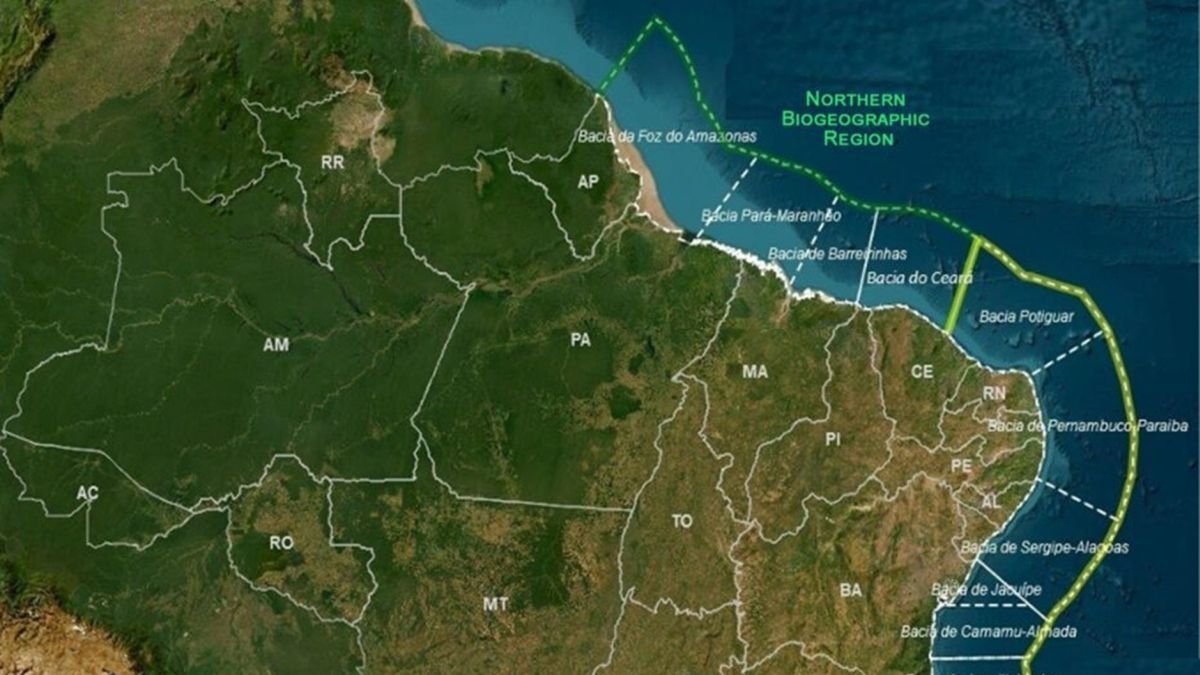
Brazil is now treating those concepts as a regulatory baseline, and as Inchcape Shipping Services has reported, the Brazilian navy has revised NORMAM-401 to introduce mandatory hull fouling control requirements for all vessels over 24 m operating in Brazilian jurisdictional waters or moving between the country’s three marine biogeographic zones.
West of England P&I summarised the changes and noted all ships must maintain a Biofouling Management Plan and Biofouling Record Book and that vessels trading between Brazilian regions must maintain a fouling rating of 1 or lower, meaning no fouling or only microfouling.
Ships with higher ratings must clean before transit, using inwater methods that capture residues and avoid sensitive areas unless expressly authorised by the environmental authority.
While the permit regime took effect on 17 June 2025, West of England stated, “Full enforcement with penalties is set to take effect on 1 February 2026.”
This Brazilian timeline is likely to be watched by other coastal states concerned about invasive species and hull-derived waste.
It also intersects with IMO’s work on microplastics – the IMO marine litter portal highlights a study on Hull scrapings and marine coatings as a source of microplastics, published under the GESAMP framework.
As that science feeds back into policy discussions, the combined effect of biofouling rules and coatings research points towards tighter expectations on where, how and under what capture conditions hulls may be cleaned.
Underwater radiated noise (URN) is still governed by soft law, but the framework around it has become more structured and time-bound.
"These strands point towards a hardening of the maritime environmental protection agenda"
Hong Kong’s Marine Department issued an information note in May 2025 explaining MEPC’s 82nd session approved revised guidelines for the reduction of underwater-radiated noise from shipping, disseminated as MEPC.1/Circ.906/Rev.1, which took effect on 1 December 2024.
The note explained the revised guidelines describe URN reduction management planning as a tool that can be applied to operation, design, construction and modification of ships as far as is reasonable and practicable.
Flag and coastal states are beginning to echo that message.
The Australian Maritime Safety Authority drew attention to the revised guidelines in Marine Notice 01/2024 and pointed out that MEPC had approved amendments to include a URN management planning reference chart to support planning.
BIMCO’s policy position underlined that URN is not yet covered by binding IMO regulations but confirmed, “The revised IMO guidelines on the reduction of underwater-radiated noise from commercial shipping” were adopted and shipowners and designers are encouraged to plan URN management at early design stages and, where reasonable, for existing ships.
The medium-term horizon is defined by an experience-building phase, and the International Marine Contractors Association reported the IMO Sub-Committee on Ship Design and Construction agreed “the work in this area will now be entitled ‘Experience Building Phase for the Reduction of Underwater Radiated Noise’” with a target completion year of 2026.
The outcome of that programme will shape any future move from voluntary guidance to requirements, including the question of whether design limits or area-based operational measures, such as speed management in sensitive regions, become part of routine compliance.
Marine plastic litter sits at the junction of garbage rules, port reception facility adequacy and container loss reporting, but is becoming more effective, with amendments adopted at MSC 108 in 2024 which modify SOLAS chapter V and Marpol Protocol I.
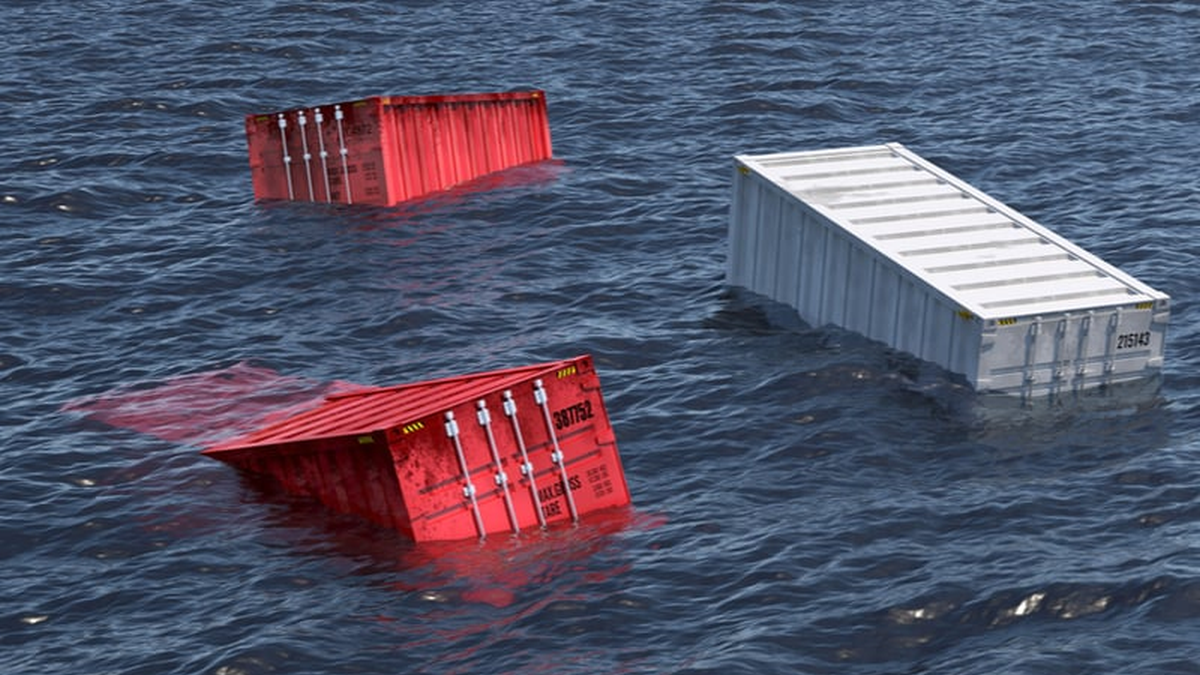
Amendments to SOLAS Chapter V and Marpol Protocol I (effective 1 January 2026) require ships to immediately report lost or drifting containers to nearby vessels, the nearest coastal state, and the flag state.
That data will be routed via GISIS and is intended to improve situational awareness and support follow-up action when units go overboard.
For shipowners, the combination of mandatory reporting and capacity-building projects suggests that loss of containers and waste handling will be judged less as isolated mishaps and more as systemic risk, where record-keeping, procedures and port interfaces are examined together.
Oily waste and wastewater management remain under the established Marpol framework, but the tone of guidance is shifting towards integrated treatment of liquid discharges.
Coatings link several of these themes – they are central to biofouling control, they are a potential source of microplastics through hull scrapings, and they can influence URN through surface condition and flow characteristics.
The IMO-linked GESAMP study on hull scrapings and marine coatings as a source of microplastics confirms coating systems and maintenance practices contribute to plastic particles in the marine environment.
As more evidence accumulates, regulators may draw closer connections between biofouling management plans, approved coating schemes and controls on when and how coatings may be removed or repaired in water.
These strands point towards a hardening of the maritime environmental protection agenda, which is no longer confined to greenhouse gases: it extends across ballast uptake and discharge, hull condition, underwater noise, plastics pathways, oily residues and wastewater, with IMO guidelines providing a common reference and regional authorities, such as Brazil, testing more prescriptive approaches.
2026 regulatory milestones
1 January 2026 – Global – Amendments to SOLAS chapter V and Marpol Protocol I enter into force, requiring ships to report lost or drifting containers without delay to nearby vessels, the nearest coastal state and the flag state, with information forwarded to IMO via GISIS.
1 February 2026 – Brazil – Full enforcement with penalties of the revised NORMAM-401 hull fouling regime for ships over 24 m operating in Brazilian jurisdictional waters, including the requirement to carry a Biofouling Management Plan and Biofouling Record Book and to maintain a fouling rating of 1 or lower when transiting between Brazilian marine biogeographic regions, unless cleaned under approved conditions.
By end 2026 – Global – Planned completion by the IMO Sub-Committee on Ship Design and Construction of the Experience Building Phase for the Reduction of Underwater Radiated Noise, providing practical feedback to MEPC on the application of the revised underwater-radiated noise guidelines.
Sign up for Riviera’s series of technical and operational webinars and conferences:
- Register to attend by visiting our events page.
- Watch recordings from all of our webinars in the webinar library.
- To take part in the webinars, contact brand manager Rob Gore (Rob.Gore@rivieramm.com)
Related to this Story
Events

© 2026 Riviera Maritime Media Ltd.


