


Business Sectors
Business Sectors
Events
Contents

Register to read more articles.

Seafarers: vulnerable and in the crosshairs
With 1,100 ships trapped by the closure of the Strait of Hormuz, the global shipping community should not forget the human face in all that - seafarers


Globalisation has connected us all. Anyone who works in international shipping understands that 90% of everything consumers use – from the smartphones in their hands to the food in their fridges to the petrol in their cars – arrives by sea. The global economy hums along because of commercial shipping.
Yet the 1.8M seafarers who deliver these goods remain largely invisible to the public, toiling in conditions that can be dangerous and, as we have seen during the Middle East crisis, sometimes deadly. Commercial ships have become regular targets of drone and missile attacks in the region, first in the Red Sea and now in the Strait of Hormuz, as terrorists and bad actors try to choke off world trade. While consumers might ‘suffer’ the inconvenience of higher prices at the petrol pump, seafarers face a growing, often unappreciated crisis of safety, prolonged isolation, and exploitation.
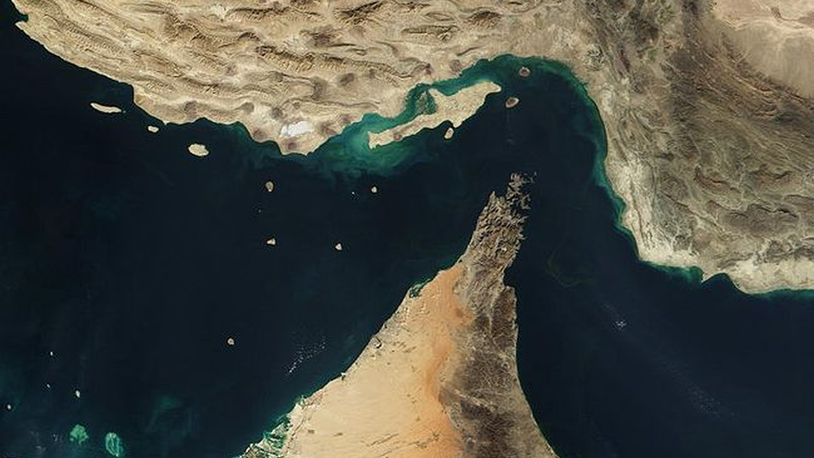
While statements by 90 countries in mid-March condemned the threats and attacks on shipping in the Persian Gulf, 1,100 commercial ships and 20,000 seafarers remain trapped behind the Strait of Hormuz. The global community needs to back a draft proposal submitted to IMO to create a safe corridor to evacuate seafarers. Additionally, GPS jamming and spoofing remain constant threats to the safety of navigation in the region.
Commercial shipping, energy, and critical infrastructure are coming under increasing attack.
Shipping executives at CMA Shipping 2026 condemned the attacks and voiced their concerns for the safety and well-being of mariners, who remain vulnerable in the Middle East conflict.
“We should not forget the human face in all of that,” emphasised Reverend Mark Nestlehutt, president and executive director of the Seamen’s Church Institute (SCI).
“They didn’t sign up for that,” commented Bud Darr, president and CEO of Cruise Lines International Association (CLIA). “It’s significant every time that an innocent seafarer loses their life.”
Beyond geopolitically driven incidents, we hear stories of crews abandoned on ships by unscrupulous shipowners without pay, electricity, or enough food, turning them into lost souls of the sea, sometimes for months at a time. During 2024, abandonment reached record levels, with 3,133 seafarers abandoned on 312 vessels – an increase of 87% from the previous year, according to the Seafarers International Union. Preliminary numbers compiled for 2025 do not look any better.
“It’s significant every time that an innocent seafarer loses their life”
International Chamber of Shipping secretary general, Thomas A. Kazakos, said it was not just about numbers; even one seafarer under threat, facing criminalisation or abandonment, was unacceptable. “The most important assets for us are our seafarers. And we take this responsibility very seriously, not only on the regulatory side, but by changing the conventions to make their working and living conditions better,” he said.
Seafaring is frequently cited as one of the world’s most dangerous professions, and for good reason. Despite advancements in technology, the ocean remains an unforgiving workplace: crews face physical and operational hazards from engineroom fires and explosions, hazardous cargoes, falls from height, loss of propulsion, and severe weather conditions. New alternative fuels and technologies will increase risk.
Furthermore, the mental toll is staggering. Seafarers often sign nine‑month contracts, missing births, weddings, and funerals. This isolation is compounded by the loss of shore leave – a traditional, necessary reprieve that has declined significantly, often leaving crews trapped on board with no way to decompress.
Seafarers need to be treated as more than just a line item in a budget. They should be safe from attack, receive fair wages, have shore leave, and be protected against abandonment. It is not just a regulatory issue – it is a moral imperative. Without them, the global economy would grind to a halt.
Related to this Story
Events

© 2026 Riviera Maritime Media Ltd.


