


Business Sectors
Business Sectors
Events
Contents
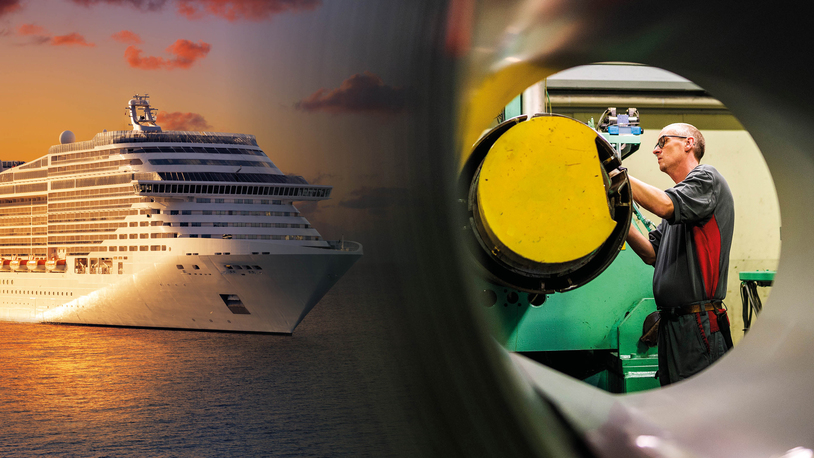
Fuelling the future: Fincantieri’s F300 system
Much like energy storage solutions, hydrogen polymer electrolyte membrane (PEM) fuel cells are benefiting from the adoption of containerised technology, increasingly chosen for its efficiency and flexibility


The advantage lies not only in the plug-and-play simplicity but also in a host of engineering and operational benefits. Fincantieri’s F300 system takes this approach to the next level: it is the most powerful containerised PEM system currently available for maritime applications. The major competitive advantage lies in having a portable solution and avoiding the need to perform a series of onboard production activities that require specific manoeuvring spaces, such as the installation of double-walled hydrogen piping.
The F300 system boasts a net power output of 3 MW housed within a 40-ft container. Inside, there are 14 high-efficiency fuel cell modules, perfectly integrated to ensure high power density. The system achieves an efficiency of 45% at full power and up to 57% at partial load. Emissions are zero, with only water vapour and air being expelled. The compact footprint measures 3,000 mm in width, 12,800 mm in depth, and 2,550 mm in height. This compact and efficient design is further enhanced by the system’s modularity.
The F300 system is designed with modularity in mind, featuring an architecture that includes two independent submodules within the same container. This design allows for flexible operation: one module can be activated during startup or maintenance, or both can be used to harness the full available power. The modularity also simplifies maintenance, as each part is easily accessible and replaceable without needing to shut down the entire system. This modular approach enables intelligent load management, which, when used in tandem with a remote predictive maintenance system, extends the system’s useful life as much as possible. Furthermore, the F300 was designed from the outset to be scalable. Increasing power output merely involves adding more stacks within the container.
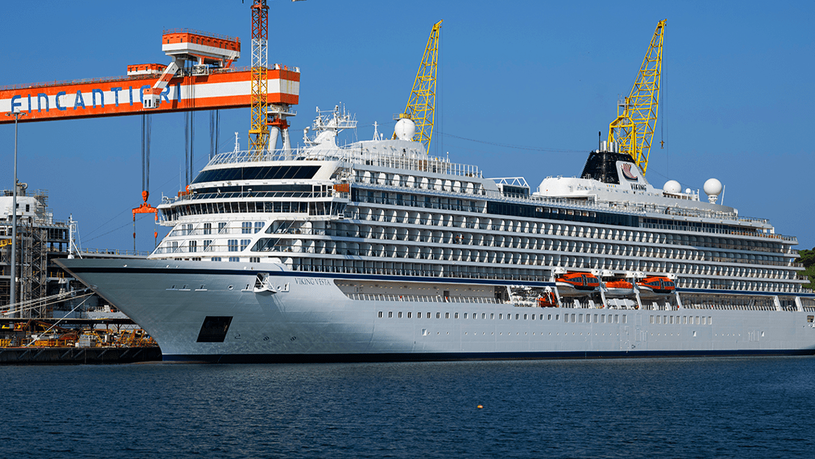
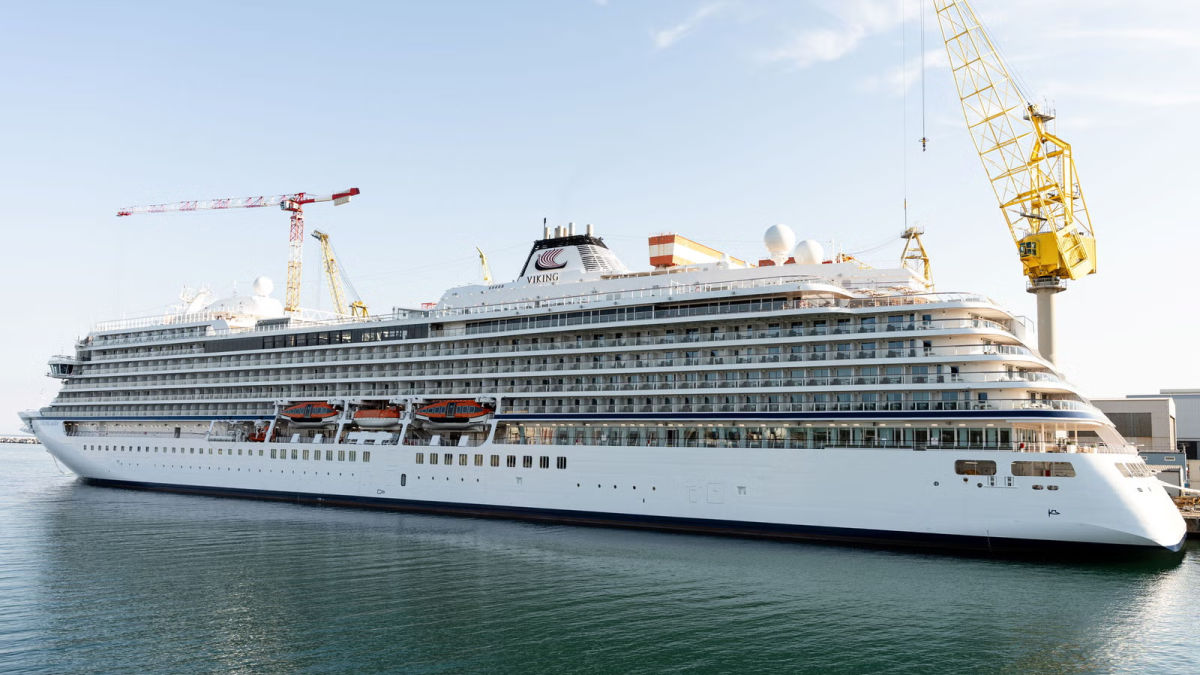
A concrete example of this is Viking Libra, where two F300 systems will be installed on board, providing a total power output of 6 MW. This makes the F300 solution perfect for expanding projects without the need for structural or plant redesign. Viking Libra is the world’s first cruise ship powered by onboard stored hydrogen, used for both propulsion and electrical power generation. The vessel is under construction at the Fincantieri shipyard in Ancona, with delivery scheduled for the end of 2026. The ship will be able to navigate and operate with zero emissions, allowing it to access even the most environmentally sensitive areas.
In addition to its environmental benefits, the F300 system offers shipowners tangible operational advantages: quick installation, retrofit compatibility without major structural changes, and access to zero-emission destinations. These features make it a flexible and future-ready solution for both newbuilds and existing fleets. The growing interest from the cruise market in hydrogen-based solutions further highlights the strategic potential of this technology.
The upcoming deployment on Viking Libra marks a milestone in the journey towards zero-emission cruise operations, showcasing the potential of hydrogen as a sustainable energy source for the future.
The upcoming deployment of two F300 systems on a Viking Cruises’ newbuild ship highlights how this solution is perfect for expanding projects without the need for structural or plant redesign
Related to this Story


Events

© 2026 Riviera Maritime Media Ltd.


