


Business Sectors
Business Sectors
Events
Contents
Register to read more articles.
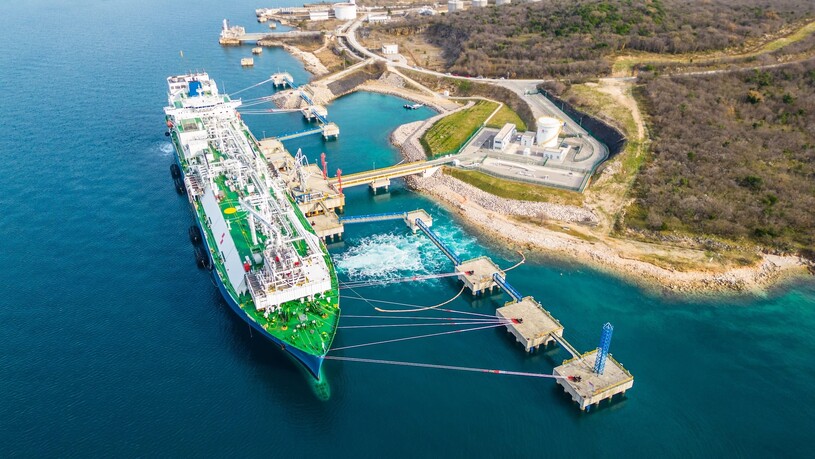
Consolidation reshapes small-scale LNG in 2025
Deals in Europe and the US, plus new bunker tonnage and bioLNG contracts, altered the shape of small-scale LNG in 2025


In 2025, small-scale LNG business shifted on several fronts, as ownership structures changed, new bunker tonnage entered construction and ferry operators moved towards bioLNG.
On the European bunkering side, Molgas Energy Group completed the full acquisition of the parent company of Titan Clean Fuels, bringing Titan Clean Fuels’ marine LNG bunkering into a single downstream LNG and bioLNG business. The combined platform brings together ship-to-ship and truck-to-ship supply in Norway and continental Europe.
Post-integration, Molgas reported a fleet of seven LNG bunker vessels and more than 70 owned road-fuelling stations, supported by over 200 points of sale, presented as a pan-European offer to industrial, road transport and marine customers. Molgas chief executive Sofoklis Papanikolaou said earlier collaboration with Titan had laid the groundwork for the transaction, and described Titan as a pioneer in LNG bunkering.
Ownership changes around Avenir LNG framed another strand of consolidation after Stolt-Nielsen Gas agreed to acquire the shares in Avenir LNG held by another founding shareholder for approximately US$40M, with completion expected in Q1 2025, while the seller retained its interest in an LNG storage terminal through a separate vehicle.
Stolt-Nielsen Gas later initiated a compulsory share acquisition for the remaining 5% stake in Avenir LNG and said its more than 95% holding allowed it to proceed with this action and issue notice to minority shareholders. The fleet underpinning that strategy continued to grow: in July 2025, it was reported that construction had started in China on a fifth 20,000-m³ LNG bunker vessel for Avenir LNG, the first ship in a second two-vessel order from the same yard.
Avenir LNG said the vessel is destined for a seven-year charter with a European energy trading company, with optional extensions, and listed delivery in 2026, while the sixth vessel in the series is scheduled for 2027.
Change was not confined to Europe, and in the United States, United Energy LNG and Power LNG announced a merger to create a new small-scale LNG company headquartered in Houston and focused on modular production and logistics. The combined platform was described by the companies as a “scalable platform” aimed at small and mid-size demand, with initial deployment planned along the US Gulf Coast and each module sized at about 0.02M tonnes per year.
Power LNG chief executive officer Austin Terry said the merged firm would provide “flexible LNG solutions tailored for underserved and emerging markets”, while United Energy LNG managing partner Scott Poulter said the joint platform would offer a competitive pathway for small-scale LNG production in the US through localised, distributed liquefaction.
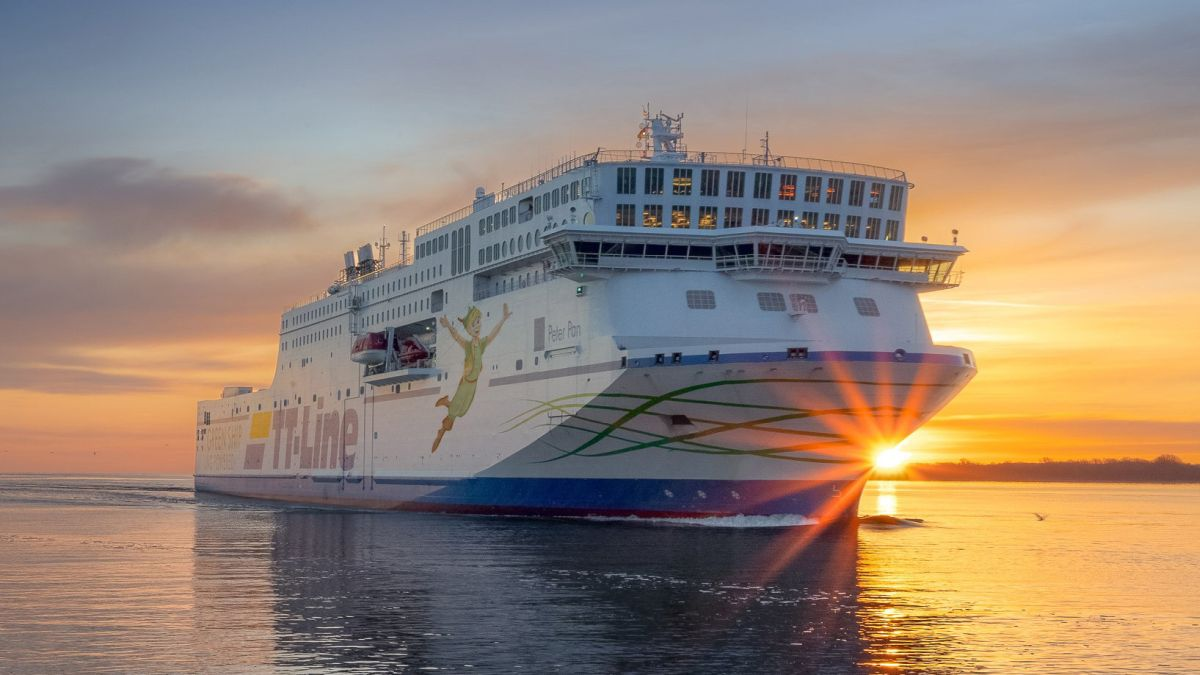
BioLNG came to the fore in 2025, with reports that ferry operators in northern Europe had moved from pilot bunkerings to multi-year bioLNG supply contracts, with some ropax vessels now operating solely on liquefied biomethane under pooling arrangements linked to FuelEU Maritime.
Taken together, consolidation around Avenir LNG, the Molgas transaction, the US merger and the build-out of bunkering and bioLNG operations show how small-scale LNG in 2025 is maturing as a sector, and moving towards more structured ownership and closer ties to regional energy security debates.
Sign up for Riviera’s series of technical and operational webinars and conferences:
- Register to attend by visiting our events page.
- Watch recordings from all of our webinars in the webinar library.


Related to this Story

Events

Maritime Regulations Webinar Week
 16 Dec 2025
 GMT - ONLINE
Floating energy: successfully unlocking stranded gas using FLNGs and FSRUs
24 Feb 2026GMT - ONLINE
© 2026 Riviera Maritime Media Ltd.


