


Business Sectors
Events
Contents

Register to read more articles.
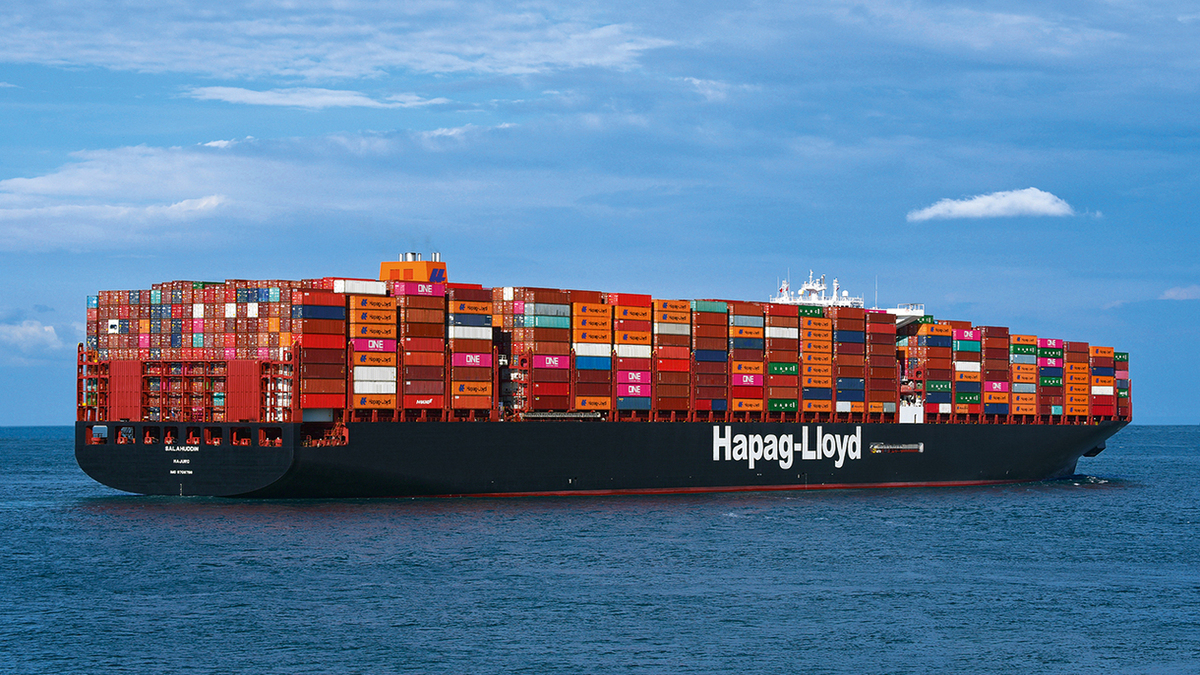
European Commission to drop antitrust exemption for cargo shipping
Container shipping is set to lose its long exemption from EU antitrust rules from next year


Cargo shipping has obtained concessions from European antitrust rules through different regulations for decades.
But authorities are also concerned about inordinate levels of profit. Freight rates rose to record highs at the height of the Covid-19 pandemic, compounded by severe port congestion and delays in importing and exporting goods. However, the top container shipping firms posted record profits – Maersk’s profits in 2021, for instance, showed revenue was up 55% to US$61.8Bn.
Since 2009, the Consortia Block Exemption Regulation (CBER) has insulated container shipping from certain antitrust provisions, allowing operators with a combined market share below 30% to team up to provide joint cargo transport services as long as they do not fix prices or share markets between themselves.
The CBER was extended for five-year periods in 2014 and 2020 and will lapse on 25 April 2024.
A review process launched by the EU Commission in August 2022, aimed at gathering evidence on the functioning of the CBER since 2020, has now deemed “that a dedicated block exemption regulation is no longer fit for purpose.” The Commission reviewed submissions from several stakeholders and has concluded that the CBER allowed only for “low or limited effectiveness and efficiency” in the period spanning 2020-2023.
In light of that, the EU Commission will let the CBER lapse. Once subject to antitrust rules, Consortia will not be banned but operators will now have to review the legitimacy of their co-operation agreements, which can now be broken up and fined by the relevant authorities.
The largest container shipping lines have formed three separate alliances over the past decade, allowing them to pool resources and corner an enormous share of the market, not just in the EU, with the US’ Federal Maritime Commission (FMC) also allowing container shipping a wide berth in relation to antitrust laws.
Antitrust rules in the European Union generally ban agreements between companies that restrict competition. However, a block exemption for a business sector allows certain organisations leeway in activities that might otherwise be subject to antitrust laws.
Lines allege the block exemptions are a necessity owing to the significant levels of investment needed for shipping and the sector’s notorious volatility. Consortia allow the industry to mitigate extensive costs in bad years by setting a floor on costs, and can lead to economies of scale, making the business more efficient and in turn allowing the end user to benefit from lower costs.
The industry has differing opinions: The World Shipping Council said it disagrees with the logic behind the recommendation to discontinue the CBER. President John Butler said the shift to general EU antitrust rules “will create a period of uncertainty as carriers adjust to the new legal structure.”
“Nevertheless, vessel sharing agreements will remain a fully legal and supported way for carriers to ensure efficient and sustainable transport for Europe.”
EU concerns run to parallel to similar ones in the United States where a proposed legislation, the US Ocean Shipping Antitrust Enforcement Act, is also seeking to repeal antitrust exemptions for carriers.
Sign up for Riviera’s series of technical and operational webinars and conferences in 2023:
- Register to attend by visiting our events page.
- Watch recordings from all of our webinars in the webinar library.


Related to this Story



Events

Maritime Regulations Webinar Week
 16 Dec 2025
 GMT - ONLINE
Floating energy: successfully unlocking stranded gas using FLNGs and FSRUs
24 Feb 2026GMT - ONLINE
© 2024 Riviera Maritime Media Ltd.


