


Business Sectors
Business Sectors
Events
Contents

Decommissioning boost for subsea vessel market
Removing redundant subsea infrastructure will provide new opportunities for vessel operators and offshore engineering contractors


Demand for subsea support vessels will increasingly be driven by seabed infrastructure decommissioning.
As more offshore production assets reach the end of their operating life, they will need to be removed from the subsea environment using vessels and remotely operated technologies.
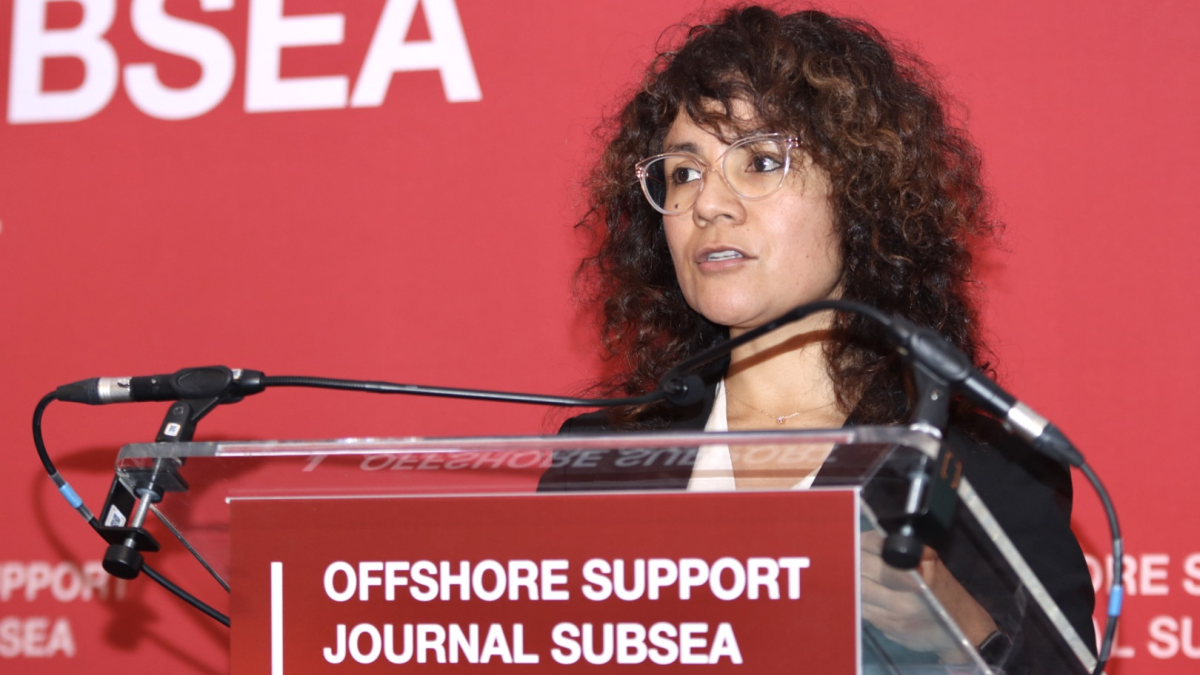
According to Boston Consulting Group partner and associate director Martha Vasquez, the global decommissioning market is valued at US$7.0Bn and is expected to grow by 20% in the next decade.
The UK sector is the biggest decommissioning market in the medium term due to the age of production infrastructure in the North Sea, with around US$3.0Bn spent each year. It far outpaces other nations for spending, but others are catching up, with decommissioning expenditure in Brazil estimated to be US$1.5Bn, and US$1.0Bn in Australia. The rest is split between the US Gulf, Africa and Asia.
Risks to the market include energy companies extending the production life of assets, changing national and international policies, and contracting requirements.
"Risks of policy shifts towards a clean seabed create potential incremental spending," said Ms Vasquez. "Disposals by oil majors of assets in late-life production means more are owned by smaller players that are less experienced in operations and decommissioning. So what will happen to these obligations?"
S&P Global Energy principal analyst for diving support and subsea construction support vessels, Ross Macdonald, explained to Riviera in a video interview how decommissioning markets would be beneficial to demand for these vessels.
He said divers from dive support vessels (DSVs) can work in water depths down to 250 m, which is ideal for decommissioning subsea work in the UK sector, where most assets are within these depths.
Other markets for DSVs are in India, Mexico, the US Gulf, and the Middle East. National oil companies such as Pemex, ONGC and Saudi Aramco dominate demand for these vessels.
Utilisation rates for vessels supporting diving operations are around 60% and are expected to rise modestly throughout this decade, strengthened by demand for repair, maintenance and decommissioning requirements and the need for connecting subsea tie-backs, said Mr Macdonald.
Energy Maritime Associates executive director Michael Watson said subsea construction and decommissioning projects will also push demand for offshore construction vessels.
He said major engineering contractors have "record order backlogs" with large amounts of this work involving installing subsea infrastructure in Latin America and West Africa.
Other opportunities for subsea tie-back projects are in Australia, the Asia-Pacific and the US Gulf, while the market for these vessels in northern Europe is affected by the growing construction of offshore windfarms.
"The North Sea market is in stagnation, but the rest of the market is strong," said Mr Watson. "The market is in good shape for the next five years, and few newbuilds are coming, so they should not impact utilisation."
Martha Vasquez, Ross Macdonald and Michael Watson were speaking at Riviera’s Offshore Support Journal Subsea Conference 2026 in London, UK, 2 February 2026.


Related to this Story
Events

Maritime Regulations Webinar Week
 16 Dec 2025
 GMT - ONLINE
Floating energy: successfully unlocking stranded gas using FLNGs and FSRUs
24 Feb 2026GMT - ONLINE
© 2026 Riviera Maritime Media Ltd.


