


Business Sectors
Events

Floating energy: successfully unlocking stranded gas using FLNGs and FSRUs
 24 Feb 2026
 GMT - ONLINE
Contents
Register to read more articles.
Validate power networks to prevent new tech causing power blackouts
Technology issues are increasing with resulting injuries, damage and positioning losses


Complex power systems on ships, including battery packages, are causing more energy blackouts, while geopolitics is causing ship navigation systems to be jammed and spoofed.
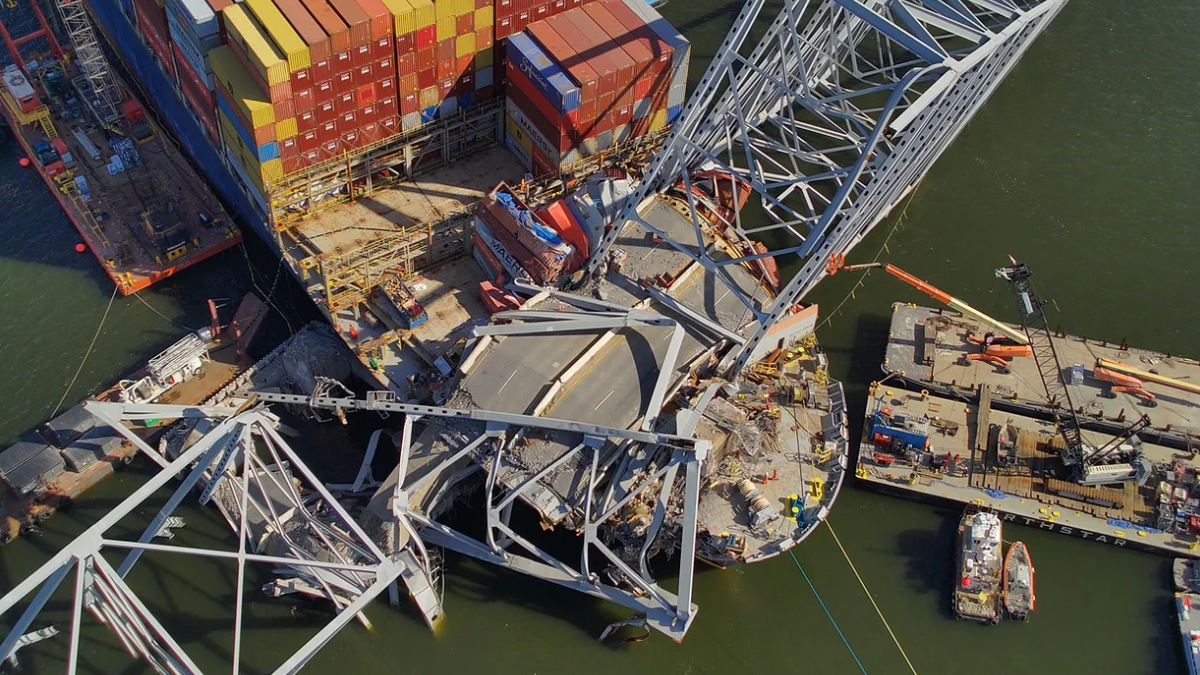
In an extreme case, a key highway bridge was destroyed in Baltimore, USA in 2024 by ship Dali, when power losses caused the container carrier to lose propulsion and crash into the bridge with loss of six people.
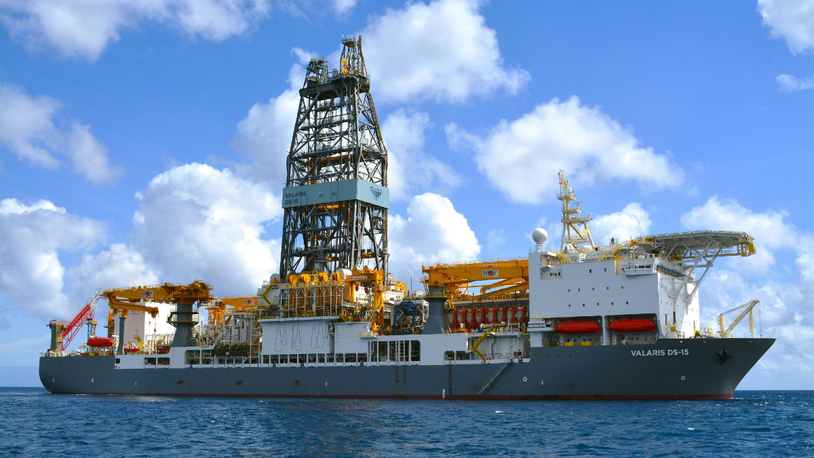
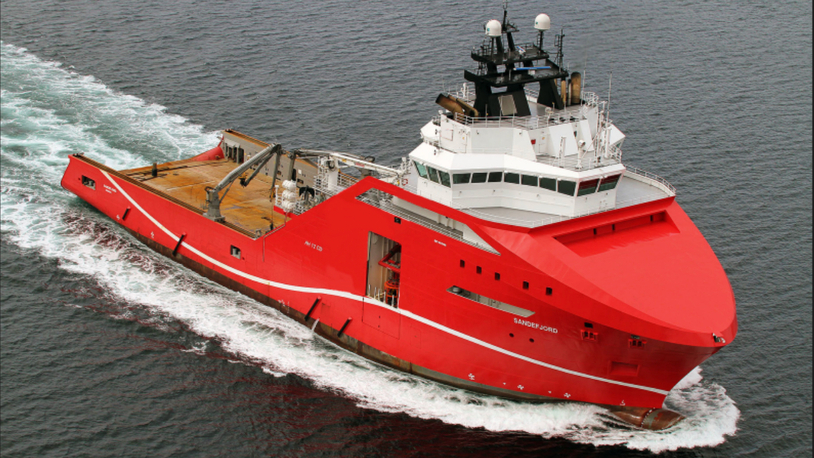
Another reported accident involved a platform supply vessel striking the Statfjord A oil production platform in the Norwegian sector of the North Sea in 2019. In 2021, a blackout on a drillship caused a loss of position for 90 minutes, leaving the ship drifting, damaging a riser package and activating blowout prevention.
In the past 18 months, OneStep Power has been called out to respond to power incidents on offshore support vessels, container ships, mobile drilling units, tankers, pipelay ships and accommodation vessels.
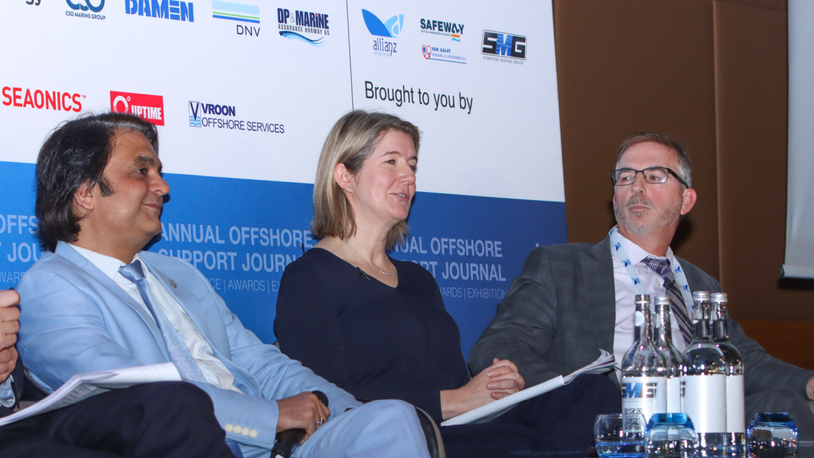
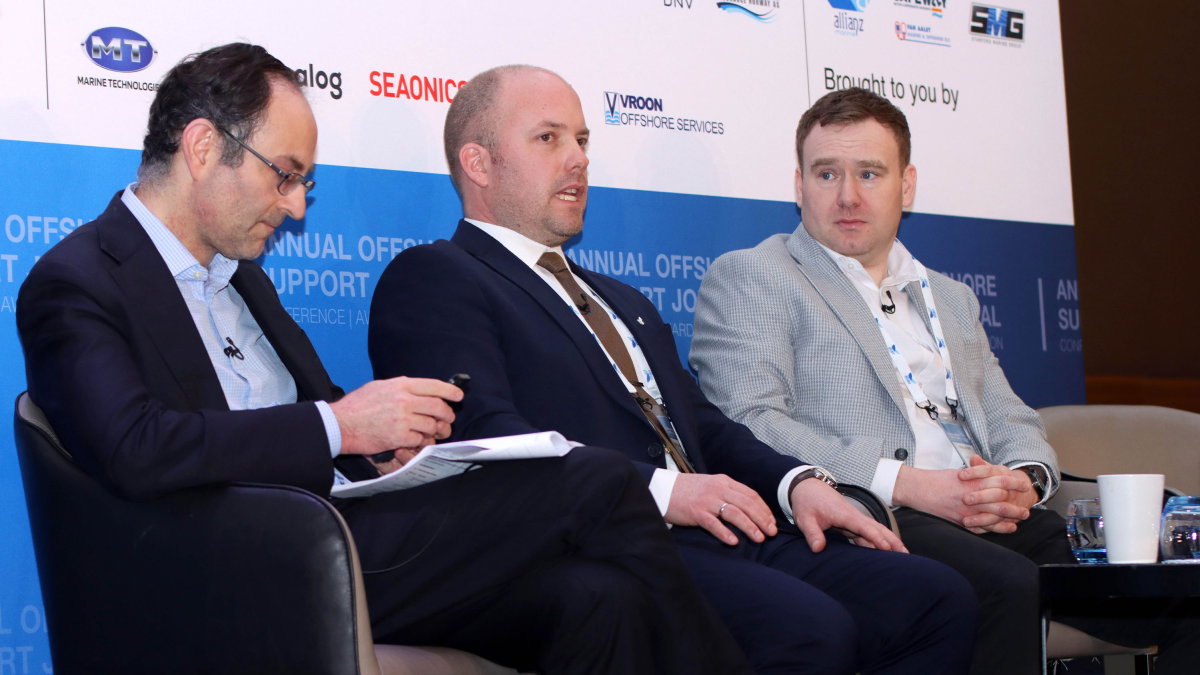
OneStep Power founding president Mark Craig said more power outages and blackouts are occurring due to batteries and dual-fuel engines being installed on vessels. He was speaking at Riviera’s Annual Offshore Support Journal Conference, Awards & Exhibition, in London, UK, on 4 February.
“There are additional risks from introducing new technology,” Mr Craig said. “In more complex systems, such as with batteries or hybrid propulsion, there is a greater need to validate what is safe.”
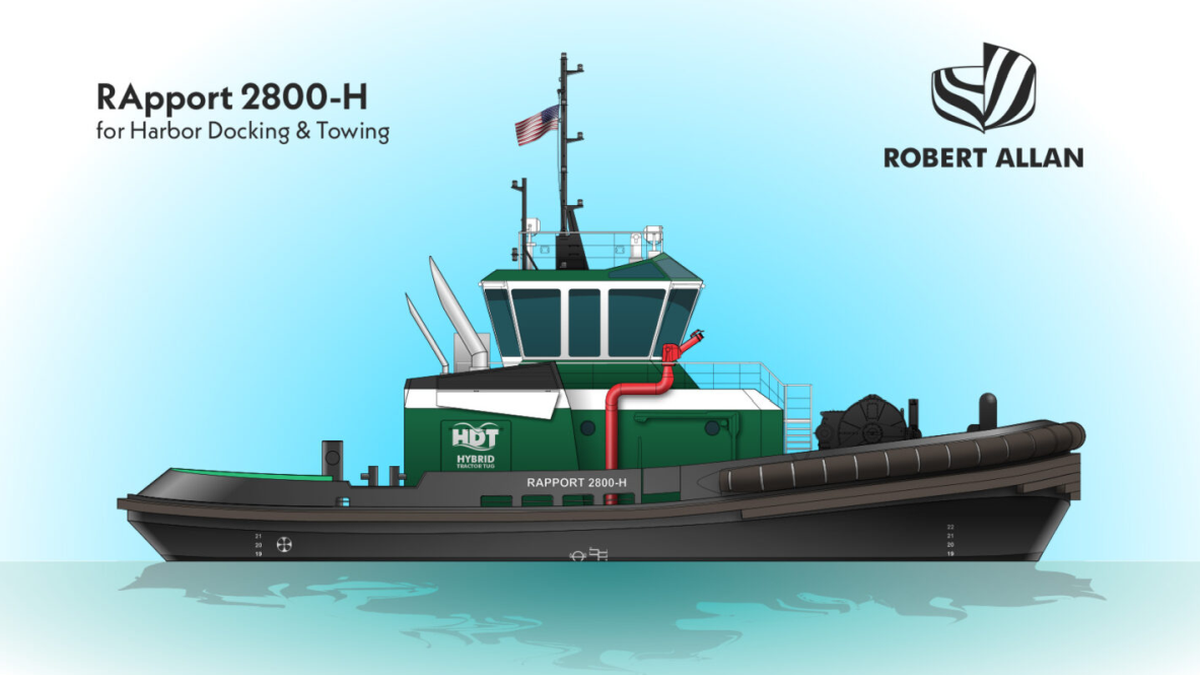
OneStep is working with vessel owners and operators to validate power networks on tugboats planned for using hydrogen in propulsion. It has also validated networks on LNG-hybrid offshore support vessels.
“Power networks have different characteristics than these new vessels operating on alternative fuels,” said Mr Craig. “There are unknown failure mechanisms and failure outcomes - traditional validation is not enough. On vessels with batteries and/or hydrogen fuel cells, entire protection systems need to be updated and validated.”
Shipowners need to validate power networks to prevent power losses from these complex fuel systems, to gain enhanced notations from class societies and “assign additional resources - time/money to deliver safe power systems, work with charterers to share the cost and time of validations and incorporate validation as part of the schedule to prevent delays.”
Another growing operational risk is from jamming and spoofing signals from the global navigation satellite system (GNSS) in maritime areas near conflict zones. Ships and offshore support services have been impacted by GNSS jamming in the Black Sea, Baltic Sea, eastern Mediterranean and in the Red Sea in 2024. In the eastern Mediterranean, GNSS spoofing and jamming have been challenges since 2018.
Hexagon technical sales manager Edward Milne said jamming can be targeted in a narrow band on one constellation of satellites, a frequency band, or can be wideband impacting all GNSS signals.
“This is a common problem as jamming equipment is freely available on the internet and can be sourced from land, in the air or at sea,” said Mr Milne. “There have been several incidents around Europe in the eastern Mediterranean for six years resulting in a complete loss of GNSS for several hours.”
GNSS jamming impacts ship navigation with GPS data used by ECDIS and other bridge equipment and affects dynamic positioning (DP) of offshore vessels. These effects can be mitigated by using independent positioning and navigational sensors, such as inertial navigation devices or anti-jamming antennas.
Hexagon htested its anti-jamming devices during Jammertest trials in Andoya Norway.
Sign up for Riviera’s series of technical and operational webinars and conferences:
- Register to attend by visiting our events page.
- Watch recordings from all of our webinars in the webinar library.

Related to this Story
Events

Maritime Regulations Webinar Week
16 Dec 2025GMT - ONLINEFloating energy: successfully unlocking stranded gas using FLNGs and FSRUs
24 Feb 2026GMT - ONLINE
© 2024 Riviera Maritime Media Ltd.


