


Business Sectors
Business Sectors
Events
Contents

Register to read more articles.

Engineroom bilges: a perspective on seaworthiness
Eastern Pacific Shipping technical superintendent, Indreesh Lunial, explains why a wet flywheel bilge well could become a seaworthiness issue


"A ship is deemed to be seaworthy when she is reasonably fit in all respects to encounter the ordinary perils of the seas of the adventure insured" (Marine Insurance Act 1906).
During my time as an engineering cadet on board a container vessel, my second engineer told me: “Bilge water in any bilge well was acceptable, but not in the main engine flywheel bilge well; it had to be kept dry at all times.” I followed the instruction, but, like many cadets, I did not initially understand the reasons.
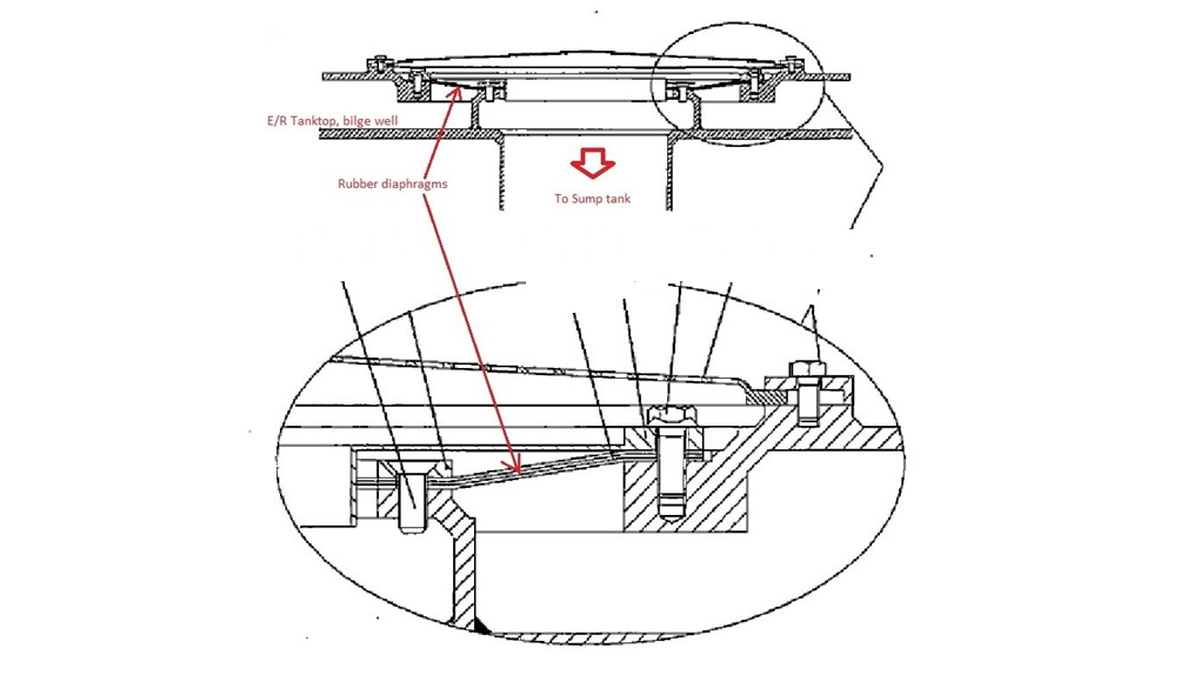
I understood the logic during my next contract, when we received a fleet circular instructing us to inspect the rubber sealing diaphragms in the main engine crankcase. These diaphragms sat between the lube-oil drain passage from the crankcase oil pan to the sump tank and sealed the sump tank from the bilge well on the engineroom tank top.
In 2021, during a webinar on hull and machinery (H&M) claims, I learned that claims arising from main engine damage linked to degraded rubber seals in the sump arrangement remained material.
Cause of damage
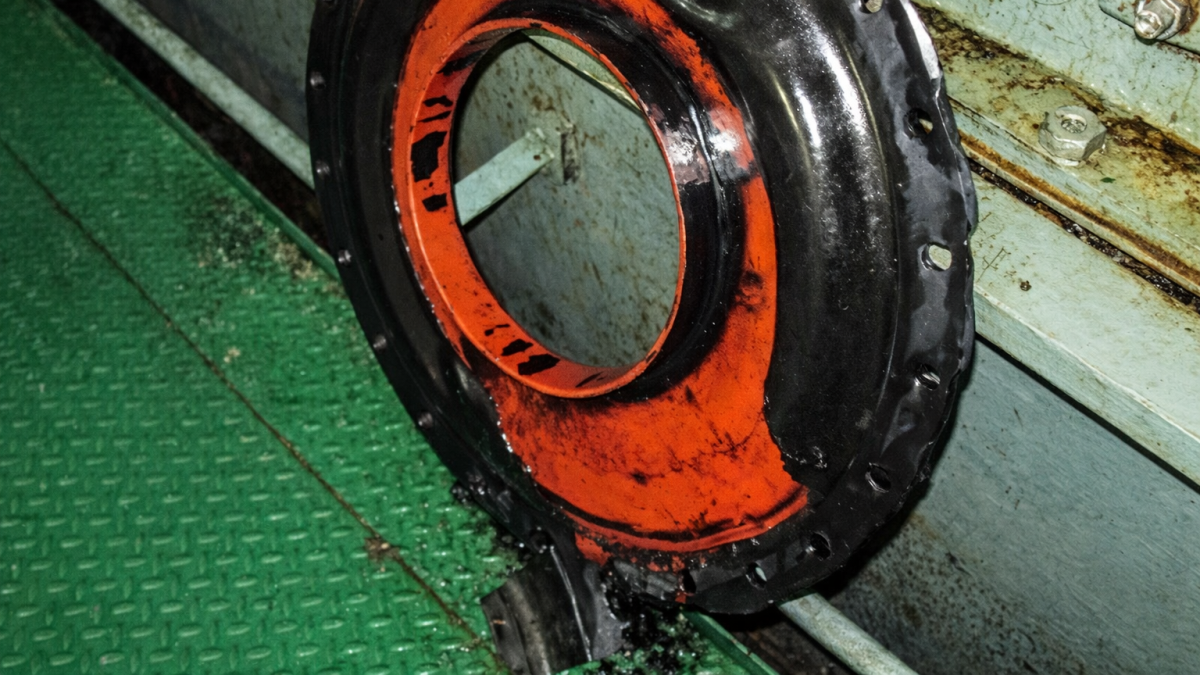
Over time, rubber diaphragms, typically three-layer items, can be damaged by ageing and the relative movement of the engine. If water accumulates in the flywheel bilge well, it can migrate through degraded seals and enter the lube-oil sump tank.
If fresh water or seawater contaminates the lube oil, engine bearings can be damaged at an accelerated pace. Claims arising from such damage can be substantial, particularly once loss of hire and cargo transhipment are added.
Why seaworthiness?
When an incident occurs and losses are incurred, stakeholders rely on insurance contracts (hull and machinery, cargo and freight) and contracts of carriage to recover those losses. Such contracts includes an implied warranty that owners exercise due diligence to ensure the vessel’s seaworthiness has been maintained before the commencement of the voyage.
Courts have repeatedly rejected owners’ recovery where due diligence had not been exercised. A well-known example is CMA CGM Libra [2021], in which the UK Supreme Court upheld the position of a group of cargo interests which refused to contribute to general average (GA) expenditure because the owner had not exercised due diligence.
A machinery-focused example is Cape Bonny [2017] EWHC 3036 (Comm), in which the vessel suffered serious main engine damage after lube-oil contamination damaged bearings.
The vessel was towed twice to avoid typhoons in the region, cargo was transhipped, and repairs were subsequently carried out. Cargo interests’ general average contribution was assessed at US$2.5M.
The judgment favoured cargo insurers that declined to pay general average, on the basis of actionable fault by the owners: they failed to exercise due diligence, including failing to assess the damaged condition of the main engine, and did not make the vessel seaworthy before commencement of the voyage.
Preventive measures
Many ship managers have procedures for onboard lube-oil testing, often carried out weekly, but that cycle could be too slow if the flywheel bilge well flooded suddenly and degraded seals allowed water to enter the sump tank. Newer engines are typically fitted with online monitoring of water content in the lube oil. Preventive measures include the following: issue fleet circulars explaining the issue and the importance of keeping the main engine flywheel bilge well dry; verify, at least weekly, the function of all bilge well alarms in the engineroom; during ship visits, check the condition of flywheel bilge wells and witness functional tests of bilge alarms and lube-oil water-content alarms; renew rubber diaphragms in line with maker recommendations, often at five-year intervals; during sea passages, check for signs of lube-oil leakage from the main engine into the flywheel bilge well - if water could migrate in, oil could also migrate out, and leakage could indicate degraded rubber seals; apply additional precautions during dry-docking, when large volumes of water could accumulate on the engineroom tank top; conduct onboard lube-oil testing within 24 hours if the flywheel bilge well becomes water-filled; and consider retrofitting online water-content monitors on older engine models.
Conclusion
Main engine bearing damage caused by lube-oil contamination tends to follow failures in more than one barrier.
While hull and machinery claims for machinery damage could be straightforward, cargo damage and transhipment costs after propulsion failure can be severe for owners, particularly where due diligence has not been exercised.
Avoiding a similar incident through prompt crew action and systematic follow-up by ship managers therefore remains in the best interests of stakeholders.
Sign up for Riviera’s April 2026 International Chemical and Product Tanker Conference:
- Register to attend here: The International Chemical and Product Tanker Conference 2026, London.
- View the latest issue of Tanker Shipping & Trade here: Tanker Shipping & Trade.





Related to this Story


Events

Maritime Regulations Webinar Week
 16 Dec 2025
 GMT - ONLINE

Floating energy: successfully unlocking stranded gas using FLNGs and FSRUs
24 Feb 2026GMT - ONLINE
© 2026 Riviera Maritime Media Ltd.


