


Business Sectors
Events

Floating energy: successfully unlocking stranded gas using FLNGs and FSRUs
 24 Feb 2026
 GMT - ONLINE
Contents

Register to read more articles.
European countries urged to allocate defence spending to offshore windfarms
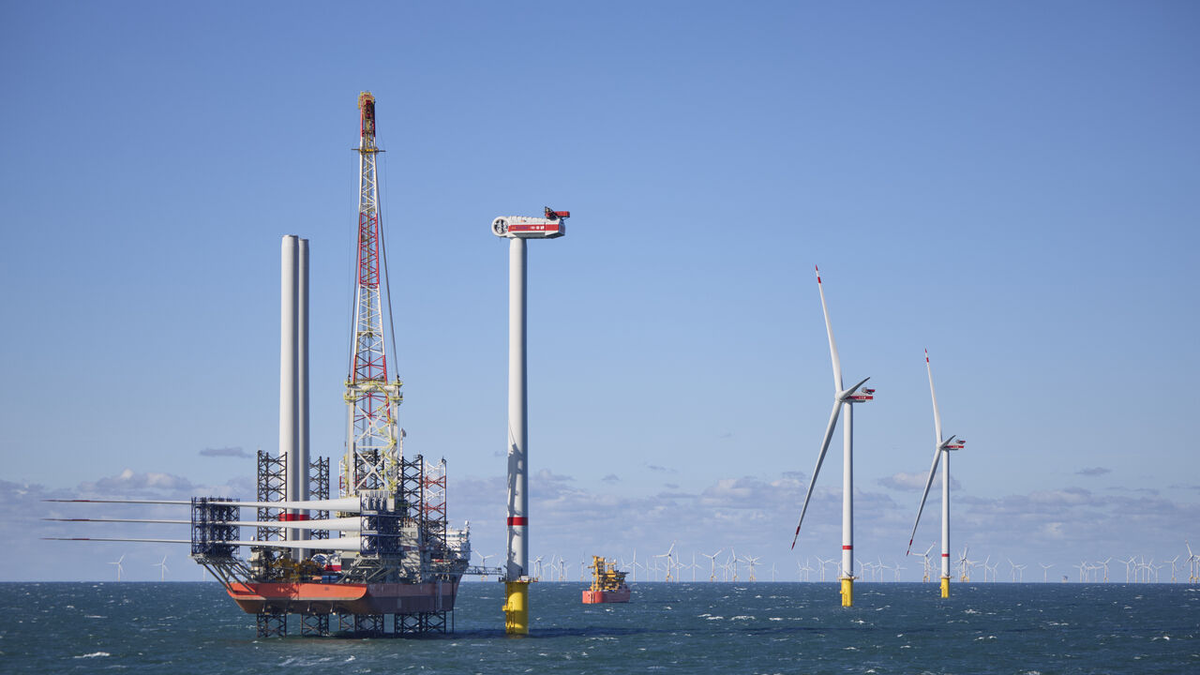
Allocating a portion of defence spending to offshore wind infrastructure could secure Europe against emerging security threats, according to a new report from E3G


The independent climate think tank is urging governments to co-ordinate the way they address security risks in the region, as they seek to build energy resilience through expanded offshore wind infrastructure.
The think tank is urging action at the forthcoming 2026 North Seas Summit, which is due to take place on 26 January 2026. To be hosted by Germany, the 3rd North Sea Summit in Hamburg will bring together heads of state and government, energy ministers from 10 North Seas countries, the European Commission, NATO, and more than 100 industry representatives. Discussions will focus on building out efficient and interconnected energy infrastructure, with expected outcomes including intergovernmental summit declarations, agreements on co-operation projects, and commitments with industry.
The 2025 NATO Summit saw allies agree that up to 1.5% of GDP be allocated for broader security-related spending, an annual figure close to €200Bn (US$232Bn) for North Seas NATO members. Now, E3G is urging leaders of North Seas countries to agree at the summit to dedicate part of this to finance a security-by-design approach for expanding energy infrastructure in the North Seas.
The result of research conducted with government, industry and civil society stakeholders across Europe, E3G’s new report, Empowering Europe: Delivering the security and economic benefits of clean energy in the North Seas, provides policy recommendations to enhance the future security and resilience of Europe through stronger co-operation.
“North Seas’ wind infrastructure can enhance Europe’s security and industrial competitiveness if it is incorporated into the continent’s broader security approach and industrial strategy,” said E3G. “Deploying new ‘dual-use’ infrastructure and upgrading existing wind assets with security equipment can strengthen surveillance and protection capabilities.” It said construction of this dual-use infrastructure could be funded using domestic defence and security spending in line with NATO commitments.
“Delivery of the 2050 target for 300 GW of offshore wind in the North Seas will require making the most of the region’s resources,” said E3G. “North Seas countries will need to jointly identify essential supply chain elements for in-region manufacturing, alongside promoting better-co-ordinated schedules of offshore wind tender rollouts. Agreement at the Summit to set out a North Seas Spatial Energy Plan by 2027 would deliver the clear forward paths and the predictability needed to ensure vital investments.”
E3G chief executive Nick Mabey said, “Offshore wind, when built for defence and properly funded, can strengthen national security. The sector needs to carry out meticulous planning for physical and cyber resilience, alongside efforts to secure critical supply chains and foster deeper regional co-operation.
“At this year’s North Sea Summit, governments must make real progress on delivery and on mapping out how countries can address these increasingly urgent issues.”
E3G associate director energy transition, Lisa Fischer, said, “North Seas offshore wind is not optional – it is essential. It secures stable energy, modern infrastructure, and Europe’s industrial leadership. The North Sea summit must back a strong delivery agenda with real political commitment.”
The climate think tank said offshore wind infrastructure could be designed as a security asset to improve defence capabilities in the North Seas by including surveillance and monitoring equipment. In case of sabotage or attack, decentralised systems make it easier to restore energy supply, compared with oil and gas infrastructure, it said.
The existing close energy security co-operation between North Seas adjacent countries does not yet link the energy and security dimensions, but countries need to work together to ensure that security requirements – and opportunities – are integrated into the design of the system. These discussions should also consider the growing risk from new threats such as hybrid and cyber attacks, as well as increasing extreme weather events. “Better integration of energy and security governance at the national level is a prerequisite to enable countries to align national priorities with the regionally co-ordinated security requirements,” the think tank concluded.
Riviera’s Offshore Wind Journal Conference will be held in London on 2 February 2026. Use this link for more information and to register for the event.
Related to this Story


Events

Maritime Regulations Webinar Week
16 Dec 2025GMT - ONLINEFloating energy: successfully unlocking stranded gas using FLNGs and FSRUs
24 Feb 2026GMT - ONLINE
© 2024 Riviera Maritime Media Ltd.


