


Business Sectors
Business Sectors
Events
Contents
Register to read more articles.
Floating wind ‘a US$12Bn vessel-building opportunity’
The market for vessels required to transport and install floating windfarms will be a huge one, according to a recent report from Intelatus Global Partners


The report says the market could range from US$28Bn to US$145Bn in the period to 2035, depending on the rate at which floating windfarms are built, and could provide a US$12Bn newbuilding market for the specialised vessels that will be required.
Intelatus anticipates that global floating wind capacity will have grown from less than 200 MW at the end of 2022 to around 61 GW of grid connected capacity by 2035. This activity will require more than US$250Bn in capital expenditure, the report states.
This global forecast translates into a need to pre-lay more than 6,000 mooring spreads in the forecast period and the hook-up of around 5,400 turbines.
Intelatus anticipates that the main vessel category that will be deployed to pre-lay, tow and hook the majority of floating wind turbines will be anchor handlers. Of the today’s fleet of 2,400 or so anchor handlers, less than 50 are identified as suitable and efficient for floating wind projects, and of this small number, many of these lack one or two of the key technical attributes that will be required for commercial-scale windfarms. At the same time, Intelatus notes, growing oil and gas activity is reducing the available supply of suitable vessels.
Intelatus expects that subsea construction vessels will also be deployed to support floating wind projects, although only around 85 out of around 500 vessels feature the capabilities required by floating wind projects. Further, given the high forecast utilization of these vessels on oil and gas projects, limited spare vessel capacity is forecast.
“There has been no building of very large anchor handlers in recent years, and those that are active have mainly been built to service oil and gas drilling rigs and floating production systems,” said Intelatus. ““None have been built with floating wind in mind, and many of the existing vessels lack one or several of the features required for efficient floating wind project delivery.
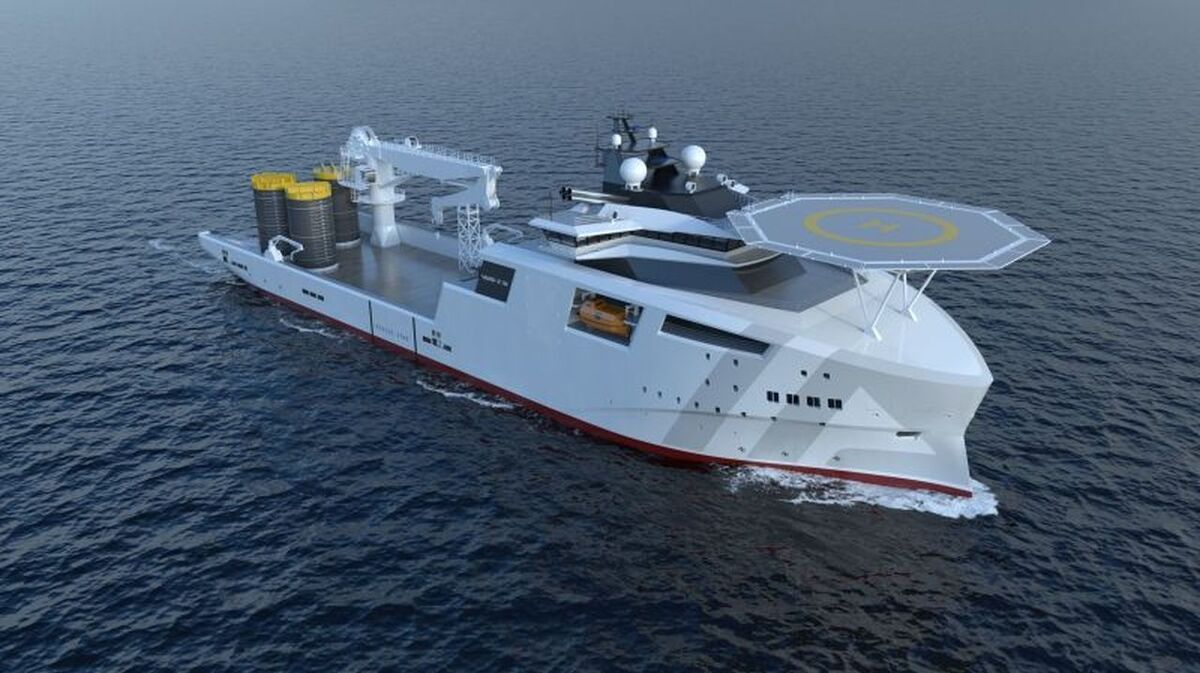
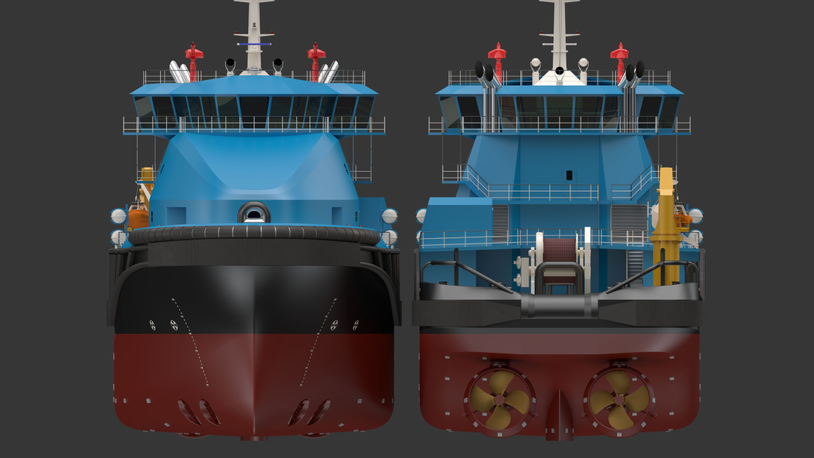
“Growing competition from both oil and gas and floating wind segments for a limited supply creates the conditions where newbuilds need to be discussed. This comes at a time when several designs are emerging for anchor handlers specifically designed for commercial scale floating wind. We forecast a vessel building opportunity amounting to as much as US$12Bn in the short to medium term.”


Related to this Story


Events

Maritime Regulations Webinar Week
 16 Dec 2025
 GMT - ONLINE
Floating energy: successfully unlocking stranded gas using FLNGs and FSRUs
24 Feb 2026GMT - ONLINE
© 2026 Riviera Maritime Media Ltd.


