


Business Sectors
Business Sectors
Events
Contents
UPDATED: Germany to aim for 40 GW of offshore wind by 2040
Germany’s Federal Ministry of Economics has unveiled a long-term framework for the development of offshore wind with a target of 40 GW by 2040


A first draft of legislation* that would amend the Offshore Wind Act (WindSeeG) envisages construction of offshore windfarms in the North Sea and Baltic with a combined total of 40 GW, and a flexible interim target of 20 GW by 2030 ‘that may be exceeded.’
The draft law would enable much more offshore wind to be built in German waters, combined, eventually, with production of green hydrogen.
However, Germany’s Wind Energy Agency (WAB) said the draft legislation also contains a proposal for an as yet unspecified tendering model for offshore wind projects, "which could considerably slow down" exploitation of Germany’s offshore wind potential.
WAB and the Association of German Offshore Windfarm Operators (BWO) have been advocating for the introduction of contracts for difference (CfDs), their preferred tendering model for offshore wind, which have been used successfully elsewhere, notably in the UK.
WAB and the BWO believe CfDs can create a stable climate for investment in offshore wind that would help domestic small and medium-sized enterprises and reduce the burden on consumers of the rapid introduction of additional capacity.
Introducing CfDs would, they say, lead to increased investment and increased competition for contracts and hence make it more likely that tenders result in a rapid roll-out of more offshore wind capacity.
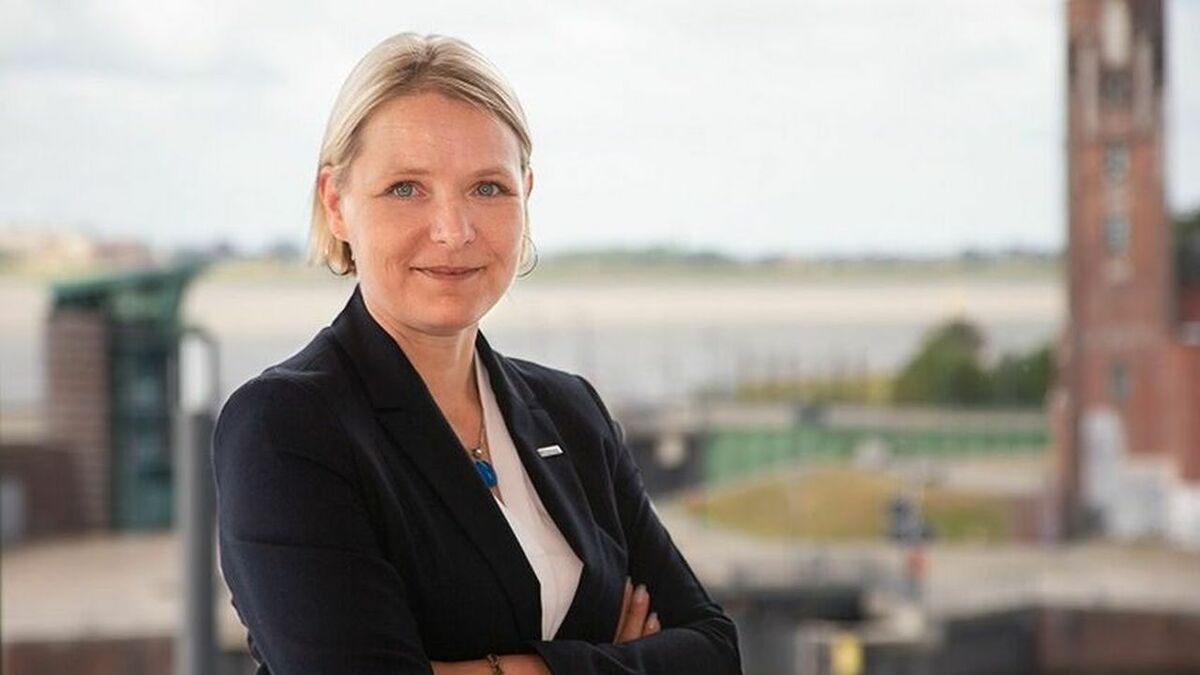
WAB managing director Heike Winkler said, “We welcome the fact that the Federal Ministry of Economics has recognised the importance of long-term planning for the offshore wind industry.
“The 40-GW target for 2040 contained in the draft bill – ideally combined with an immediate ‘special tender,’ as promised in the coalition government’s agreement – would bring back investment security and give the domestic wind industry a fresh start. Without an immediate tender for otherwise unused grid connection capacity, innovative companies and jobs will be jeopardised.”
WAB said another positive aspect of the draft bill is the flexibility of the 20-GW target for 2030, which could, potentially, be exceeded.
It says this flexibility is important to protect jobs and create news ones, and help Germany meet climate change goals. The Bremen Declaration of 2019 called for an offshore wind target of 35 GW by 2035 and is, said WAB, “a sensible goal.”
WAB believes that if the new 40-GW goal is to be met by 2040, it is essential that work gets underway immediately on doing so, via the long-sought special tender.
On the proposed combination of offshore wind and production of green hydrogen, Ms Winkler said, “In order to ensure that the green hydrogen sector has a sustainable future, we need a national hydrogen strategy running in parallel with the ongoing legislative process for offshore wind, and we need this to be agreed before the parliamentary summer break.
“Wind and hydrogen are ideal partners. The hydrogen strategy should focus on building a domestic market for green hydrogen, and on the expansion of electrolysis capacity.”
* On 3 June 2020, the Federal Government confirmed that the cabinet had passed the bill
Riviera will host a week of free to attend 45-minute webinars focused on offshore wind commencing 8 June. Register your interest now

Related to this Story

Events

Maritime Regulations Webinar Week
 16 Dec 2025
 GMT - ONLINE
Floating energy: successfully unlocking stranded gas using FLNGs and FSRUs
24 Feb 2026GMT - ONLINE
© 2026 Riviera Maritime Media Ltd.


