


Business Sectors
Business Sectors
Events
Contents

Register to read more articles.
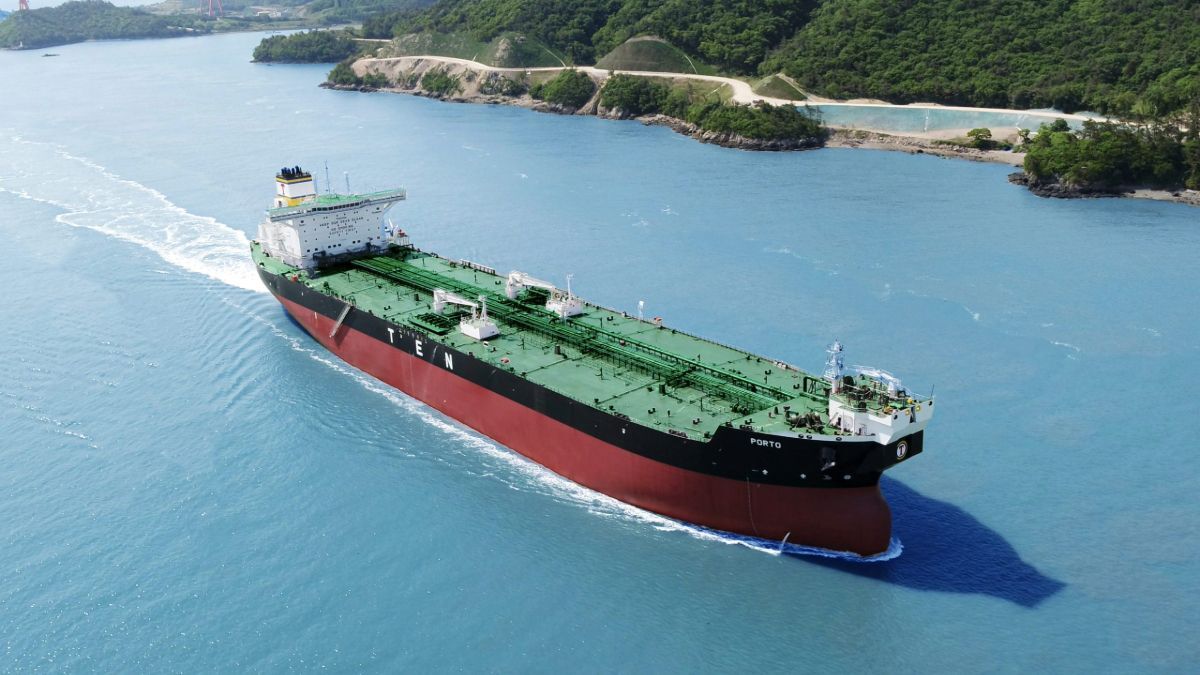
Greek shipping majors discuss 'dark fleet', Red Sea and Trump 2.0
The past few weeks have been eventful for the shipping industry, with significant developments surrounding the dark fleet, the Red Sea, and renewed speculation about global trade implications following Donald Trump’s return to the Oval Office


Greek shipping majors are closely monitoring these developments, adopting a cautious stance on how these changes might affect global trade and, consequently, the shipping sector.
With increasing sanctions targeting the so-called dark fleet, Tsakos Energy Navigation chief executive Nikos P Tsakos predicts a positive shift for “first-class shipping companies with modern fleets.” Speaking at a Capital Link corporate presentation, Dr Tsakos explained that older vessels, often responsible for undercutting the rates of newer ships, are now sidelined due to sanctions.
The sentiment is reflected in the charter market, where VLCC rates rose sharply following US announcements of sanctions targeting Russia. Despite recent market corrections, analysts maintain an optimistic outlook for the future.
‘Wait and see’ for the Red Sea
On the topic of the recent Gaza ceasefire and the potential reopening of the Red Sea to commercial shipping, Dr Tsakos expressed skepticism.
“We and our peers have refrained from exposing our crews and vessels to danger,” said the Greek shipowner, emphasising that significant time and assurances would be needed before ships could safely transit the region.
“While open seas are undoubtedly positive for business, careful deliberation is required before resuming operations in such areas,” he added.
Industry insiders agree, highlighting that early voyages through the Red Sea will serve as critical tests. If these initial journeys encounter threats or incidents, the full reopening of the route could be delayed indefinitely.
Trump 2.0 and global trade
Donald Trump’s second term as US President has also raised questions about the potential impact of his policies on global trade and shipping markets.
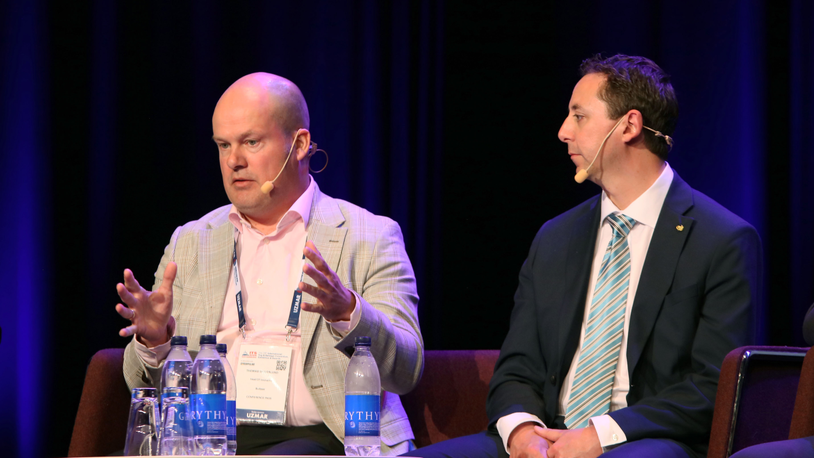
In another Capital Link presentation, Petros Pappas-led Star Bulk Carriers analysed the implications of anticipated tariffs. Star Bulk deputy chief investment officer and head of research, Constantinos Simantiras noted tariffs are typically viewed as a hindrance to trade. However, he pointed out they can also trigger short-term surges in shipping volumes as businesses pre-emptively stock goods ahead of potential restrictions.
“Historically, tariffs often lead to trade inefficiencies, which can sometimes have a net positive impact on the shipping market,” Mr Simantiras added.
When asked about President Trump’s comments on the Panama Canal, Star Bulk president, Hamish Norton, referenced a Wall Street Journal article to note the canal does not charge higher fees to any specific user. “I am not sure what the problem is, but I assume it will resolve itself in a peaceful and productive way,” he remarked.
Sign up for Riviera’s series of technical and operational webinars and conferences:
- Register to attend by visiting our events page.
- Watch recordings from all of our webinars in the webinar library.
Related to this Story

Events

Maritime Regulations Webinar Week
 16 Dec 2025
 GMT - ONLINE
Floating energy: successfully unlocking stranded gas using FLNGs and FSRUs
24 Feb 2026GMT - ONLINE
© 2026 Riviera Maritime Media Ltd.


