


Business Sectors
Business Sectors
Events
Contents
IMO celebrates inaugural International Day for Women in Maritime
While paying tribute to women in shipping, the observance is also aimed at narrowing the vast gender imbalance in maritime


With women’s representation in maritime just above 1% of the global workforce, according to a 2021 report compiled by BIMCO and the International Chamber of Shipping (ICS), there is a growth trend showing significantly more women entering the sector in recent years.
In 2015, the same report showed just over half the number of women working in the maritime workforce compared with 2021 numbers. The 24,059 women serving as seafarers today, 1.2% of the total workforce, represent a 45.8% increase compared with the 2015 report.
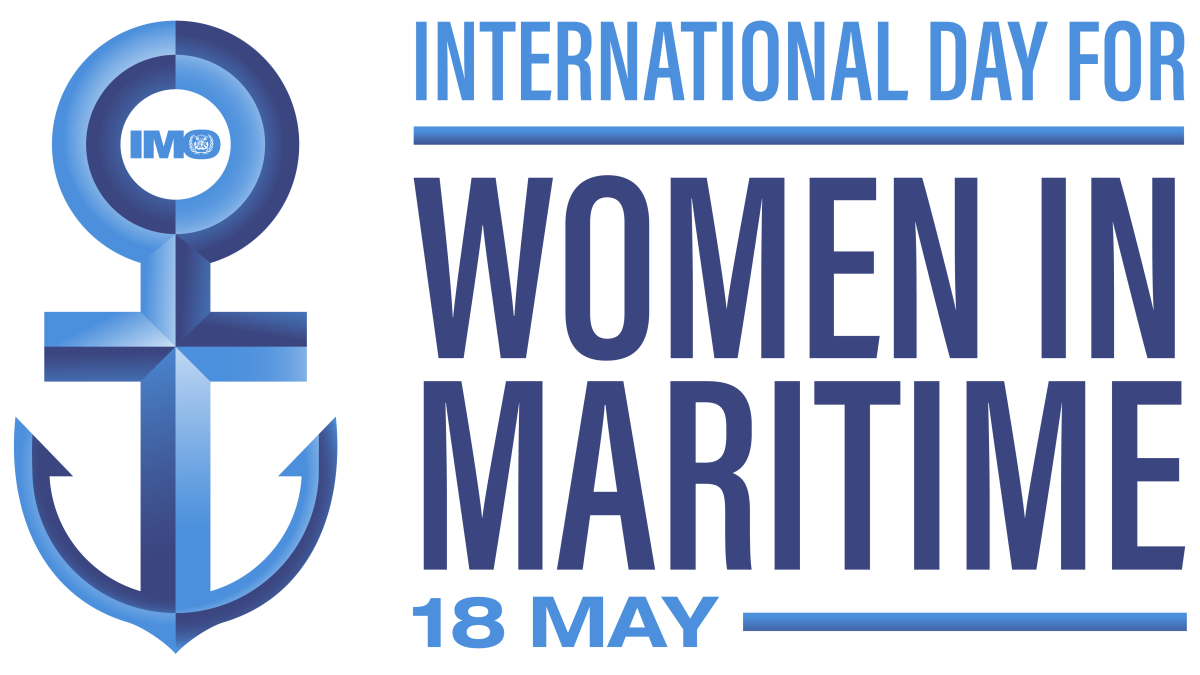
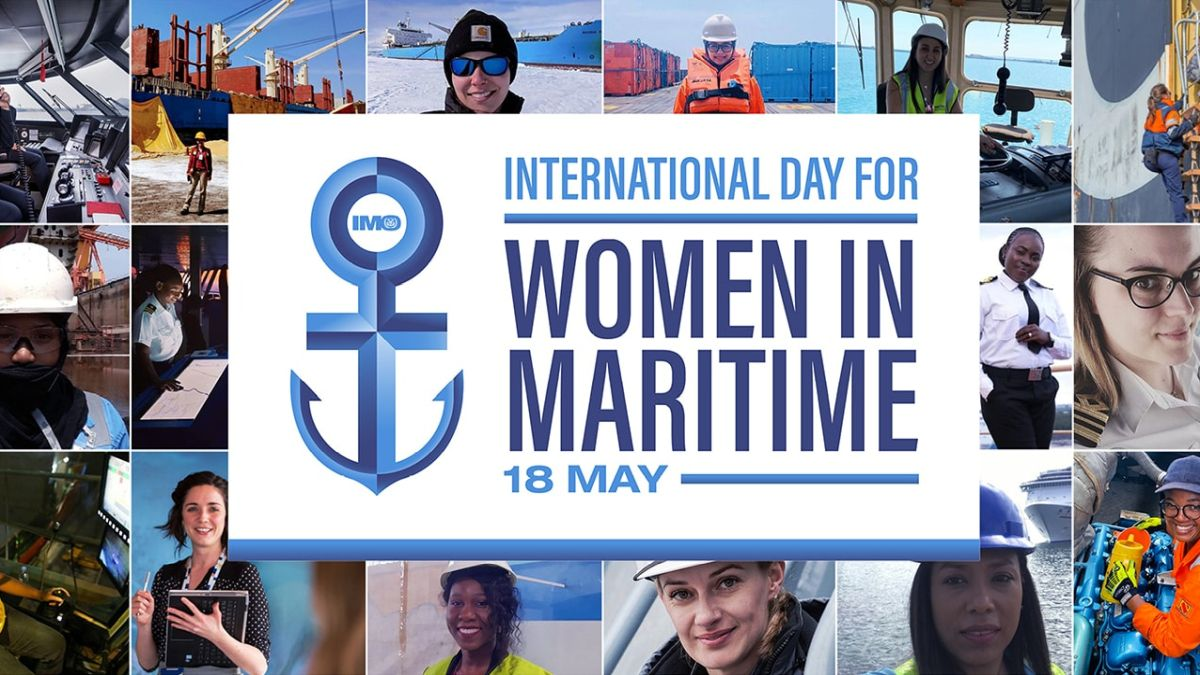
IMO’s International Day for Women in Maritime was officially sanctioned at December 2021’s assembly meeting, when IMO member states designated 18 May each year as a date to acknowledge and pay tribute to the accomplishments of maritime women.
The day, IMO said, was "to provide an opportunity to highlight and celebrate women in maritime" and to "promote the recruitment, retention and sustained employment of women in the maritime sector and support work to address the current gender imbalance in maritime".
Listen: The vital role of ports in decarbonisation and need for diversity in shipping -- In conversation with Margaret Kaigh Doyle, President and Founding Director, PortVision50.
In celebration, IMO posted a message from secretary general, Kitack Lim on its website outlining the day’s theme as Training-Visibility-Recognition: supporting a barrier-free working environment.
"On this inaugural International Day for Women in Maritime, let’s take this opportunity to celebrate the many women who are contributing to the future of maritime: navigators, engineers, surveyors, CEO’s, managers, representatives of government and industry, those chairing IMO meetings and women in every other role across the industry," secretary general Lim said.
"Women are working in all facets of the maritime sector across the globe to support the transition to a decarbonised, digitalised and more sustainable future for the industry. There is still a gender imbalance in maritime – but times are changing as it becomes recognised that diversity in maritime benefits the entire sector."
IMO’s fact sheet cites ample evidence, including from scientific studies which show that investing in women is "the most effective way to lift communities, companies and even countries".
"Countries with more gender equality have better economic growth. Companies with more women leaders perform better (see study, The Bottom Line: Corporate Performance and Women’s Representation on Boards). Peace agreements that include women are more durable. Parliaments with more women enact more legislation on key social issues such as health, education, anti-discrimination and child support. The evidence is clear: equality for women means progress for all," IMO said.
IMO-WISTA Women in Maritime survey highlights current gender diversity across the sector and sets a benchmark for progress
Gender diversity in maritime is extremely fragmented by sector, according to data from the newly- published 2021 IMO-WISTA (Women’s International Shipping & Trading Association) Women in Maritime Survey Report.
The report, launched on the first IMO International Day for Women in Maritime, contains information about the proportion and distribution of women working in the maritime sector from IMO Member States and the maritime industry. The data demonstrates that women account for only 29% of the overall workforce in the general industry and 20% of the workforce of national maritime authorities in Member States.
The report highlights great variation amongst individual sub-sectors. According to data gathered from Member States, search and rescue teams in national maritime authorities accounting for significantly fewer women staff (just 10%) as compared to female diplomats (33%) and training staff (30%). Industry data shows that women seafarers make up just 2% of the crewing workforce and are predominately found in the cruise sector, while in shipowning companies, they made up 34% of the workforce.
The survey was conducted in 2021 through online surveys sent to IMO Member States and companies.

Related to this Story
Events

Maritime Regulations Webinar Week
 16 Dec 2025
 GMT - ONLINE
Floating energy: successfully unlocking stranded gas using FLNGs and FSRUs
24 Feb 2026GMT - ONLINE
© 2026 Riviera Maritime Media Ltd.


