


Business Sectors
Events
Floating energy: successfully unlocking stranded gas using FLNGs and FSRUs
 24 Feb 2026
 GMT - ONLINE
Contents
Register to read more articles.
IMO to lay foundations for autonomous shipping
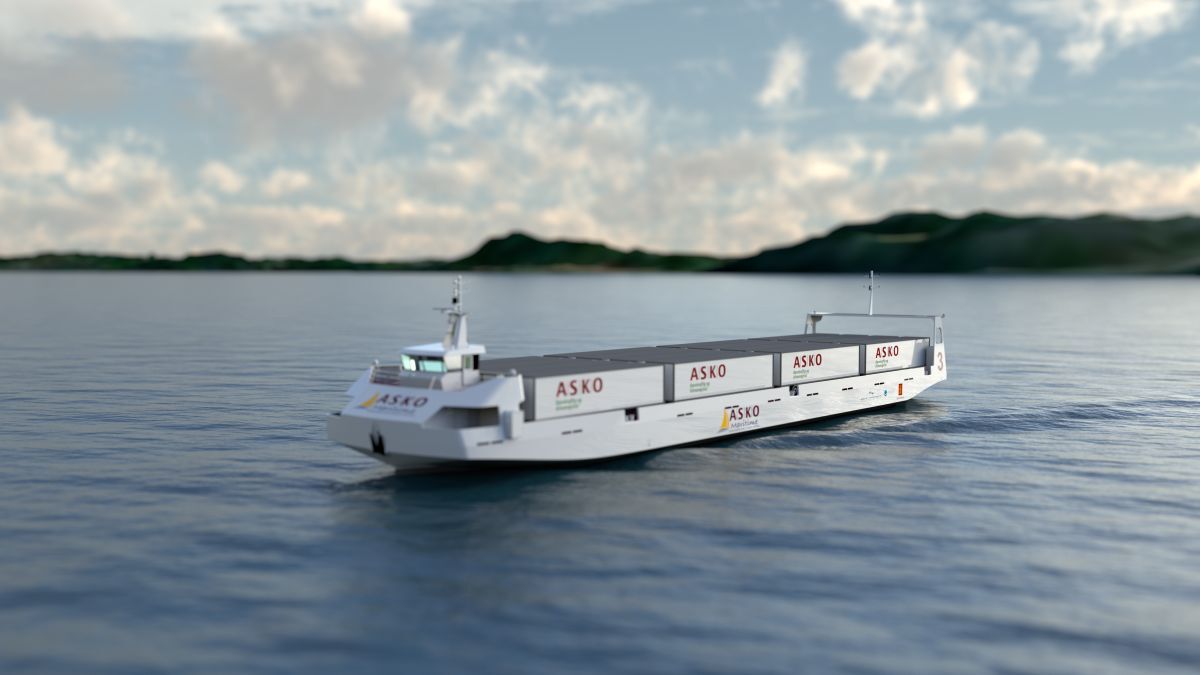
IMO will be laying the foundations for regulatory changes for autonomous shipping operations a year later than planned


Its Maritime Safety Committee (MSC) is meeting remotely over the next two weeks to consider amendments to enable Maritime Autonomous Surface Ships (MASS).
During its 103rd session, MSC members will assess the outcome of a regulatory scoping exercise on MASS carried out over the last couple of years and identify priorities for further work.
Between 5 and 14 May, committee members will discuss the most appropriate ways of addressing MASS operations from the regulatory perspective and to consider submissions relating to trials of autonomous ships.
Seafarer safety will also be discussed, including a proposal to adopt a resolution on prioritising seafarers for Covid-19 vaccinations.
Maritime security, such as growing threats from cyber security, piracy and armed robbery is also on MSC 103’s agenda, with a focus on tackling the ongoing piracy problems in the Gulf of Guinea.
Fuel safety is also high on the agenda, with MSC 103 expected to establish a working group to examine issues including fuel flashpoint, blended fuels and fuel sampling and testing.
In response to the growing need for safer operation of domestic ferries, the committee will consider a set of draft model regulations on passenger shipping safety that can be incorporated into national laws.
Committee members will also consider proposals for future work, including how to address the problem of the increasing number and frequency of containers being lost at sea.
It is expected MSC 103 will adopt multiple amendments to SOLAS and other instruments. The session will also approve various sets of guidance and guidelines developed by IMO’s sub-committees.
MSC 103 was opened by IMO secretary-general Kitack Lim who said, “This will be another intense session, with a busy agenda”.
“While we move ahead with important changes to regulations, we have also had to respond to the challenges posed by the Covid-19 pandemic and its serious impact on global trade and travel, and particularly on seafarers,” said Mr Lim.
“We are continuing to work tirelessly together with our UN sister organisations and industry partners to encourage [IMO] member states to recognise seafarers as key workers,” he continued, “and to prioritise their vaccination, thereby facilitating seafarers’ safe movement across borders.” So far IMO has received only 58 relevant notifications from member states, representing about a third of its membership.
On the subject of MASS discussions, Mr Lim said this work was delayed by a year due to the pandemic, and there may not be any significant changes from MSC 103 on this matter. “We must keep in mind that the objective of the regulatory scoping exercise is to identify items for further discussion in the future,” he said.
“The objective is not to discuss or decide on recommendations at this stage. However, it is clear that many delegations would like to start the actual regulatory work as soon as possible.”
Mr Lim encouraged MSC 103 to finalise the scoping exercise at this session, “so that further regulatory work can be considered as soon as possible to ensure that regulation keeps pace with development”.
He expects the committee will adopt draft amendments to eight mandatory instruments, including SOLAS, Standards of Training, Certification and Watchkeeping for seafarers convention and code; and the 1988 Load Lines protocol. Related amendments to two non-mandatory instruments will also be finalised for approval.
Mayte Medina (United States) was elected chair of MSC at the start of the session, following the resignation of the long-serving previous chair, Brad Groves (Australia) at the end of last year. Theofilos Mozas (Greece) was elected as vice chair for 2021.
Shipping safety and security will be discussed during Riviera Maritime Media’s series of virtual webinars, forums, conferences and technology days in 2021 - use this link for more details and to register on the events page
Related to this Story
Events
Maritime Regulations Webinar Week
16 Dec 2025GMT - ONLINEFloating energy: successfully unlocking stranded gas using FLNGs and FSRUs
24 Feb 2026GMT - ONLINE
© 2024 Riviera Maritime Media Ltd.


