


Business Sectors
Business Sectors
Events
Contents
Register to read more articles.

Korean shipbuilding must resist standardisation push, says Hanwha executive
Korean shipyards must not follow Japan’s path toward standardised vessel production, despite Chinese competition, a senior shipbuilding executive has warned


Speaking at January’s maritime-insight Executive Meeting 2025 in Gothenburg, head of Hanwa Ocean Europe, Claire Wright, said Japanese shipbuilding’s retreat to predominantly domestic bulk carrier construction serves as a cautionary example, with its market share reduced to parity with European yards despite its historical leadership position.
"Korea can learn lessons from Japan’s transition, but as Korean shipbuilders, we have to take a different route when looking to remain relevant to customers in the next 20 years," said Ms Wright, highlighting Hanwha’s ability to transfer technology from its defence and aerospace divisions to enhance shipbuilding capabilities, particularly in complex vessel integration.
Painting a positive demand picture, Ms Wright said energy majors’ 15-year age limits for chartered vessels, combined with average fleet ages exceeding 12 years in key segments, means replacement demand is building despite today’s suppressed demolition rates.
Geopolitical disruptions, including Red Sea constraints and Russian trade restrictions, have also created a significant shadow fleet of older vessels, that will potentially drive substantial renewal demand once trade patterns normalise.
Energy transition requirements create opportunities for Korean yards in complex vessel segments, Ms Wright added, noting increasing demand for retrofit capability and flexible fuel systems in newbuilding designs.
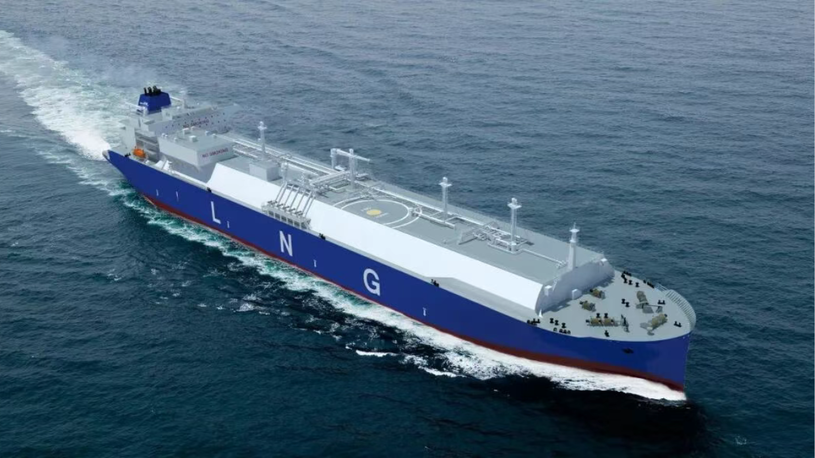
Current market segmentation sees China dominating bulk carrier, tanker and container ship newbuilding, while Korea leads in gas carriers and specialised vessels.
Sign up for Riviera’s series of technical and operational webinars and conferences:
- Register to attend by visiting our events page.
- Watch recordings from all of our webinars in the webinar library.


Related to this Story

Events

Maritime Regulations Webinar Week
 16 Dec 2025
 GMT - ONLINE
Floating energy: successfully unlocking stranded gas using FLNGs and FSRUs
24 Feb 2026GMT - ONLINE
© 2026 Riviera Maritime Media Ltd.


