


Business Sectors
Events
Contents

Register to read more articles.

Data on DP incidents suggests industry “becoming less safe”
Recent data shared in an IMCA report shows an increase in the percentage of DP incidents, with human factors playing a significant role


Data collected from dynamic positioning (DP) events from the past 500 days has revealed an increase in the percentage of DP incidents compared to 2019, indicating that the industry is “becoming less safe”.
This was one of the key findings by The International Marine Contractors Association (IMCA) revealed at its two-day DP Conference in Amsterdam in May 2022. The conference brought together professionals involved in DP operations from the offshore renewable and offshore oil and gas sectors.
“DP is in IMCA’s DNA with our heritage going back to 1989 in this area. We invited delegates to help us shape the future of our industry,” said IMCA marine technical adviser Richard Purser.
A post-conference report issued by the association contains coverage of the key takeaways from each of the conference’s seven sessions: IMCA DP Reflections, Technical Work of DP Committee, Quickfire Round – Innovative Technology from OneStep, MO4, Kotug and Ampelmann, Assurance and Training, Operations, Ask the Industry Panel featuring DP specialists, and DP Annual Trials and Assurance.
“There are far too many individuals undertaking DP-related work scopes that simply do not have the experience”
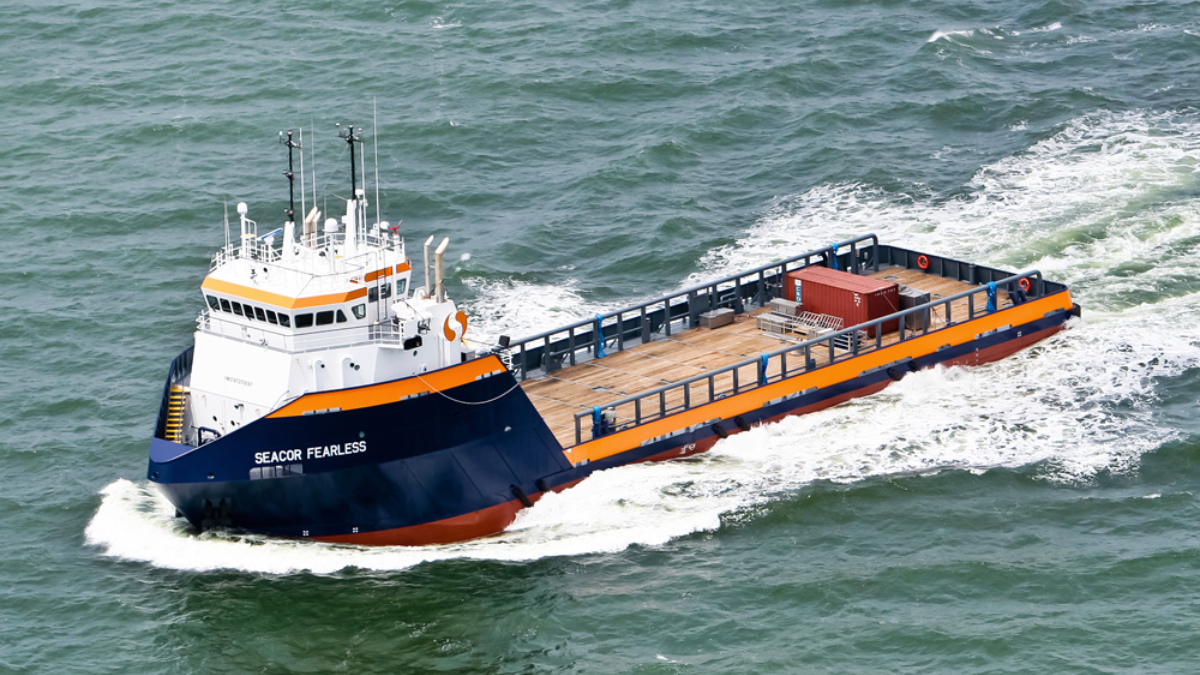
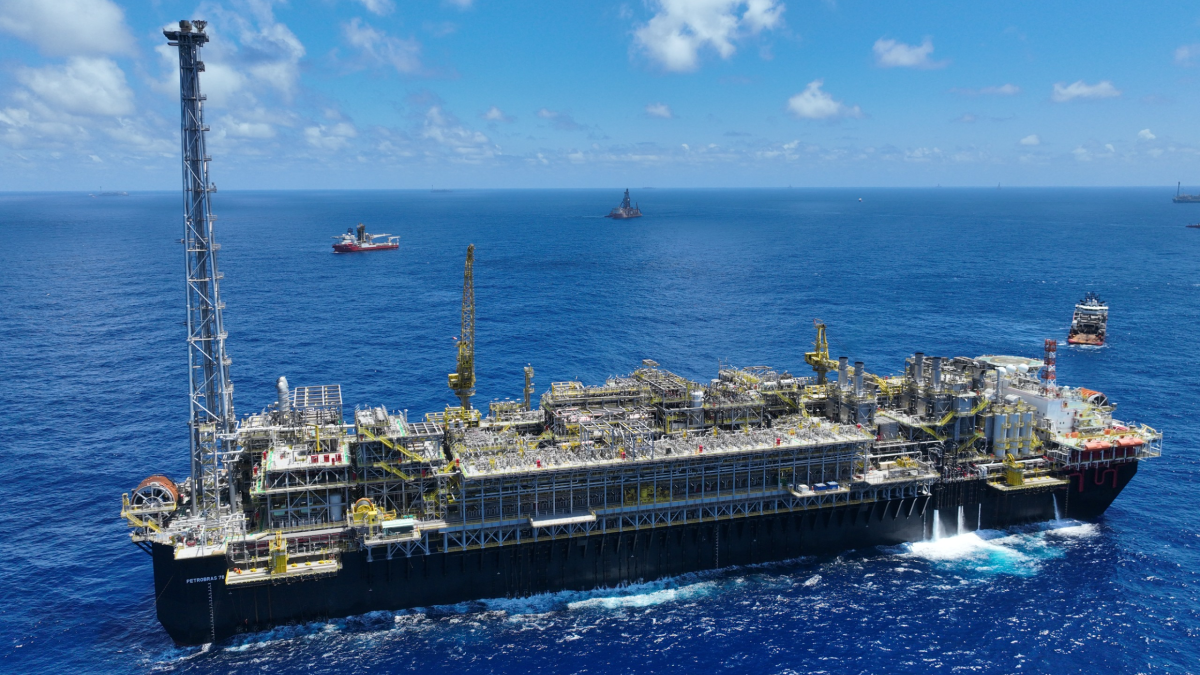
Some offshore vessels operate with DP systems to remain on station independent of external effects such as wind, waves and currents. For example, DP systems are critical to conducting safe operations around drilling rigs, offshore platforms or during wind turbine installations.
During Session 1, Mr Purser discussed the details behind the alarming rise in the percentage of DP incidents reported. IMCA defines a DP incident for reporting purposes as a major system failure, environmental or human factor which has resulted in a loss of DP capability leading to loss of position or heading. Analysis of the anonymized data collected from the offshore vessel owners and operators showed the percentage of DP incidents reached 31% in 2021.
| Leading human-factors errors in DP incidents | ||||
| Sensory | Memory | Decision | Action | |
| Human errors | 14% | 7% | 43% | 36% |
| Source: IMCA | ||||
Human factors a leading trigger
The root causes of the DP incidents —referred to as the ‘secondary cause’ for the purposes of DP event reporting — are defined as “the trigger(s) for defeating the redundancy concept of the DP system again considering the system sub system, environmental, external or human factor.”
The highest trigger was attributed to ‘human’ factors, which were broken down into four areas: (1) Sensory error - errors caused by difficulty distinguishing functions, controls, colours, labelling, etc; (2) Memory error - errors caused by forgetting to make a selection or setting; (3) Decision error - errors where a clear decision was made to operate in a particular way; and (4) Action error - errors where a function or control was selected incorrectly.
Of these, decision error and action error accounted for 79% of human factors. An analysis of the data suggested that one reason for this could be that the decision support tools, that should be in place, were badly written, interpreted, not used or ignored.
Overall, 74% of events attributed to human factors had led to a DP incident. With human factors playing a significant role in the events reported, IMCA said more work was required, and further investigation needs to be made to understand why this was the case.
IMCA encourages offshore vessel owners and operators to submit details of DP events to increase the data that is being analysed to provide important lessons for the industry.
DP accreditation
Another key finding from the conference was the need to increase the number of individuals going through the DP accreditation process. This was highlighted in a presentation by IMCA technical adviser Graeme Reid, who discussed the association’s accreditation scheme and how effectively it was being implemented.
Introduced by IMCA in May 2019, the DP Practitioner Accreditation Scheme aims to improve the consistency and conduct of DP trials and to set a recognised level of knowledge for DP assurance personnel.
As part of this process, IMCA said operators can be assured that DP practitioners who are conducting audit duties are accredited to a recognised standard and that they meet the OCIMF requirements.
Mr Reid noted the two categories of practitioner: DP Trials & Assurance Practitioner, who is actively involved in producing, witnessing and assessing the results of DP FMEA proving trials and DP annual trials programmes; and Company DP Authority, who manages, and provides advice on, DP assurance processes and is typically employed within a vessel owner or charterer.
“Analysis of the anonymised data showed the percentage of DP incidents reached 31% in 2021”
The accreditation scheme has five main elements that the candidate is required to demonstrate in order to acquire and maintain accreditation: code of conduct, certification and qualification, experience and knowledge, initial examination and three-year revalidation.
There are currently 56 accredited DP Trials & Assurance Practitioners and 18 accredited Company DP Authorities.
A high number of candidates had been unable to meet the criteria in the application process in terms of being unable to provide supporting evidence in many areas, including DP trials, FMEA involvement, gap analysis, incident investigation, and operational planning. Despite this, IMCA noted that all those unable to meet the criteria were still conducting DP assurance activities globally.
There have been 34 exam failures since the start of the scheme in 2019, including those attempting the exams for the second and third times. Mr Reid highlighted that the exam was not aimed at the subject matter expert level but was targeted at those with more of a basic understanding of the tasks to be carried out.
IMCA believes its “assurance scheme can make a difference and that with wider adoption the bar can be raised on the subject of DP trials and assurance.” The association added: “There were far too many individuals undertaking DP-related work scopes that simply do not have the experience, knowledge and competency to do so.”
Accreditation was now a recommendation within a number of IMCA guidance documents, for example IMCA M 190, IMCA M 166 and IMCA/MSF 182, all recently published or updated.
The feedback from those involved in the scheme was reported to be positive and IMCA intends to refresh the exam later in 2022 to ensure it remains relevant.
Next year, IMCA will hold the 2023 IMCA DP Conference 9-10 May 2023 in Amsterdam.

Related to this Story


Events

Maritime Regulations Webinar Week
 16 Dec 2025
 GMT - ONLINE
Floating energy: successfully unlocking stranded gas using FLNGs and FSRUs
24 Feb 2026GMT - ONLINE
© 2024 Riviera Maritime Media Ltd.


