


Business Sectors
Business Sectors
Events
Contents

Register to read more articles.
Passenger ships: the role of the safety management system
ABS vice president engineering and risk management Steve Grotsky and marine surveys manager John Francic explain how to design, implement and improve safety management systems


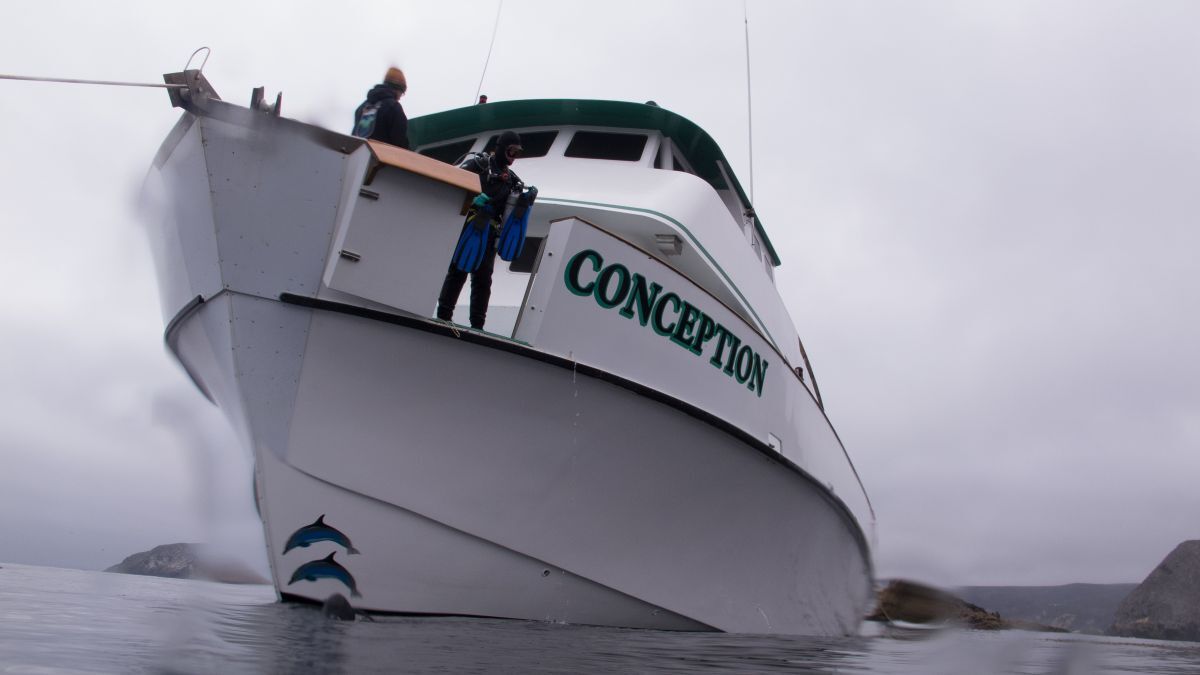
It has been four years since the fatal Conception dive boat fire claimed 34 lives off the California coast, prompting the National Transportation Safety Board (NTSB) to renew its efforts to improve passenger vessel safety requirements. In light of this move, all passenger vessel operators should consider re-evaluating their safety programmes and procedures to ensure relevant and all-encompassing protocols govern their vessels, offices, facilities and anywhere else they may do business. This can be accomplished by ensuring a strong safety management system (SMS).
Developing a robust SMS, which provides a framework for minimising risks related to safety, security and environmental dangers at every level of an organisation, can help leaders begin on this journey. An SMS outlines the organisation’s approach to managing risk, plans to mitigate health and safety issues, and roadmaps for addressing incidents that occur. It also serves as a guide for employees, communicating the organisation’s commitment to a safety-conscious culture.
The elements of a strong SMS
Maritime, aviation, rail and other intermodal transport methods serving critical infrastructure face a unique set of risks and liabilities when accidents occur. Incidents can have far-reaching consequences on employees, operations and could impact surrounding areas. As such, commercial and passenger transport operators are required by law to have a functional SMS that addresses their unique operations.
A comprehensive SMS helps ensure the wellbeing of your employees, protects your assets and maintains safe, secure environments for business operations. Per regulatory guidance, it must include clearly defined safety and environmental protection policies, safe operating procedures and the business’ levels of authority, alongside other specific guidance that ensure ongoing safety in the enterprise. This document acts as a guiding light for employees at all levels and establishes executive leadership’s commitment to compliance and continual improvement.
Though safety policies are unique to each business, there are three key features (aside from the components required by law) that all SMSs should include to guarantee safe, productive work environments:
- Continual improvement measures: sometimes called ’safety assurance’ measures, continual improvement measures are designed to evaluate the ongoing effectiveness of the SMS and any implemented risk control strategies.
- Risk management programme: the safety risk management programme includes procedures that help safety leaders identify new risks and hazards as they arise, develop new controls and assess their efficacy.
- Cultural supports: corporate culture is key to curating a safe working environment. SMSs must include clear guidance on the company’s plans for training, communication and values to ensure all employees understand the importance of workplace safety; why certain rules, regulations, and protocols are in place; and the potential consequences of not adhering to the SMS’ guidance.
Step-by-step to a stronger SMS
To improve existing protocols, companies must engage in a robust implementation process:
- Establish a baseline of current performance
The first step is an audit that examines current procedures and practices. This will help to ensure the highest level of safety and compliance standards throughout your organisation by conducting internal reviews to determine the legitimacy and effectiveness of your organisation’s existing SMS. This involves a review of your manual’s governance, management of change, and review and approval processes for alignment with applicable regulatory guidance. - Identify opportunities for improvement
Using the insights gained from the audit and their extensive experience in building safer operational models, companies can identify compliance gaps, benchmark performance against industry standards, and opportunities for other improvements that can help reduce incidents and costs, enhance productivity and efficiency, improve reputation and build a strong safety culture that helps maintain stakeholders’ confidence.
You can use this as a guide to ensure your new SMS framework both aligns with current International Organization for Standardization (ISO) standards, and includes additional measures that help to protect your assets. - Develop and/or update standard operational procedures (SOPs) and checklists
You can now begin updating existing operational documentation and identifying areas for supporting checklists within each SOP. It may also be valuable to conduct working sessions with various internal stakeholders to inform further SOP and checklist updates to ensure compliance with all internal policies and regulations. This is imperative for promoting standardisation across all internal documents, which will ease the overall implementation process. - Gain approval and implement efficiencies to drive widespread adoption
Once you have developed a functional and actionable SMS, you can begin to roll-out the new SMS throughout the enterprise and attain buy-in from various business areas. It may also be helpful to explore technological support that streamlines outlined processes such as data entry, reporting or any other administrative work that may arise from updated policies. Investing in automation tools like these may help departmental leadership get up to speed faster and adhere to new guidance more effectively. - Pursue continual improvement and optimisation
Safety management is a continual process. As risks and threats change, so too do the controls needed to address them. Leadership should conduct regular assessments of compliance, address corrective and preventive actions, engage in root cause analyses and adjust their quality management systems as needed to meet evolving operational requirements. They should also be sure to update training and cultural initiatives to reflect any changes that may arise. - Safety and beyond
A robust SMS not only enhances transparency and stakeholder communication, but also allows you to better optimise your operations and improve your bottom line – all while adhering to regulations.
In the long term, an effective and efficient SMS system will help create a strong corporate culture which better supports scaling strategies in a safer environment and reduces the risk of systematic failures, ultimately setting the company up for success from a business and financial perspective.
SMS helps organisations achieve these objectives while maintaining compliance with evolving local and federal standards so their fleets – whether comprising ferries, leisure ships, freight trains, towing or any other type of vessel – stay safe and compliant.
Sign up for Riviera’s series of technical and operational webinars and conferences in 2023:
- Register to attend by visiting our events page.
- Watch recordings from all of our webinars in the webinar library.



Related to this Story


Events

Maritime Regulations Webinar Week
 16 Dec 2025
 GMT - ONLINE
Floating energy: successfully unlocking stranded gas using FLNGs and FSRUs
24 Feb 2026GMT - ONLINE
© 2026 Riviera Maritime Media Ltd.


