


Business Sectors
Events

Floating energy: successfully unlocking stranded gas using FLNGs and FSRUs
 24 Feb 2026
 GMT - ONLINE
Contents

Register to read more articles.
Ordering patterns shifted under port fee cloud in 2025, China secured lion’s share
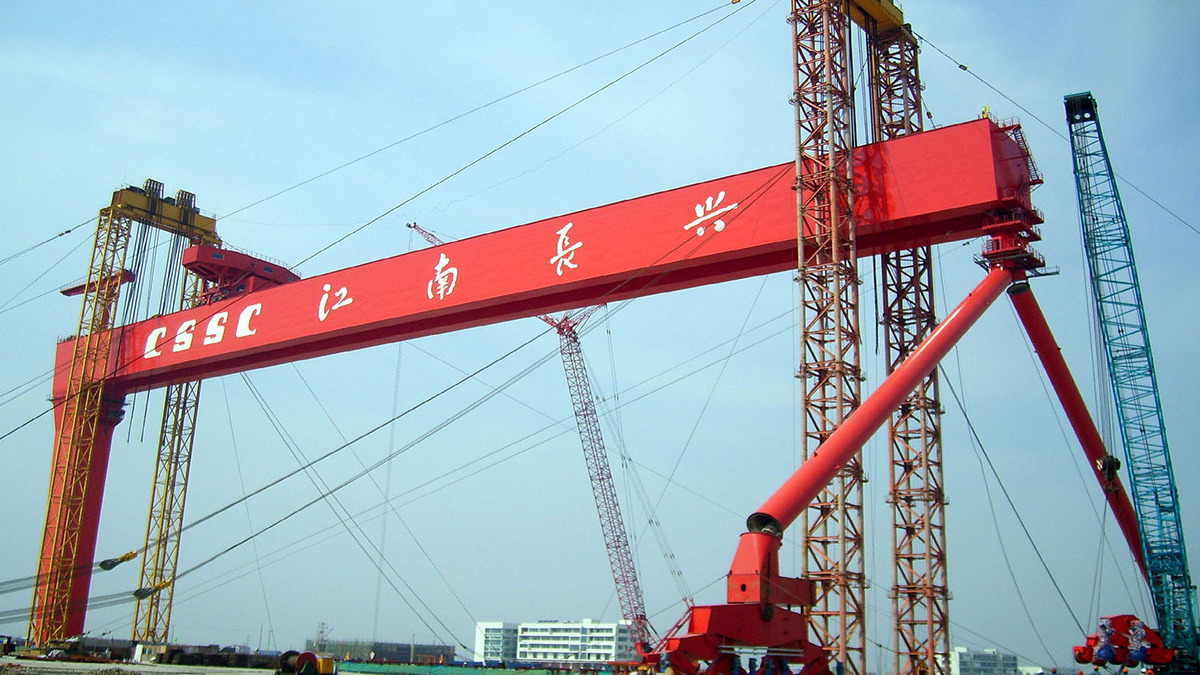
Chinese shipbuilders captured 80% of global bulk carrier orders last year, despite market uncertainty triggered by US tariffs and proposed port fees that reshaped ordering behaviour


The policy-driven uncertainty, combined with elevated newbuilding prices, limited slot availability and yards’ increasing preference for higher value-added vessels, contributed to more restrained global contracting activity.
According to BRS Shipbrokers, 504 bulk carriers amounting to around 51M dwt were ordered in 2025, representing a 16% decline in dwt terms compared with 2024. The number of vessels ordered fell to its lowest level in five years.
BRS noted that the dry bulk charter market remained sluggish in the first half of 2025, with the Baltic Dry Index hitting a 26-month low early in the year.
“This, together with the USTR uncertainty, significantly dampened shipowners’ willingness to place new orders,” BRS said.
At the same time, several shipyards previously focused on bulk carriers pivoted towards container vessels and tankers in pursuit of higher-margin contracts. For example, New Dayang Shipbuilding – traditionally a builder of Ultramax bulkers – began constructing feeder container ships and MR tankers last year.
Shift in ordering pattern
During the most turbulent period, from April to September 2025, ordering patterns shifted markedly as uncertainty surrounding the proposed port fees intensified.
Activity concentrated heavily in the Capesize and Supramax segments, which ultimately emerged as the most-ordered vessel types of the year.
Capesize orders rose sharply, with their share of total newbuilding contracts increasing from 18% in 2024 to 38% in 2025.
“This behaviour can largely be explained by the operating profile of large vessels, which are typically backed by long-term charters that do not involve US port calls,” BRS noted.
The Supramax segment displayed similar resilience. Orders placed between April and September accounted for 55% of total annual Supramax contracting, suggesting that US policy measures did not materially deter activity in this size class.
“This can be attributed in part to multiple exemption clauses embedded in the proposed sanctions framework,” analysts added.
Supramaxes also appear to have limited exposure to US routes. In 2025, voyages to the US accounted for just 5% of global Supramax trade volumes.
Panamax segment most exposed
By contrast, the Panamax segment (68,000-84,999 dwt) faced more pronounced headwinds, reflecting its central role in global grain trades and greater exposure to US-linked cargo flows.
BRS counted just 85 Panamax orders in 2025, with the segment’s share of total bulk carrier contracting declining by 9% year-on-year.
Between April and September, only 17 Panamax vessels were ordered. Of these, seven were contracted at shipyards in Japan and the Philippines, while the remaining 10 were placed outside Chinese yards by non-Chinese owners, thereby avoiding potential port fee exposure.
“Given that most Panamax vessels exceed 80,000 dwt and therefore do not qualify for exemption, this segment emerged as the most directly affected by US policy measures,” BRS explained.
Sign up for Riviera’s series of technical and operational webinars and conferences:
- Register to attend by visiting our events page.
- Watch recordings from all of our webinars in the webinar library.
Related to this Story

Events

Maritime Regulations Webinar Week
16 Dec 2025GMT - ONLINEFloating energy: successfully unlocking stranded gas using FLNGs and FSRUs
24 Feb 2026GMT - ONLINE
© 2024 Riviera Maritime Media Ltd.


