


Business Sectors
Business Sectors
Events
Contents

Register to read more articles.
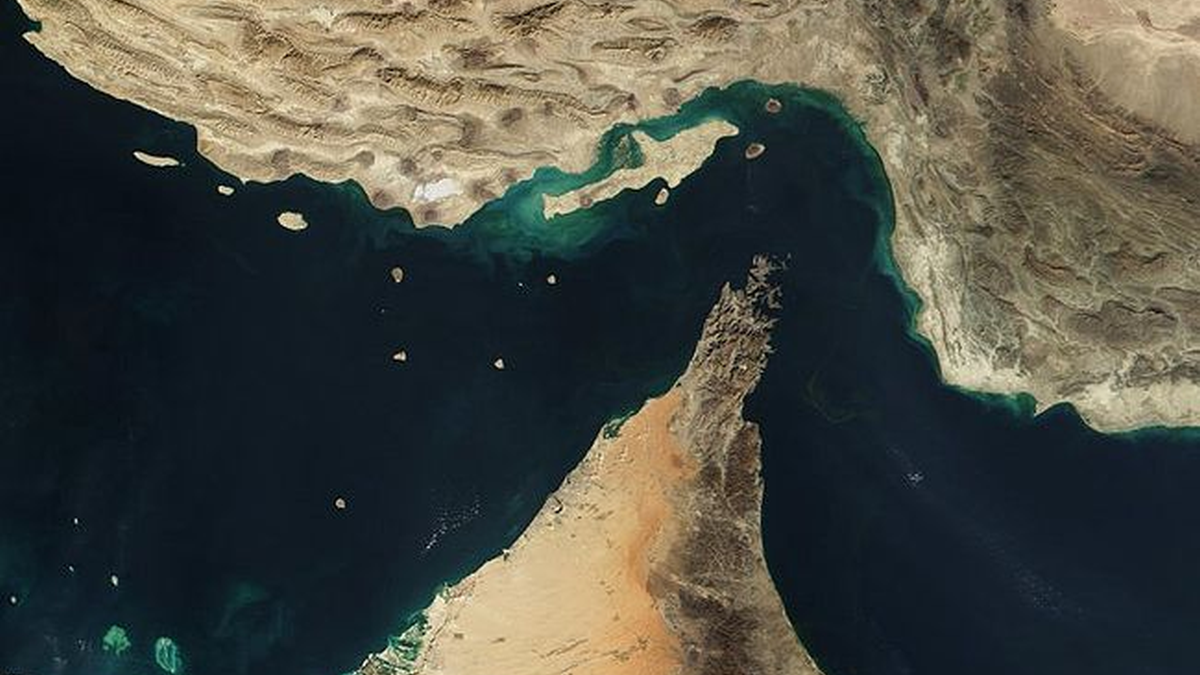
Over 140 tankers drawn into Middle East shuttle trade as risks persist
More than 140 tankers, the majority of them VLCCs, are now dedicated to the recently established Middle East shuttle crude trade, which is likely to remain in place over the medium to longer term, according to a brokerage firm analysis


In its latest weekly report, BRS Shipbrokers noted that the shuttle networks, which transport oil from export terminals within the Middle East Gulf to the Gulf of Oman and India’s west coast, where cargoes are subsequently transferred to other tankers for onward transportation, began developing in mid-April before gaining momentum in June.
The trade reflects the steps taken by Middle Eastern oil companies to maintain crude exports amid growing security risks in the Strait of Hormuz.
BRS described the development as a necessary response, given that the vast majority of private shipowners and charterers became unwilling to expose their vessels to the risk of attack following the closure of the Strait.
Middle East Gulf crude exports through Hormuz plunged from 16.3M barrels per day (b/d) in February to 1.7M b/d in March, the majority of which consisted of Iranian oil.
BRS estimates that a total of 141 tankers are now deployed exclusively to shuttle crude oil and petroleum products. VLCCs account for the largest share, representing 72% of all vessels involved in the trade.
“This reflects that around 80% of Middle East crude exports have historically been hauled by VLCCs and their improved economies of scale compared with Suezmaxes and Aframaxes remain attractive despite the short shuttle voyages,” BRS said.
Taking this into account, alongside the proportion of the VLCC fleet belonging to the ’grey’ fleet, the effective fleet available for mainstream trading is equivalent to just 68% of the vessels actively trading today. The last time the VLCC fleet reached such levels was in 2015.
Waiting times are also contributing to tighter tonnage availability. According to BRS, ship-tracking data suggests that the frequency of ship-to-ship (STS) transfers is causing significant delays for vessels both loading and discharging in the Gulf of Oman, with waiting times sometimes extending to several weeks.
Vessels appear to face longer delays when leaving the Middle East Gulf than when entering it. “This could reflect external threats, waiting on STS ships to be in position or even issues with selling the cargo,” BRS explained.
However, the shuttle trade appears to have become more efficient in recent weeks. Data suggests that the average time taken by shuttle tankers to enter the Middle East Gulf, load cargo and depart has fallen to 14 days, from 25 days in August, BRS noted.
Shuttling likely to remain in place over the medium to longer term
Commenting on the outlook for the trade, BRS said that even if a peaceful and sustainable resolution to the conflict were reached tomorrow, shuttle operations would likely remain a key feature of Middle Eastern tanker markets over the medium and potentially longer term.
“This reflects the likelihood that the security situation in Hormuz will remain unstable with Iran likely to flex its muscles in the Strait from time to time,” the brokerage firm explained.
Nevertheless, a peace deal could encourage more shipowners to send their vessels through Hormuz, potentially reducing demand for shuttle services.
“Regardless, it is also possible that, if they wished, oil exporters could introduce clauses requiring buyers to load in the Gulf of Oman rather than the Middle East Gulf,” BRS said.
“Considering the idea of a periodic Iranian threat, it would be folly for Middle Eastern exporters to completely dismantle or redeploy their shuttling networks especially considering that they have been assembled at great cost,” the analysis added.
Over the longer term, most regional producers are expected to build out pipeline networks and export infrastructure to bypass the Strait of Hormuz.
However, this may not necessarily eliminate demand for shuttle services, but rather shift it in response to changing security risks.
“For example, some crude exports from Yanbu are currently shuttled into the Mediterranean where they are transferred to other tankers for transport to end buyers,” BRS concluded.





Related to this Story

Events

Maritime Regulations Webinar Week
 16 Dec 2025
 GMT - ONLINE

Floating energy: successfully unlocking stranded gas using FLNGs and FSRUs
24 Feb 2026GMT - ONLINE
© 2026 Riviera Maritime Media Ltd.


