


Business Sectors
Business Sectors
Events
Contents

Register to read more articles.
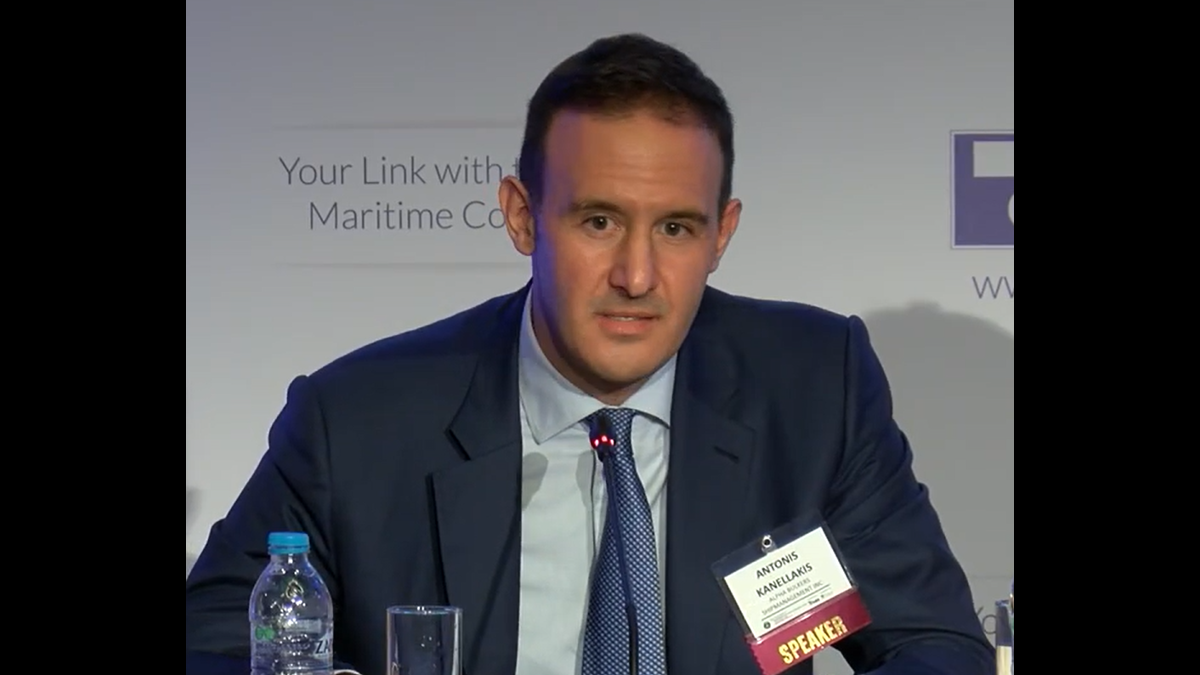
Pantheon Tankers' Antonis Kanellakis sees strong case for newbuildings
It makes sense to order newbuildings in the current tanker market, prominent Greek shipowner Antonis Kanellakis says, citing a constructive outlook for the sector


“Prices are high, but they are nowhere near 2008 levels. I am not saying it is cheap to build tankers, nor that it is an easy investment decision. However, given the current market backdrop, taking into account inflation, geopolitical developments and the price gap compared with resale vessels, it does make sense,” Pantheon Tankers, Alpha Bulkers and Alpha Gas executive director Antonis Kanellakis told Riviera on the sidelines of the Capital Link Maritime Leaders Summit held at the opening of Posidonia.
Asked about the growing orderbook, Mr Kanellakis acknowledged that it is substantial, but noted that the tanker market has changed significantly in recent months. The Middle East crisis has led to longer tonne-mile demand, with the US, Guyana and other major exporters supplying cargoes to more distant destinations.
He added that even if a lasting solution is found in the region, shipowners will think twice before trading in the Middle East, given the risk of future disruptions. As a result, the longer trading patterns established in recent months are likely to persist, keeping vessel supply relatively tight.
Mr Kanellakis also pointed to the large share of the global tanker fleet operating under sanctions, arguing that this further strengthens the case for investment in newbuildings, as fleet renewal remains necessary.
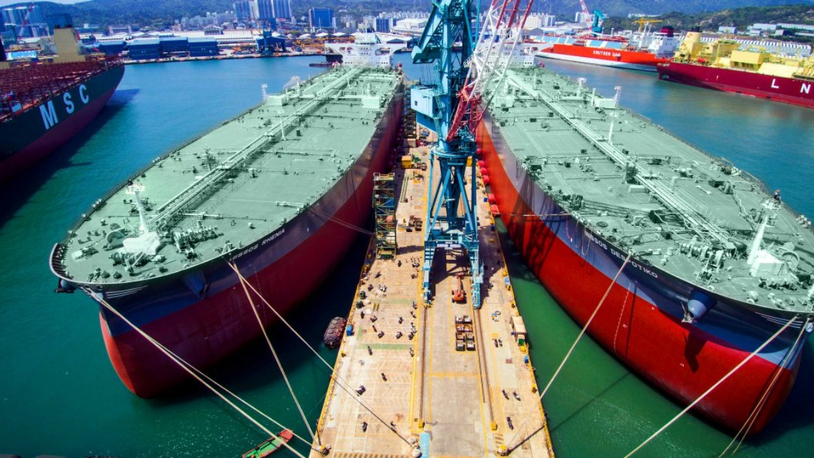
Pantheon Tankers’ strategy reflects this view, as the company is currently pursuing a newbuilding programme of 10 tankers, ranging from Suezmaxes to VLCCs.
Commenting on the ongoing International Maritime Organization (IMO) negotiations over a global emissions framework, Mr Kanellakis said that achieving consensus remains a difficult task.
While environmental regulations have taken a back seat amid the intensifying Middle East crisis, recent months have seen several major maritime nations and flag states put forward alternative proposals to the IMO’s Net-Zero Framework.
According to Mr Kanellakis, these proposals appear more lenient and are likely to face resistance, particularly from Northern European countries, making agreement even harder to achieve.




Related to this Story

Events

Maritime Regulations Webinar Week
 16 Dec 2025
 GMT - ONLINE

Floating energy: successfully unlocking stranded gas using FLNGs and FSRUs
24 Feb 2026GMT - ONLINE
© 2026 Riviera Maritime Media Ltd.


