


Business Sectors
Events

Floating energy: successfully unlocking stranded gas using FLNGs and FSRUs
 24 Feb 2026
 GMT - ONLINE
Contents
Register to read more articles.
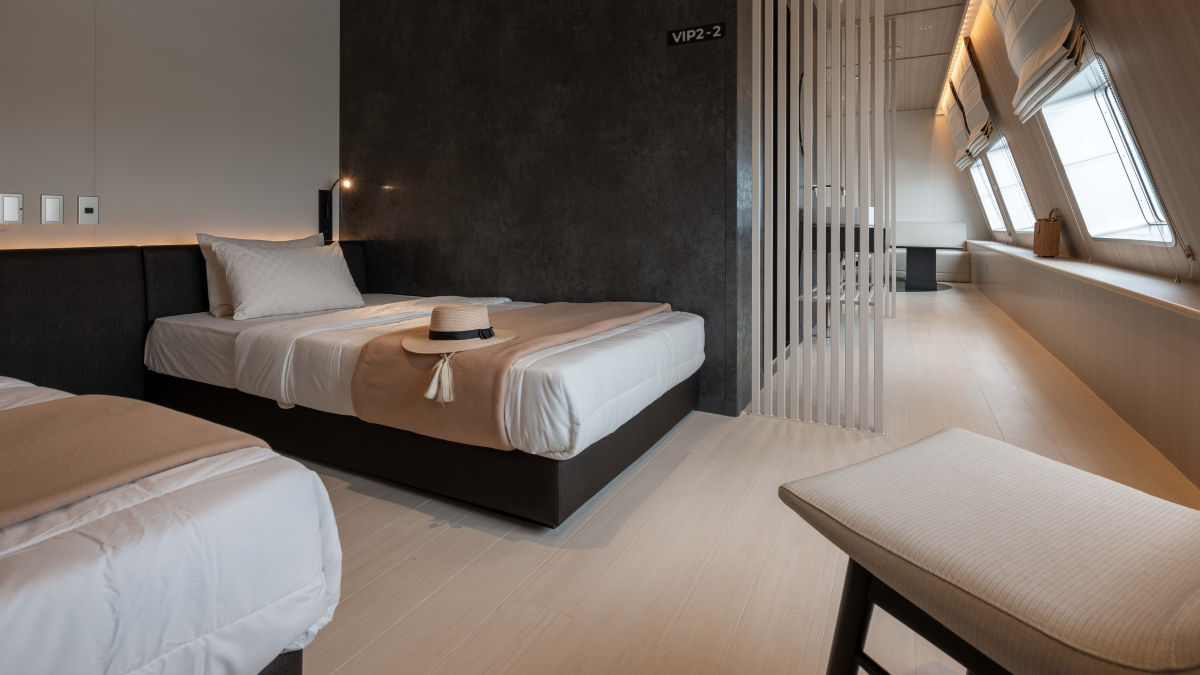
Penghu ferry: filling an ‘experience gap’
How a ferry in Taiwan has harnessed its design to boost passenger numbers


Taiwan’s Penghu ferry has filled a gap in regional travel and boosted passengers by huge numbers since its launch two years ago.
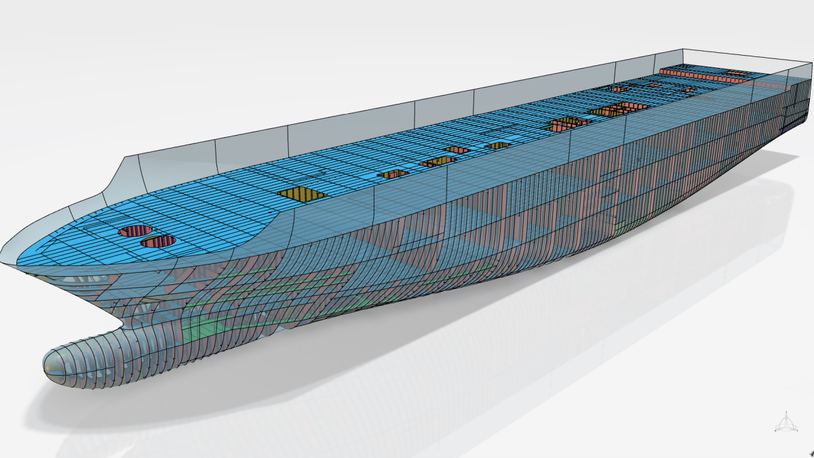
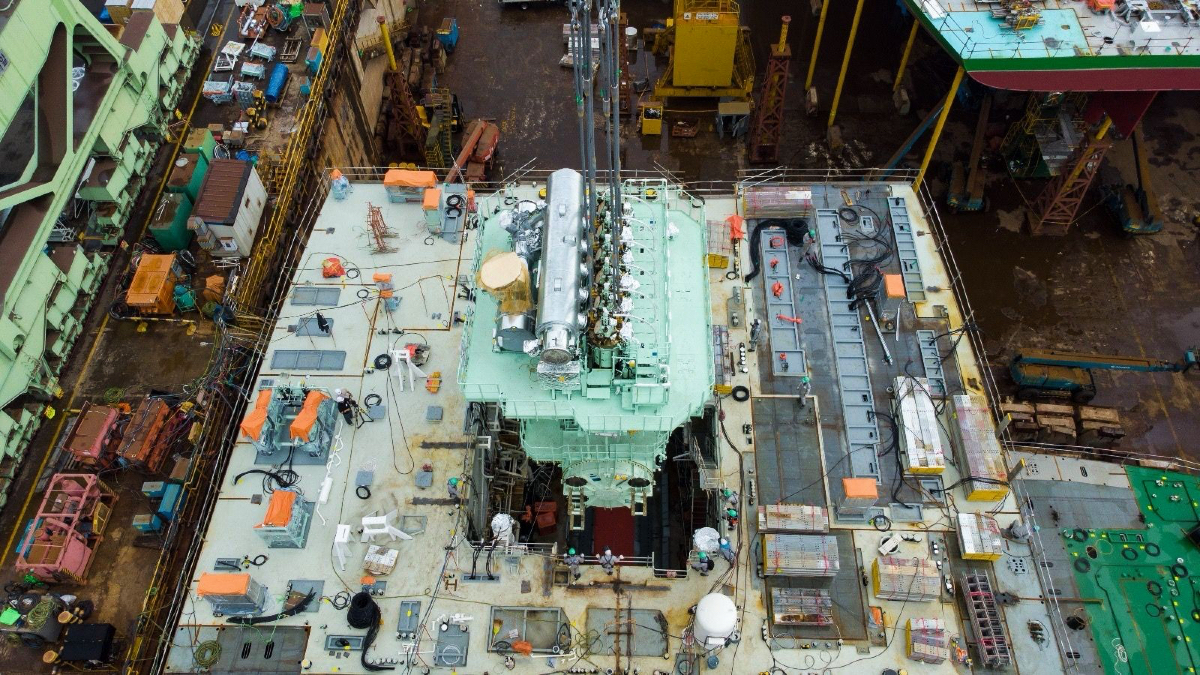
And integral to its success and a new way of travelling is the design of the ferry. The 120-m, 9,980-tonne roro cargo passenger ship was jointly designed by JC Architecture & Design, Taiwan and NSS Nagasaki Sempaku Sobi Co Ltd, Japan and constructed by Naikai Zosen Corp, Japan.
Penghu ferry was developed in response to two pressing problems. First, the experience gap in Taiwan’s regional travel. JC Architecture & Design explains Taiwan’s transport has long focused on speed and utility. While air and high-speed rail offer efficiency, they lack a human-scale journey. Penghu ferry fills this void by offering a slower, affordable and meaningful alternative that reconnects travellers with the voyage itself, making the journey part of the destination.
The second problem it helps overcome is transport resilience in island regions. As Taiwan faces increasing climate and seismic events, Penghu ferry strengthens the nation’s disaster-readiness. In 2024, the ferry played a vital role in earthquake and typhoon evacuations. It transported more than 6,700 passengers and 800 vehicles in just eight days. It’s not just a design statement, but an emergency lifeline.
For access to this full feature, please see Passenger Ship Technology Q4 2025

Related to this Story
Events

Maritime Regulations Webinar Week
16 Dec 2025GMT - ONLINEFloating energy: successfully unlocking stranded gas using FLNGs and FSRUs
24 Feb 2026GMT - ONLINE
© 2024 Riviera Maritime Media Ltd.


