


Business Sectors
Business Sectors
Events
Contents

Register to read more articles.
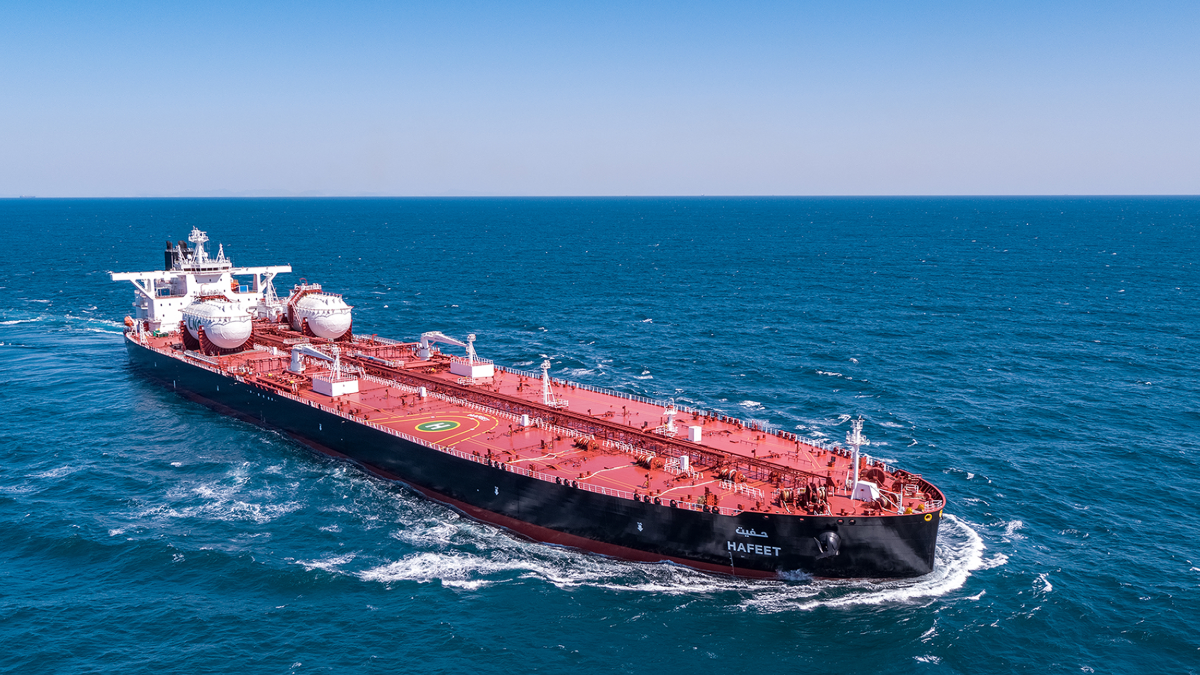
Red-hot VLCC market pushes secondhand prices above newbuilding costs
A “prompt delivery premium” has pushed secondhand VLCC prices to extraordinary levels, with vessels available for immediate delivery commanding prices well above the cost of newbuildings


The surge comes as Middle Eastern producers seek vessels to transport their oil amid the Strait of Hormuz crisis.
In its latest weekly tanker report, shipbroker and adviser Poten & Partners said a shipowner could order a new VLCC today for around US$130M. By contrast, a resale transaction for a vessel available for prompt delivery could reach US$235M, representing an 82% premium over the newbuilding price.
For buyers unwilling to pay that premium, alternatives include a five-year-old VLCC priced at around US$210M or a 10-year-old vessel at US$180M. According to Poten, even 15-year-old vessels are commanding prices above the cost of a newbuilding contract.
“In the current freight market, in which VLCCs can earn in excess of US$1M per day, there is an extreme prompt delivery premium,” Poten explained. “Secondhand vessels, which can be employed immediately in the current (red hot) market, are much more valuable than newbuildings for which you have to wait three years,” the analysis added.
Despite widespread rumours of a flurry of transactions, Poten suggested that relatively few deals have actually been concluded, as the gap between buyers’ and sellers’ price expectations remains wide.
“Shipowners with tonnage on the water make so much money that they are reluctant to sell their ship and with prices rising so much, so quickly, nobody wants to sell too soon. After all, prices may be higher tomorrow,” Poten added.
One way to bridge this gap is through forward sales, in which a price is agreed today for delivery at a later date, such as six months from now. This would allow sellers to continue benefiting from elevated freight rates before handing over their vessels.
“While you may not get the highest price, the owner will be able to continue to partake in the high freight market for a while longer,” Poten said.
Publicly listed shipowners could also use their shares as currency to facilitate transactions, Poten noted.
Geopolitical tensions fuel demand
Poten attributed the current spike in rates to recent geopolitical developments that have caused significant inefficiencies in the tanker market.
“This has created some unique circumstances. The only way for Middle East producers to get meaningful volumes of oil out of the Gulf is to participate in the Hormuz Shuttle Service,” the analysis noted.
However, amid continued attacks on vessels transiting the Strait of Hormuz, few independent shipowners are willing to expose their vessels and crews to the associated risks.
This has encouraged Middle Eastern producers to acquire additional tonnage so they can transport their oil using their own vessels. The resulting demand has pushed secondhand prices even higher, with vessels available for prompt delivery in the Middle East Gulf commanding a significant premium.
“The market shows eye-popping numbers for secondhand tonnage, but based on current rates, it does not take long to earn back the premium that you have to pay (if somebody is willing to sell you a ship),” Poten concluded.





Related to this Story


Events

Maritime Regulations Webinar Week
 16 Dec 2025
 GMT - ONLINE

Floating energy: successfully unlocking stranded gas using FLNGs and FSRUs
24 Feb 2026GMT - ONLINE
© 2026 Riviera Maritime Media Ltd.


