


Business Sectors
Business Sectors
Events
Contents
Register to read more articles.
Regulations drive wastewater developments
Wastewater solutions are being driven by stringent regulations, while a demand for compact, easy-to-use technology that is also suitable for smaller vessels is helping to shape this sector


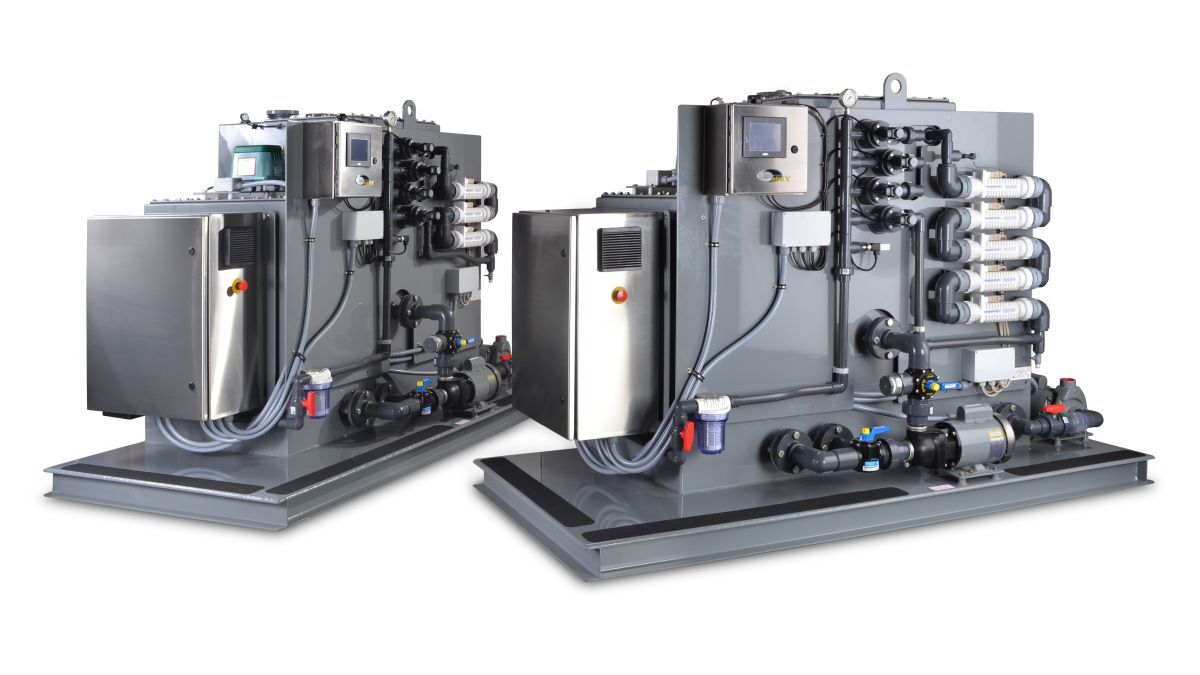
US-headquartered Headhunter has scooped a new contract for its Tidal Wave HMX sewage treatment plant.
The advanced marine waste-management solutions provider has been awarded the contract from Austal USA to provide a Tidal Wave HMX sewage treatment plant for three new expeditionary medical ships for the United States Navy.
Headhunter president Mark Mellinger says, “People want compact, reliable, easy-to-use technology that meets or exceeds the most stringent current regulations. The Tidal Wave HMX is approved by the USCG and Bureau Veritas to meet MEPC.227(64) including section 4.2, which details nutrient reduction of wastewater for passenger vessels operating in special areas such as the Baltic Sea. There are very few devices on the market with this high-level approval.”
Headhunter says a standout feature of the Tidal Wave marine sewage treatment systems is its compact design. It says, “In the confined spaces of a ship or offshore platform, traditional large-scale sewage treatment plants are impractical. Headhunter’s Tidal Wave HMX series can fit any vessel size or type, from small fishing boats and yachts to complex vessels such as a high-speed hospital ship.
“Moreover, the systems are built with user-friendliness in mind, offering straightforward maintenance and a long operational life. This ease of use is particularly valuable in the marine industry, where crew members often handle the systems and need solutions that don’t require specialised knowledge for routine operation and upkeep.”
Dehydration technology
Evac Group has launched Dehydro, an onboard waste management system designed to meet the specific needs of smaller vessels.
Evac’s Dehydro system brings advanced waste management treatments to smaller vessels by using dehydration technology. The company explains traditional onboard waste systems typically require high volumes of wet waste to be cost-effective, which makes them impractical for smaller vessels. The Dehydro system makes onboard waste treatment viable for smaller ships, reducing the need for overboard discharge or costly offloading to land-based facilities. This significantly reduces waste volumes, helping vessels meet increasingly stringent environmental standards and delivering a cost-effective solution.
Evac’s Dehydro system reduces wet waste volumes by approximately 80% through its dehydration process, transforming wet waste into a sterile, dry powder. This eliminates the need for additional treatment and simplifies offloading, making waste management easier and more cost-effective through its compact design, which is suited to vessels producing between 50 and 1,000 kg of wet waste per day. This includes ferries, passenger vessels and large yachts.
Evac Group chief executive Björn Ullbro says, “Direct discharge of untreated waste poses a serious threat to aquatic life by depleting oxygen levels. Most onboard waste treatment systems require high volumes to be cost effective, leaving smaller vessels without viable options. With increasing regulatory pressures, owners are calling for more innovative and sustainable solutions to the challenge of onboard waste treatment and storage. Dehydro answers that call, with advanced dehydration technology for operators of smaller vessels.
Sign up for Riviera’s series of technical and operational webinars and conferences:
- Register to attend by visiting our events page.
- Watch recordings from all of our webinars in the webinar library.
Related to this Story

Events

Maritime Regulations Webinar Week
 16 Dec 2025
 GMT - ONLINE
Floating energy: successfully unlocking stranded gas using FLNGs and FSRUs
24 Feb 2026GMT - ONLINE
© 2026 Riviera Maritime Media Ltd.


