


Business Sectors
Events

Floating energy: successfully unlocking stranded gas using FLNGs and FSRUs
 24 Feb 2026
 GMT - ONLINE
Contents

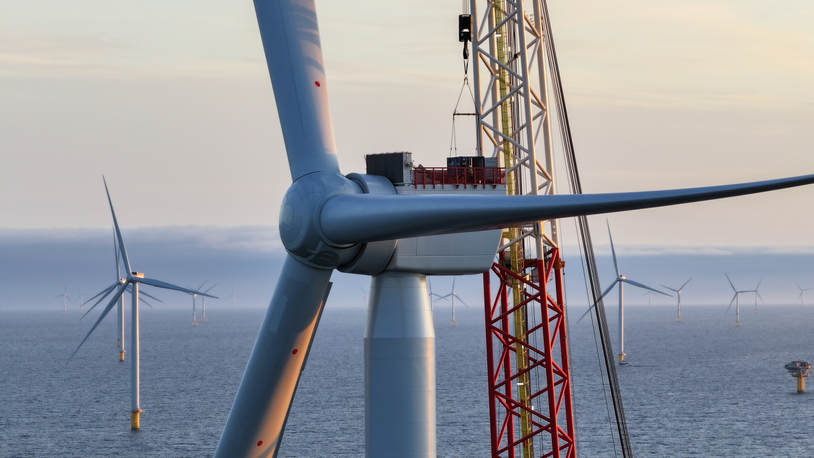
Report reiterates significant opportunities from offshore wind in Canada
Net Zero Atlantic has released a report on Phase 1 of a two-year, three-part project assessing the scale of the opportunity presented by the development of offshore wind on Canada’s Atlantic coast


Described as the first study of its kind in Atlantic Canada, Atlantic Canada Offshore Wind Grid Integration and Transmission Study, is the first part of a C$6.0M (US$4.4M) research project funded by the Energy Innovation Program (EIP) managed by Natural Resource Canada’s Office of Energy Research and Development (OERD).
Phase 1 of the project has evaluated pathways to market for offshore wind. Phase 2 will characterise Atlantic Canada’s offshore wind resource and consider grid integration challenges and costs. Phase 3 will develop a transmission expansion plan to integrate offshore wind.
The Phase 1 report finds that offshore wind can meet significant regional electricity demand in Atlantic Canada, serving the growing load and reducing fossil fuel dependence, including during winter periods in which demand is highest in the Atlantic provinces. It notes regional electricity demand may grow nearly 30% between 2025 and 2050, based on utility estimates of electrification.
“High-quality offshore wind resources could support this transition in the mid to late 2030s and beyond, with the highest output during the winter months of December to March when growing loads will continue to stress the system,” said the authors of the report, noting by 2040, offshore wind could support about 25% of regional electricity demand.
Given decarbonisation targets across the northeast US and Canada, Atlantic Canada’s high-performing offshore wind resources could serve GW-scale clean-energy demands in New England and central Canada, the report states. “Like Canada, most New England states have decarbonisation targets aligned with net zero, requiring a substantial reduction in fossil fuel reliance. Many New England planning scenarios project a need for at least 100 GW of clean electricity generation capacity,” said the authors of the Phase 1 report.
“Other markets, such as Québec and Ontario, could also benefit from the diversity offshore wind provides. However, large-scale exports will require significant new transmission to these other regions of Canada or across the US border.”
The Phase 1 report also highlights offshore wind’s potential to help grow the nascent green hydrogen industry in Atlantic provinces, but notes building an offshore wind industry “requires substantial investment to reduce project costs, which today have capital costs roughly double land-based wind projects.”
The report also concludes that to maximise regional benefits of large-scale offshore wind development, co-ordinated transmission investment will be essential for ensuring efficient power delivery to load, both within the Atlantic Provinces and to neighbouring regions.
Sign up for Riviera’s series of technical and operational webinars and conferences:
- Register to attend by visiting our events page.
- Watch recordings from all of our webinars in the webinar library.

Related to this Story


Events

Maritime Regulations Webinar Week
16 Dec 2025GMT - ONLINEFloating energy: successfully unlocking stranded gas using FLNGs and FSRUs
24 Feb 2026GMT - ONLINE
© 2024 Riviera Maritime Media Ltd.


