


Business Sectors
Business Sectors
Events
Contents
Register to read more articles.

Romania could have up to 7 GW of offshore wind capacity by 2035
The government of Romania has published a roadmap to help realise the vast potential of offshore wind in the country’s waters


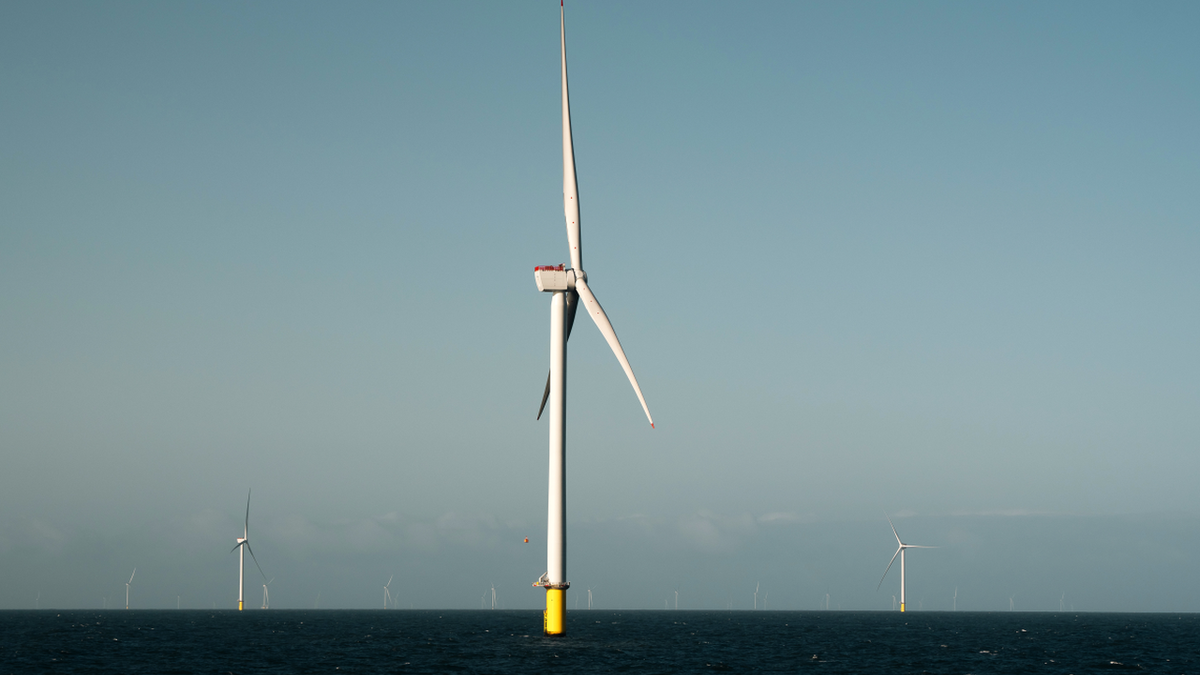
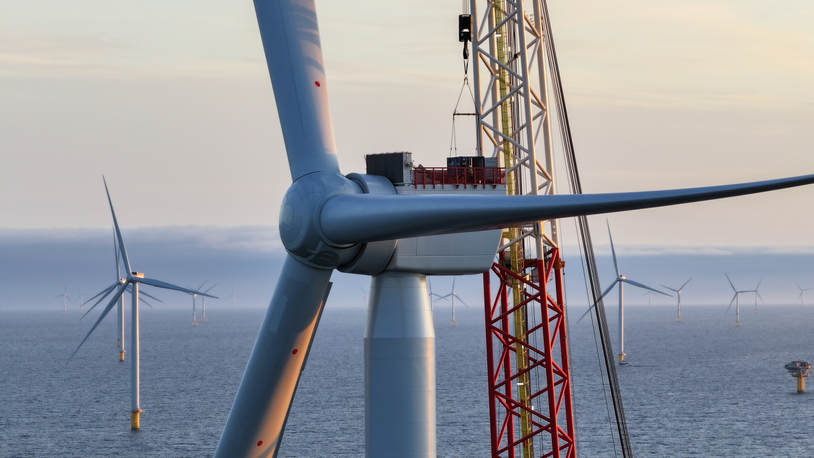
The roadmap highlights the potential for up to 7 GW of offshore wind capacity to be installed within Romania’s exclusive economic zone in the Black Sea. It explores the impact of two different offshore wind growth scenarios located at least 50 km from shore and situated predominantly in shallow waters suitable for fixed-bottom foundations.
Produced with assistance from the European Commission and the World Bank Group, the roadmap is part of a project ‘Internal energy market and energy transition in Romania’, which received technical support from the European Commission’s Directorate General for Structural Reform Support (DG REFORM).
The project was funded by the European Union via the Technical Support Instrument and was implemented by the World Bank and International Finance Corporation (IFC), with the support of DG REFORM and in collaboration with the government of Romania. The roadmap provides strategic analysis and outlines a realistic vision for the development of a successful offshore wind industry.
The authors of the report say a good wind resource, well-equipped port facilities, proven steel-based supply chain and skilled local workforce mean offshore wind offers Romania a large-scale domestic source of clean energy. The emerging industry also presents new opportunities for long-term jobs and holds potential to bolster economic growth across a prospective Black Sea regional market for renewables.
The scenarios outlined in the report chart two realistic paths for Romania to meet its future electricity needs. The first, a ‘Low growth’ scenario, assumes 3 GW of offshore wind power is installed to supply 16% of Romania’s electricity needs (by TWh) by the end of 2035. In this scenario, it is estimated supply chain activities would create €1.4Bn (US$1.5Bn] gross value added to the local economy in this period.
The ‘High growth’ scenario assumes 7 GW of offshore wind capacity is installed to supply 37% of Romania’s electricity needs by the end of 2035. In this scenario, it is estimated supply chain activities would create €5.3Bn (US$5.9Bn) gross value added to the local economy in this period, 3.7 times as much as in the low growth scenario.
To achieve these scenarios, the roadmap highlights priority themes and recommended actions for the government of Romania to consider. This includes further clarity on energy strategy with targets for offshore wind deployment up to 2035; the establishment of development zones in the most suitable locations; viable frameworks for licensing, leasing, permitting and offtake; significant upgrades of the transmission network; and support to key areas of Romania’s supply chain.
Romania Minister of Energy Sebastian-Ioan Burduja said, “The study conducted by the World Bank highlights the potential of offshore wind energy in the Black Sea and the opportunities for Romania’s economic and energy development.
“The roadmap can play a crucial role in strengthening Romania’s energy security and facilitating the transition to a green economy, in line with the objectives of the European Union.”
Mr Burduja said the recent adoption of Law 121/2024 on offshore wind energy, supported by the roadmap, “creates a solid legal foundation for the development of this sector, while taking utmost care for environmental protection measures in the production areas.”
The Minister noted that developing appropriate financing mechanisms will support the creation and expansion of offshore wind, as well as the necessary infrastructure.
“The success of offshore wind projects depends on international co-operation and I am grateful for the close collaboration with the World Bank and European Union to help achieve our renewable energy goals,” the Minister said. “Collaboration with international stakeholders and other countries in the Black Sea region will enable technology transfer and the development of joint projects, supporting the integration of offshore wind into regional grids in the following years.”
European Union director for support to member state reforms, Nathalie Berger, said she is convinced the initiative “will provide certainty to investors and boost clean and affordable energy for citizens and companies throughout Romania. This initiative also contributes to Romania’s efforts in meeting the European Green Deal targets.”
World Bank offshore wind programme co-lead Sean Whittaker said the analysis in the roadmap “makes it clear the Black Sea is a promising new frontier in European offshore wind and presents significant untapped potential to meet Romania’s long-term renewable energy goals.”
Mr Whittaker said the relatively shallow coastal waters offshore Romania “make it technically and economically easier to install wind turbines.” He also noted that Romania’s position in Europe “allows access to large parts of the European energy market, helping integrate offshore wind into regional grids in the future.”
Riviera’s Offshore Wind Webinar Week will be held 4 November 2024. Click here to register for this free-to-attend event.


Related to this Story
Events

Maritime Regulations Webinar Week
 16 Dec 2025
 GMT - ONLINE
Floating energy: successfully unlocking stranded gas using FLNGs and FSRUs
24 Feb 2026GMT - ONLINE
© 2026 Riviera Maritime Media Ltd.


