


Business Sectors
Business Sectors
Events
Contents

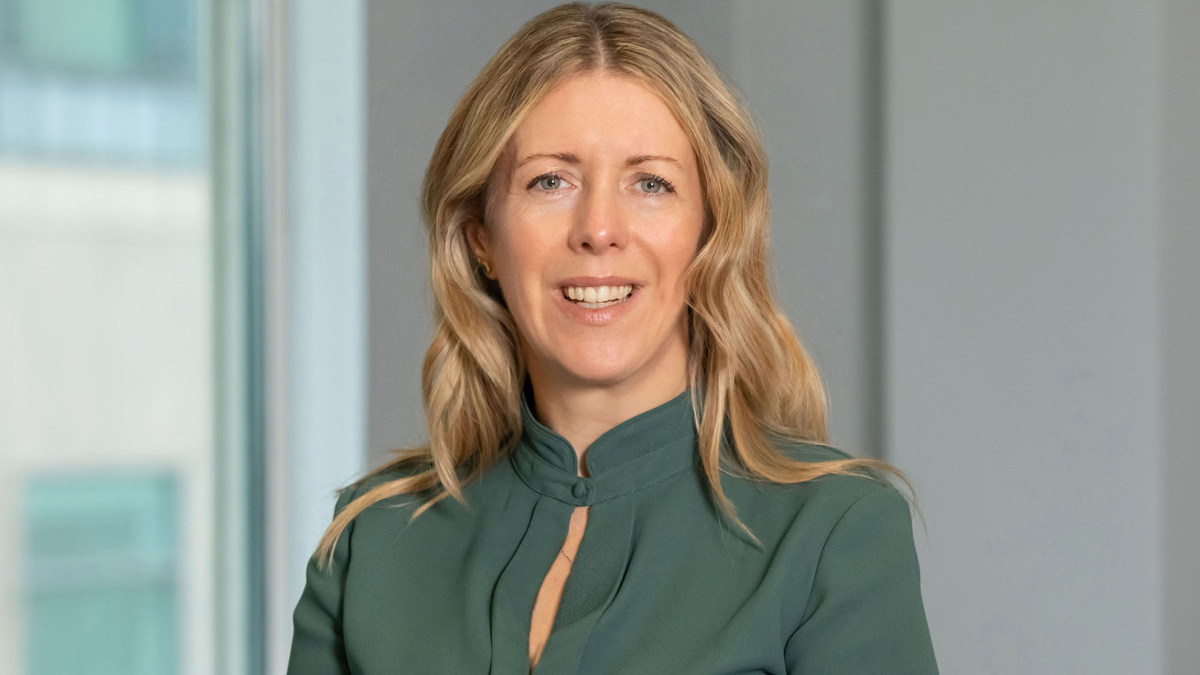
Shipping's Poseidon Principles creates Advisory Council, names Lindsey Keeble chair
Shipping’s primary climate alignment and disclosure framework has expanded and is considering extending its activities to crew welfare and biodiversity


Watson Farley & Williams (WFW) managing partner Lindsey Keeble has been appointed chair of the new Advisory Council of the Poseidon Principles, during a phase in which the shipping finance initiative is expanding its membership and governance structure.
The Poseidon Principles’ new advisory council will provide industry input to the Poseidon Principles Association and help guide the framework’s future development.
The council is made up of senior representatives from major shipowners and influential industry stakeholders, alongside the Association’s chair and vice chair. Members will serve two-year terms, meeting two to three times annually, the group said.
Ms Keeble is joined on the council by GasLog CFO Achilleas Tasioulas, Hoegh Autoliners CEO Andreas Enger, Navios CEO Angelika Frangou, Seaspan chairman Bing Chen, MOL (Europe) head of strategy and decarbonisation Bruce Moore, CLIA CEO Bud Darr, Star Bulk Carriers chief strategy officer Charis Plakontonaki, Marine Metals CEO Hugo de Stoop, Cargill Ocean Transportation global head of operations and Sea Cargo Charter chair James Lewis, DNV Group CEO Knut Ørbeck-Nilssen, Pacific Basin CEO Martin Fruergaard, DTU senior scientist Mary Wisz, Citi (London) vice chairman Michael Parker, Breeze chief insurance officer and IUMI representative Patrizia Kern, and Knutsen CEO Synnove Seglem.
Ms Keeble said she was honoured by the appointment and looks forward to helping ensure the principles remain practical, relevant and effective in advancing shipping’s sustainability ambitions. WFW said it has been involved since the initiative’s development in 2019, providing legal oversight and drafting input.
Established to support the International Maritime Organization’s (IMO) ambition of net-zero greenhouse gas emissions from international shipping by or around 2050, the Poseidon Principles provide a framework for financial institutions to measure and disclose the climate alignment of their shipping portfolios.
Signatories assess the emissions intensity of vessels they finance against IMO-aligned decarbonisation trajectories, using vessel-level data including fuel consumption and distance travelled. The framework’s four principles cover assessment, accountability, enforcement and transparency, requiring consistent measurement, contractual cooperation with clients and an annual public disclosure of portfolio alignment.
The Poseidon Principles has recently expanded its scope beyond traditional bank lending, with associate membership opened to private equity firms, hedge funds and capital markets underwriters in December 2025. The move aims to bring greater transparency to other sources of maritime finance, although associate members do not initially face the same reporting obligations as full signatories.
The Association is also considering extending the framework beyond climate alignment to cover areas including crew welfare and biodiversity, with work under way to identify practical and measurable indicators.
The new Advisory Council adds another layer to the initiative’s governance, providing a formal channel for shipowners and other stakeholders to influence its direction.




Related to this Story

Events

Maritime Regulations Webinar Week
 16 Dec 2025
 GMT - ONLINE

Floating energy: successfully unlocking stranded gas using FLNGs and FSRUs
24 Feb 2026GMT - ONLINE
© 2026 Riviera Maritime Media Ltd.


