


Business Sectors
Business Sectors
Events
Contents

Register to read more articles.
SIRE 2.0 is here; are you ready?
The phase-in of SIRE 2.0 continues to raise questions among owners and operators


The Ship Inspection Report Programme (SIRE 2.0) is now being introduced into the tanker industry and judging by the interest shown to the subject at the recent International Tanker Shipping & Trade Conference in Athens in November 2023, its arrival may not be plain sailing.
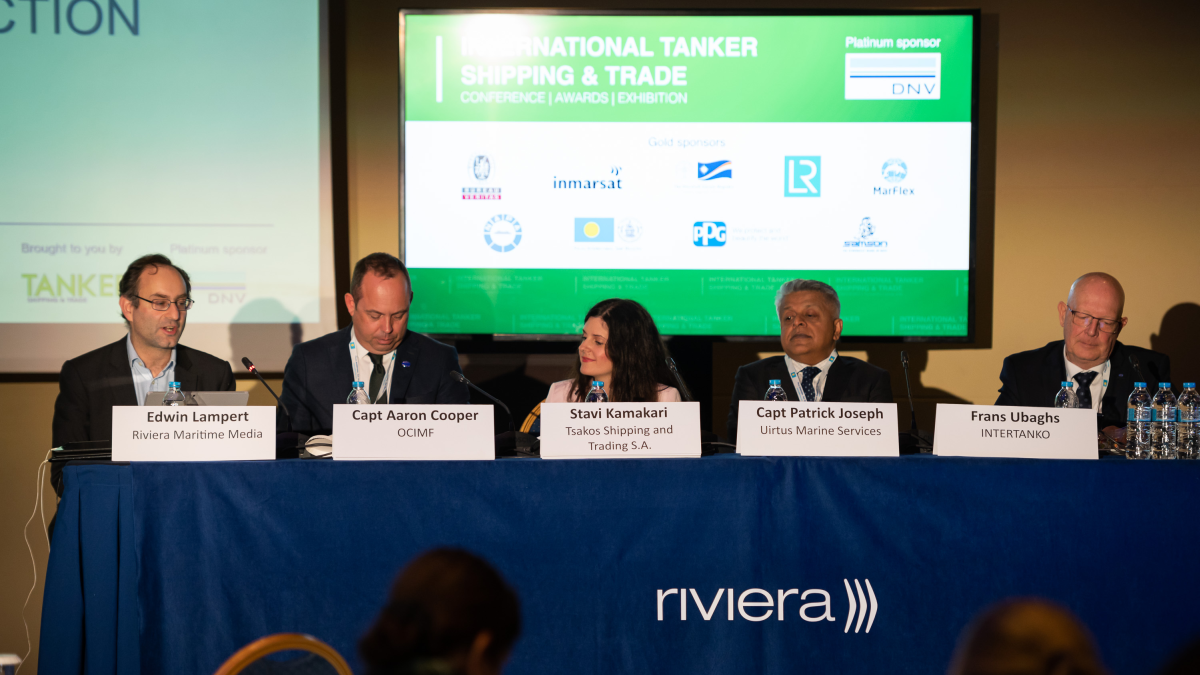
During the conference, a panel discussion addressed the subject, featuring OCIMF AFNI programmes director, Aaron Cooper, himself a driving force behind the introduction of SIRE 2.0, and Tsakos Shipping & Trade, senior vetting officer, Stavi Kamakari.
Providing input from the client side was Uirtus Marine Services director, Capt Patrick Joseph, who had been head of vetting at BP and was a leading light behind the development of SIRE; he now advises clients on the transition to SIRE 2.0. Rounding off the panel was INTERTANKO’s senior vetting manager, Frans Ubaghs, who has worked closely with OCIMF on developing SIRE 2.0.
Statistics show that since the introduction of SIRE, incidents have decreased. “People make mistakes,” said Mr Cooper, “and people will continue to make mistakes. Mistakes are rarely malicious, but we need to understand the root causes. We want to increase our focus on significant risks.”
“The programme considers seafarers in the context of the vessel and its operations”
SIRE 2.0 is being rolled out in four stages and Tsakos Shipping & Trade has been taking part in testing at stage two. Ms Kamakari said: “We strongly recommend for tanker operators not to wait for an inspection to be arranged. [They should] keep the pre-inspection data updated.” Ms Kamakari added that the pre-inspection element shall be completed by the operators no later than forty-eight hours before the SIRE 2.0 inspection. She said that a declaration has to be made that all information is accurate and up-to-date, including photographs. These will be verified by the inspector and a difference between the image and reality could lead to a negative observation. She suggested resisting the urge to include only the best images as an inspector will not find these representative when he or she goes onboard.
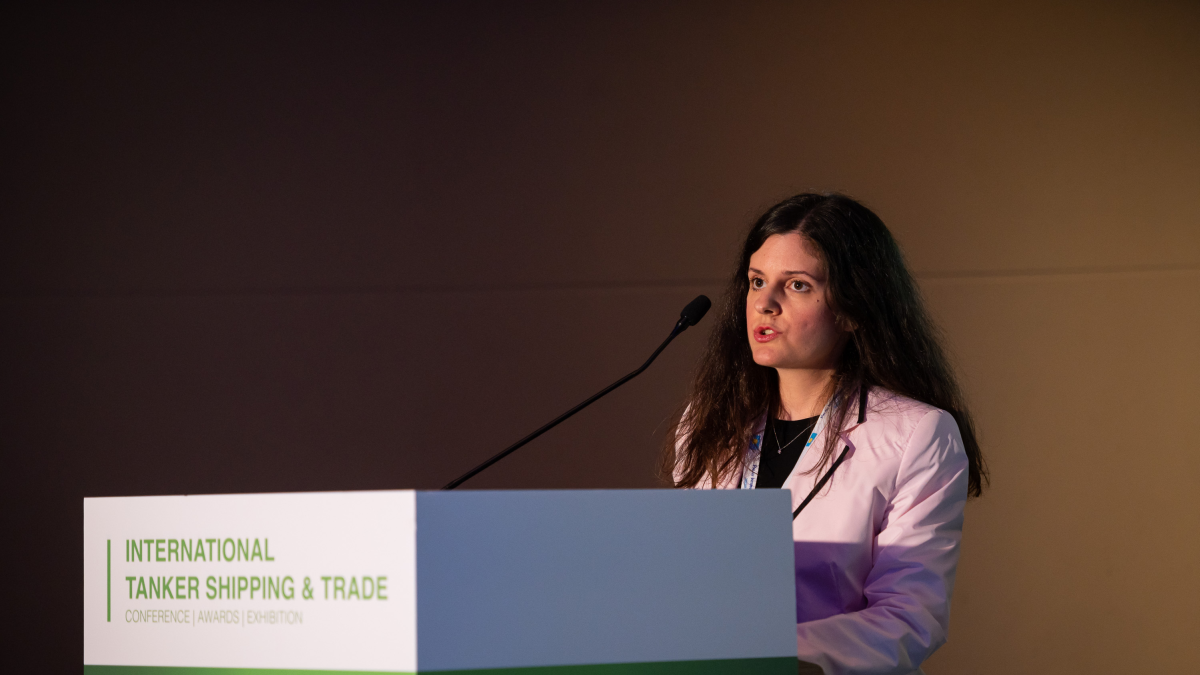
Ms Kamakari noted that owners will need to develop an accurate internal reporting system to ensure core observations are noted and, where required, remedial action is taken and recorded. Ms Kamakari recommended that a gap analysis should be undertaken between a company’s procedures and SIRE 2.0 contents and this should be aligned with internal superintendent checklists to SIRE 2.0.
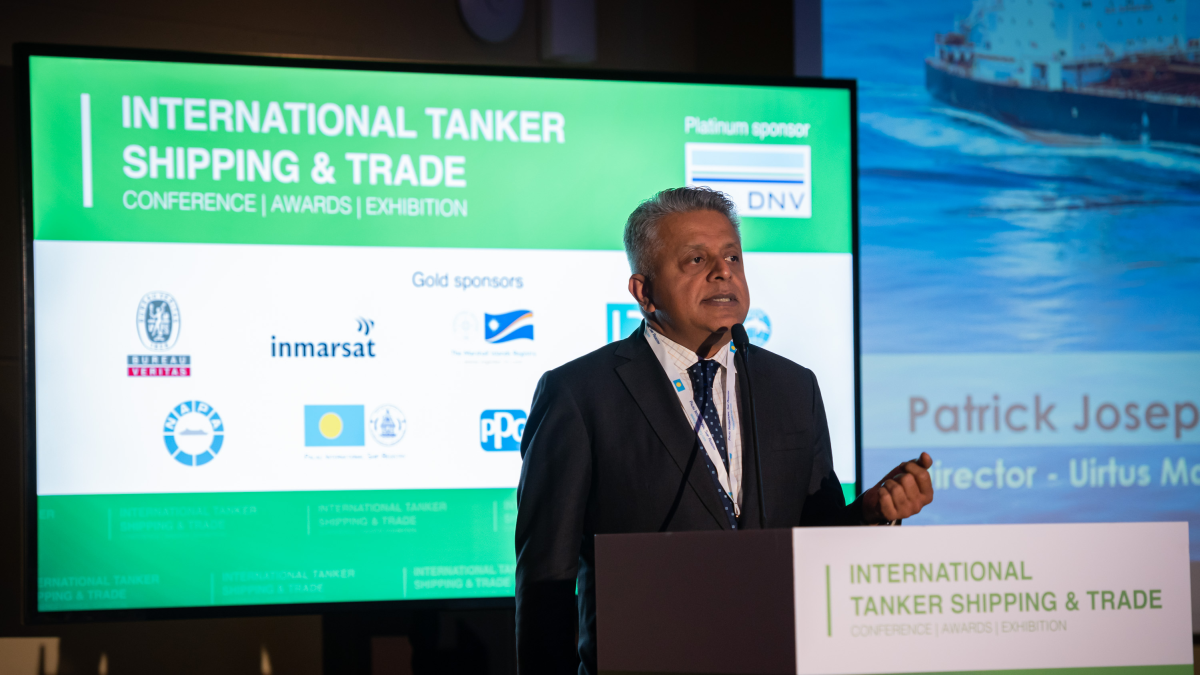
Capt. Joseph, who has been working with companies to transition to SIRE 2.0, noted that many owners underestimate the task. He gave the example of the ship’s incinerator. “The inspector is expected to review the company procedure for operating the incinerator and review the risk assessment,” he said. “I found that many tanker operators do not have a risk assessment on board for operating the incinerator. They have to write a procedure for operating the incinerator, conduct a risk assessment, and have that risk assessment available on board, [then] train the people who use the risk assessment. These things take time and resources,” he said.
“Mistakes are rarely malicious, but we need to understand the root causes”
He added that from the inspection samples he has available, the two main contributors to negative observations were recognition of safety criticality of the task or associated steps, and customs and practises surrounding use of procedures.
Mr Ubaghs took the opportunity to introduce INTERTANKO’s Seafarers practical guide to SIRE 2.0. This has one page (where possible) per question from SIRE 2.0 so that seafarers can readily identify if the question relates to hardware or human processes, and if it is a core question or a rotational question. He said: “It is so important to be aware which questions are core questions.” There will also be an electronic version.
Questions from the floor of the conference centred on timings. Mr Cooper said that SIRE 2.0 is complex and cannot be rushed. SIRE 2.0 stage two is coming to an end, with the aim of stage three to commence around mid-January 2024. Had it been a paper-only exercise, the introduction could have been sooner, but OCIMF members wanted to go down the digital route and leverage technology.
Another question concerned images and suggested that this might not be beneficial. Ms Karamaki replied: “Why be afraid of this? If you operate well-maintained ships and have good quality seafarers and a good team ashore, there is nothing to be afraid of following the new mindset promoted by the SIRE 2.0.”
Why was SIRE 2.0 needed at all?
MIS Marine is working with OCIMF to support the SIRE 2.0 progamme and managing director, Dominic McKnight Hardy, explained that while incident numbers are plateauing, the next logical step to achieve the OCIMF goal of continuous improvement is the human element.
Mr McKnight Hardy said: “The new human element aspect of the inspection programme seeks to consider seafarers in the context of the vessel and its operations – are they stressed, fatigued, able to speak out, empowered? This new aspect is built on the premise that people do not fail on purpose, and trying to understand the challenges that may provide the potential for failure.”
He added: “From a technical point of view, a big change to the inspection programme is the transition to a tablet-based process. This change has allowed for a more responsive, data driven inspection process. No longer will inspections be ‘one size fits all’, evaluated based on the number of observations recorded by the inspector. The granular detail now captured provides the opportunity to generate vessel-/type-/industry-wide analytics and perform root-cause analysis of issues. In addition, inspections can now be adjusted to focus on arising areas of concern, allowing the industry to transition from reactive to proactive in its attempts to mitigate risk early on.”
The tablet-based SIRE 2.0 approach will bring about improved efficiency. “There will now be less time spent on bridge admin. Certificates and documents will now be uploaded electronically in advance by the vessel operator, as opposed to being reviewed by the inspector onboard,” he said.
But the actual time spent onboard will not radically shorten; rather, it will be spent with a greater focus on the crew. It will also greatly benefit the inspection of larger vessels.
“A further benefit lies in inspections now being digitalised,” said Mr McKnight Hardy. “Allowing for the creation of manageable data, charterers and operators can now aggregate data and spot trends across fleets, for example, human behaviour, hardware, or process failures. The granularity of data will allow for the improved understanding of recurrent failures and root causes, allowing for positive mitigation action to be taken.”


Related to this Story

Events

Maritime Regulations Webinar Week
 16 Dec 2025
 GMT - ONLINE
Floating energy: successfully unlocking stranded gas using FLNGs and FSRUs
24 Feb 2026GMT - ONLINE
© 2026 Riviera Maritime Media Ltd.


