


Business Sectors
Business Sectors
Events
Contents
Register to read more articles.
Strong subsea market needs newbuild orders
Offshore subsea markets are booming worldwide with huge demand for vessels and engineering assets but a shortage of both, says Strategic Offshore Research managing director Ian McIntosh


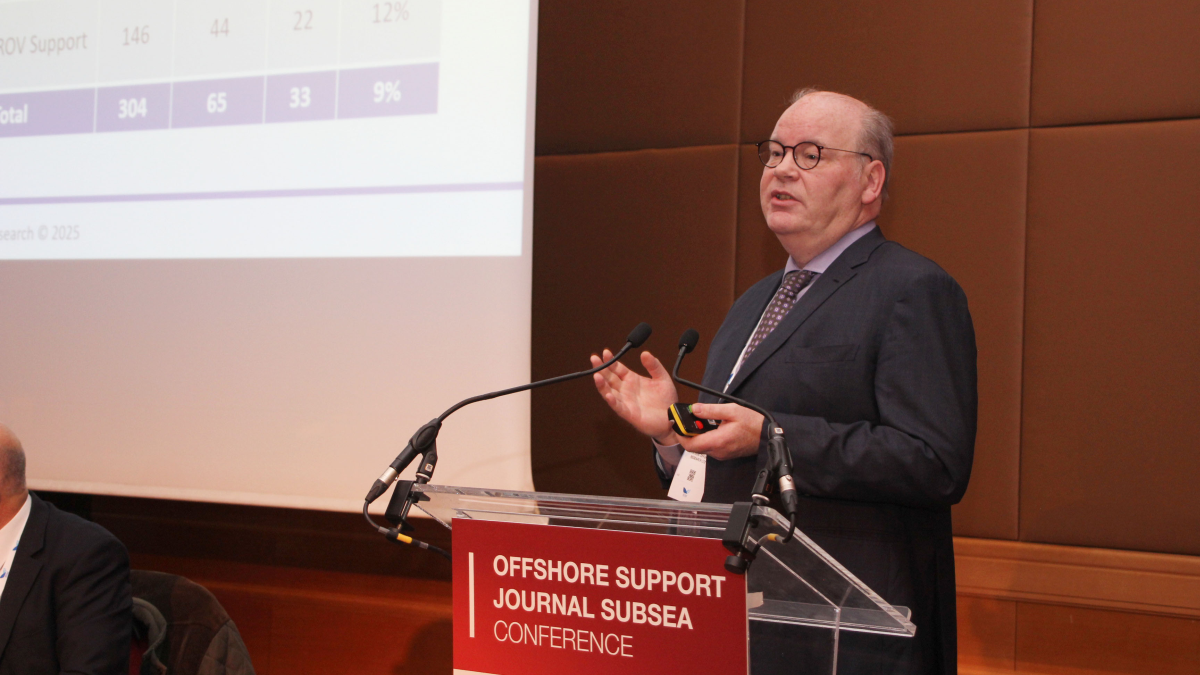
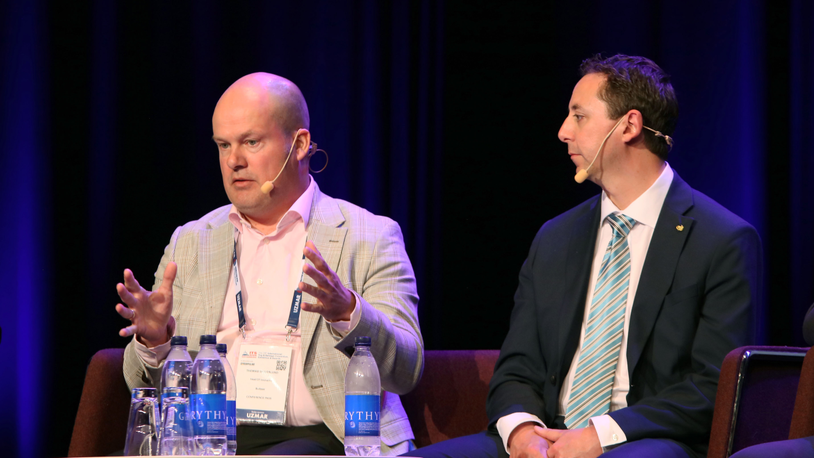
Strategic Offshore Research managing director Ian McIntosh offered an overview of the subsea market and said demand for subsea support vessels will remain high for at least five years driven by deepwater developments in Brazil, the US Gulf and West Africa and rising maintenance requirements and decommissioning in the North Sea and Asia.
Energy companies are increasing investment in offshore oil and gas developments with more projects undertaken in deepwaters requiring networks of subsea infrastructure connected to floating production systems, Mr McIntosh said. There are also several projects in many basins worldwide involving subsea tie-backs of satellite fields to hub production systems, and a rise in maintenance and repair of seabed infrastructure requirements worldwide.
"Demand for oil and gas continues to rise. It is a strong market with increasing spending. There is a lot of money in the market with high levels of spending on new developments," Mr McIntosh said in a presentation at the Offshore Support Journal Subsea Conference in London on 3 February, 2025.
Subsea vessel market saturation point and financing sources
Braemar Shipbroking managing director and global head of offshore energy services Edward Molyneux said a vessel shortage for subsea construction support and maintenance means that the recent rise in newbuilding orders will be easily absorbed in the forecasted market.
Mr Molyneux said there are 22 vessels on order to support deployment of remotely operated vehicles (ROVs) for subsea maintenance and construction work, and just one diving support vessel under construction.
"The market can absorb these newbuildings and there is room for more subsea vessels to be built," he said. "It is a sold-out market, and with 60% of the fleet over 15 years old, there is a need for more newbuilding ordering."
Mr Molyneux said there would be market space for around 10 more ROV support vessels on top of the current global orderbook. But, he cautioned that there would be challenges in finding the finance and available yard space.
Fearnley Securities director of investment banking Frederik Joys described the various sources of financing for subsea vessel newbuildings, conversions and upgrade projects.
These include private and public equity, bank financing, public bonds, alternative debt providers and project finance. Mr Joys said owners of vessels that could work across offshore renewables and oil and gas could be better suited for bank finance.
"There is more finance available in 2025 than in 2024 and 2023, and more hunger from bond and equity markets, while banks are starting to come back," said Mr Joys.
Clarksons Norway market analyst Jon Are Olsen reiterated the message of a market with high demand and utilisation and need for newbuild orders to renew an ageing fleet.
He said newbuild construction support vessels could cost around US$100M, which would be lower than purchasing an existing vessel. "With an average age of 14 years old, the fleet will need to be renewed," said Mr Olsen. Clarksons identified there are 124 construction support vessels in the global fleet and 16 in the newbuild orderbook.
Sign up for Riviera’s series of technical and operational webinars and conferences:
- Register to attend by visiting our events page.
- Watch recordings from all of our webinars in the webinar library.

Related to this Story


Events

Maritime Regulations Webinar Week
 16 Dec 2025
 GMT - ONLINE
Floating energy: successfully unlocking stranded gas using FLNGs and FSRUs
24 Feb 2026GMT - ONLINE
© 2026 Riviera Maritime Media Ltd.


