


Business Sectors
Business Sectors
Events
Contents
Register to read more articles.
Sweeping new EU and UK sanctions on Russia move beyond listing individual vessels
The EU and the UK have intensified their efforts to disrupt the transport of Russian oil, launching major new sanctions targeting dozens of vessels and the network of companies supporting the so-called ’shadow fleet’


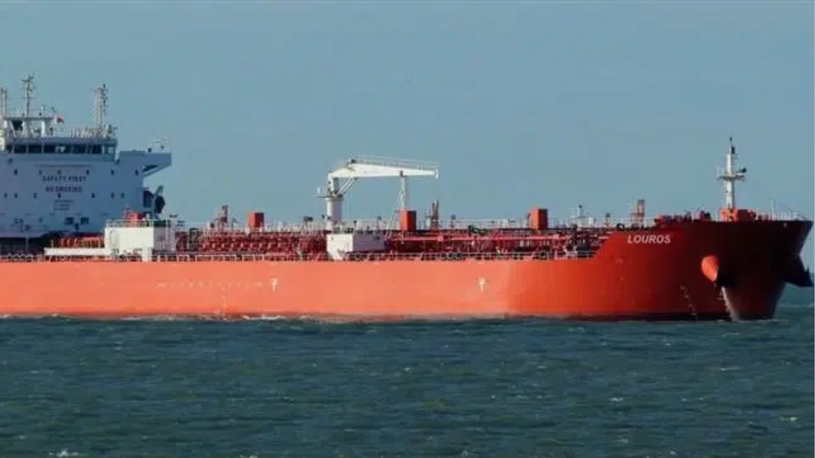
As part of its 17th sanctions package announced on 20 May, the EU designated 189 vessels involved in Russia-linked oil trade, calling it the “largest-ever” action of its kind. This brings the total number of vessels sanctioned by the bloc to 342.
“This round of sanctions on Russia is the most wide-sweeping since the start of the war, together with new hybrid, human rights and chemical weapons-related sanctions,” said EU foreign policy chief Kaja Kallas.
On the same day, the UK also announced new sanctions against 18 additional ships, building on the 110 vessels already targeted ahead of Prime Minister Keir Starmer’s visit to Kyiv, earlier this month.
“We have been clear that delaying peace efforts will only redouble our resolve to help Ukraine to defend itself and use our sanctions to restrict Putin’s war machine,” said UK Foreign Secretary David Lammy.
Wider net: owners, insurers, and facilitators targeted
Maritime intelligence provider Pole Star Global noted that the latest measures mark a strategic shift, as authorities move beyond targeting individual vessels to also sanction the complex web of companies enabling them.
Among the most prominent new entities designated are Turkey-based Cape Gemi and Hong Kong-based Prominent Shipmanagement. The EU said Cape Gemi ranks among the top exporters of Russian oil products in 2025, while Prominent Shipmanagement was one of the largest exporters of Russian crude as of December 2024.
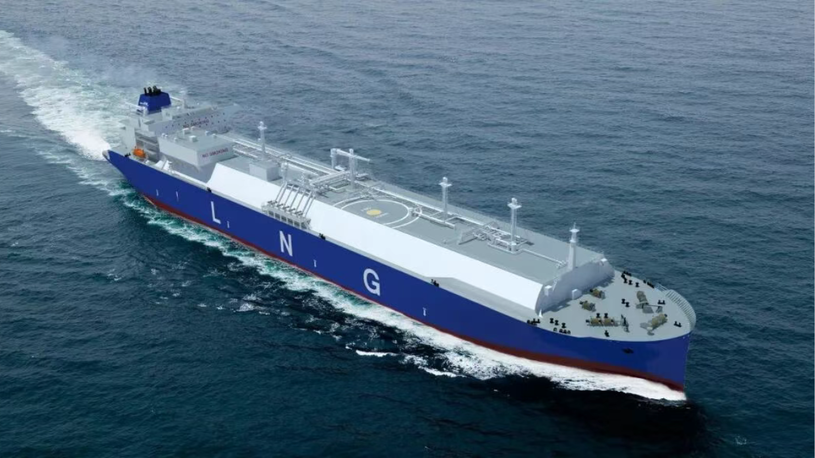
In a notable move, the EU also sanctioned three LNG carriers – North Moon, North Ocean, and North Light – operated by Japanese shipping giant Mitsui OSK Lines (MOL). Citing Kpler data, Reuters reported these vessels had transported cargoes from Russia’s Yamal LNG project to East Asia via ship-to-ship transfers. An MOL representative said it would continue co-operating with authorities and remain fully compliant with all applicable laws.
The EU’s latest sanctions also extend into the maritime insurance and finance sectors. Moscow-based VSK Insurance Joint Stock Co, a key provider of coverage for Russia’s energy sector, has now been sanctioned by the EU, having already been listed under existing UK measures. According to the EU, VSK insures Russian logistics operators – including transport vessels – that facilitate the export of Russian oil.
The UK also designated British national John Michael Ormerod for “procuring ships for Russia’s shadow fleet”. The Financial Times previously linked him to ship transactions that facilitated the transport of Russian oil.
Impact on Russian oil flows
Most of the newly sanctioned vessels fall within the tanker and product tanker categories. Even before the latest round of sanctions, Greek shipowner Navios Maritime Partners said in its Q1 earnings presentation that around 10% of the global tanker fleet is now considered sanctioned – on lists held by the EU, UK, or US. Aframax/LR2, Suezmax, and VLCC segments are particularly affected.
According to Gibson Shipbrokers, 93% of the shadow fleet is at least 15 years old, with 64% aged over 20 years.
However, shipowners and analysts note sanctions have yet to significantly disrupt Russia’s trade routes. US-listed Greek owner Pyxis Tankers observed, during its Q1 earnings presentation, that the overall impact on Russian cargo flows remains limited.
Citing Kpler data, Riviera reported in mid-May that Russian crude exports reached 79.0M tonnes in the first four months of 2025 – a modest 4.5% decline from 82.8M tonnes during the same period in 2024. India and China continue to be the primary buyers.
Still, the EU claimed that since the introduction of the oil price cap and sanctions on the shadow fleet, relevant Russia’s revenue has dropped by €38Bn (US$43Bn).
Sign up for Riviera’s series of technical and operational webinars and conferences:
- Register to attend by visiting our events page.
- Watch recordings from all of our webinars in the webinar library.
Related to this Story

Events

Maritime Regulations Webinar Week
 16 Dec 2025
 GMT - ONLINE
Floating energy: successfully unlocking stranded gas using FLNGs and FSRUs
24 Feb 2026GMT - ONLINE
© 2026 Riviera Maritime Media Ltd.


