


Business Sectors
Business Sectors
Events
Contents
Register to read more articles.
The impact of the Suez Canal incident
The good news is the orderbook is at a 30-year low; the bad news is the endless supply of bad news, from weak global demand due to repetitive waves of Covid-19 to the accidental blockade of the Suez Canal


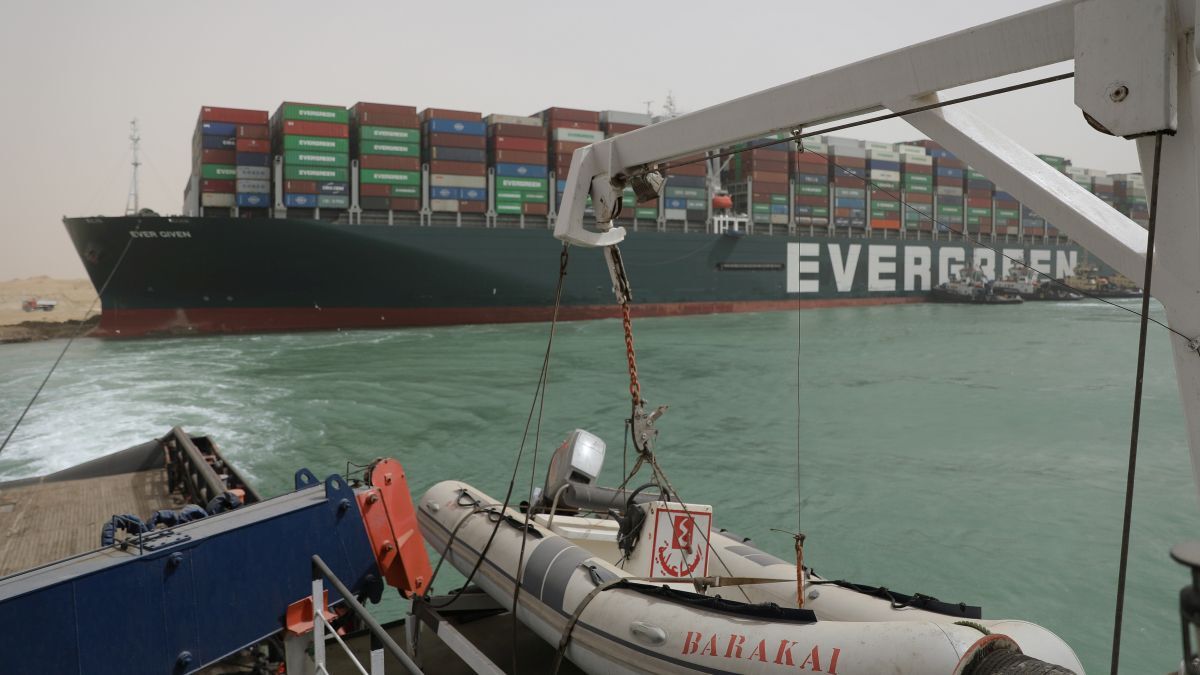
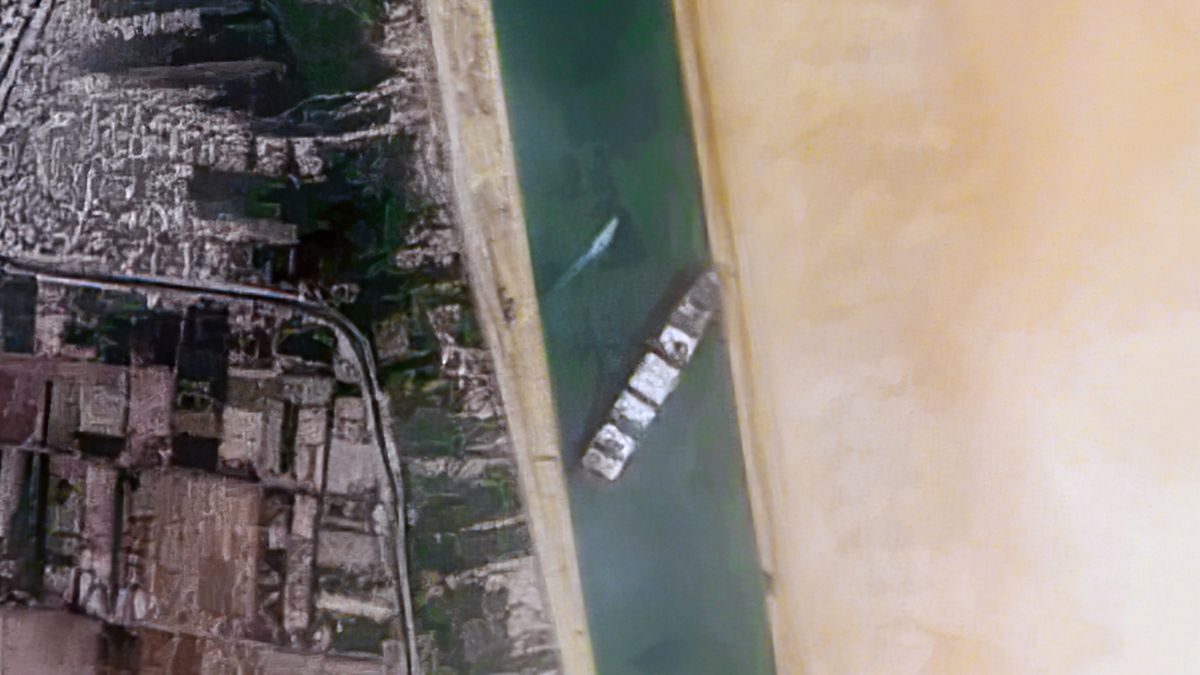
The blocking of the Suez Canal by an ultra large container ship (ULCS) has highlighted the vulnerability of chokepoints. Thankfully, no one was injured when the Ever Given ran aground, but the immediate impact saw more than 300 vessels held up north and south of the stranded vessel. Cleaves Shipping assessed that 10 tankers, 90 dry bulk vessels, 23 gas carriers and 83 container vessels were queuing up in and around the Suez Canal on 28 March 2021.
Almost immediately, some vessels diverted to the Cape of Good Hope route, adding two weeks to their voyages. On the tanker side, the Suez Canal is a transit route for around 5% of crude oil tankers and more than 10% of product tankers each year, according to Clarkson Research Services (CRS).
Poten & Partners’ analysis of tanker traffic in the Suez Canal reveals the main crude oil routes are from the Black Sea and eastern Mediterranean to Asia and from the Middle East to southern Europe. It notes that in 2020, an average of about 45 laden Suezmax tankers per month passed through the Canal. The voyage split was approximately seven Suezmax tankers on voyages from the Middle East to southern Europe, with just under a further four to the eastern Mediterranean. There are also some Suezmaxes trading through the Suez Canal as far as the UK. In the reverse direction are oil cargoes from the Black Sea and eastern Mediterranean to Asia. China is the main destination (around six Suezmaxes per month), although Poten & Partners reports India is importing just over four Suezmax cargoes per month via the Suez Canal.
“The Suez Canal Authority will have to re-evaluate how large vessels make passage through the Canal, including the mandatory use of escort tugs”
CRS reported that VLCC spot rates leapt upward by an average of 1,664%, which sounds spectacular, but was from a very low base. The average VLCC spot rate is still only a time charter equivalent (TCE) of US$6,700 per day. CRS noted that the Suez Canal incident has had some impact, with those VLCCs available for work in the Atlantic quickly being fixed, while the Middle East Gulf market remains over-supplied with open tonnage.
In the Suezmax sector, Cleaves Shipping reported a spike in Suezmax spot rates for those tankers positioned to take prompt cargoes ex-Mediterranean, and reported that LR2 tankers saw a +151% week-on-week spot rate increase to US$23,000 per day for non-scrubber-fitted tonnage.
The diversified shipping services group, Signal Group, which manages an Aframax pool and provides shipping software, assessed that there were 30 tankers above 25,000 dwt waiting to cross the Suez Canal. “We expect most vessels in ballast will decide to wait until the situation clarifies and, if fixed on a charter party, will likely get cancelled by the charterers through protection clauses related to missing agreed laycan dates.”
Signal Group also noted that the Suez incident occurred during a period of low crude oil demand, brought about by the Covid-19 pandemic. As if to emphasise the vulnerability of the Suez Canal, a few days after Ever Given was floated and removed from blocking the Canal, a tanker had an engine failure in the Canal. "The authority dealt quickly with a sudden failure in the engine of one of the ships crossing the Canal, the oil tanker Rumford, with a payload of 62,000 tonnes, while crossing the canal among the southern convoy," the Suez Canal Authority (SCA) said in a statement. It added that maritime traffic was not affected.
What is clear is that the Suez Canal Authority will have to re-evaluate how large vessels, including tankers, make passage through the Canal. This could include the mandatory use of an escort tug for vessels whose length could block the Canal.
“India’s population could overtake China in 2022”
Returning to the orderbook situation, the global ship orderbook is at a 30-year low, according to CRS, and output is expected to fall.
Are there any bright spots on the horizon? India is attempting to diversify its sources of oil supply and this might impact tanker tonne-mile demand, noted Poten & Partners: “India’s population is growing much faster than China’s. International organisations such as the World Bank and the United Nations estimate that India’s current population growth rate is in the range of 1.2-1.3%, while China’s population growth has slowed to about 0.5% per annum.” At these rates of growth, India’s population could overtake China in 2022 and by 2030, India’s population could be 50-100M larger than China.
Traditionally, India has sourced crude oil from the Middle East, a relatively short-haul voyage. Even increased demand from a growing population would not have the same impact on tanker tonne-mile demand as it did in China. The Indian Government has asked refineries to diversify supply away from dependence on Middle East sources, which averaged 63% of Indian imports between 2015 and 2020.
That change is already happening, noted Poten. Indian imports of crude oil from the Americas have risen in Q1 2021 to over 20%, from a previous average of 15%. The increase is mainly from the US Gulf. At the same time, Middle East imports have dropped to 56%.
In terms of tonne-mile demand, the Middle East generates only 20% of India’s pull on tonne-miles, due to its close proximity. The Americas is more than double (44%), due to the distances involved in steaming from the Atlantic Basin.



Related to this Story
Events

Maritime Regulations Webinar Week
 16 Dec 2025
 GMT - ONLINE
Floating energy: successfully unlocking stranded gas using FLNGs and FSRUs
24 Feb 2026GMT - ONLINE
© 2026 Riviera Maritime Media Ltd.


