


Business Sectors
Business Sectors
Events
Contents

2025's most-read stories in Maritime Optimisation & Communications
We look back over our most-read stories from the year to revisit the topics that your reading habits revealed as key issues in the industry in 2025


This year, maritime operators have confronted rising risks – from suspected GPS jamming and shifting satellite connectivity economics to major consolidation in data services. At the same time, advances in analytics, digital twins and AI-based fleet-management tech are reshaping how the industry monitors and manages vessels globally.
To read each story in full, click on the headline, the image or the link at the end of the text.
Sign up for Riviera’s series of technical and operational webinars and conferences in 2025:
- Register to attend by visiting our events page.
- Watch recordings from all of our webinars in the webinar library.
1. MSC box ship grounds in apparent GPS jamming incident

An MSC-operated container ship reportedly ran aground some 100 nautical miles off the coast of Jeddah – an incident now being linked to possible GPS spoofing or jamming, as vessel-tracking data appeared erratic ahead of grounding. The case has sparked new concerns about relying on GNSS for navigation in sensitive sea lanes.
2. Maritime operators face May deadline as Starlink terminates unlimited data plans

Industrywide reliance on low Earth orbit satellite broadband via Starlink is under pressure: the company discontinued its unlimited-data maritime plans in May 2025, forcing ship operators to transition to capped or metered data. Many vessels that were using terabytes of data within days will now see dramatically different connectivity economics – prompting a rush to alternative network management and data monitoring solutions.
3. Cargill invests in AI and analytics for digital transformation

Global commodities group Cargill has entered into a long-term investment in AI and analytics platforms – a move aimed at digitalising its fleet operations, optimising cargo and voyage planning, and improving transparency across its shipping and logistics activities. The initiative reflects broader industry trends towards data-driven decision making and predictive analytics in maritime operations.
4. Kpler acquires Spire Maritime to boost data-analytics capabilities

Maritime data and trade intelligence firm Kpler has acquired Spire Maritime – bringing satellite AIS vessel tracking and global analytics under one umbrella. The deal is expected to expand real-time coverage of global vessel movements and offer enhanced visibility for commodity traders, charterers and supply chain participants worldwide.
5. Virtual twins are the future for ship class and lifecycle management
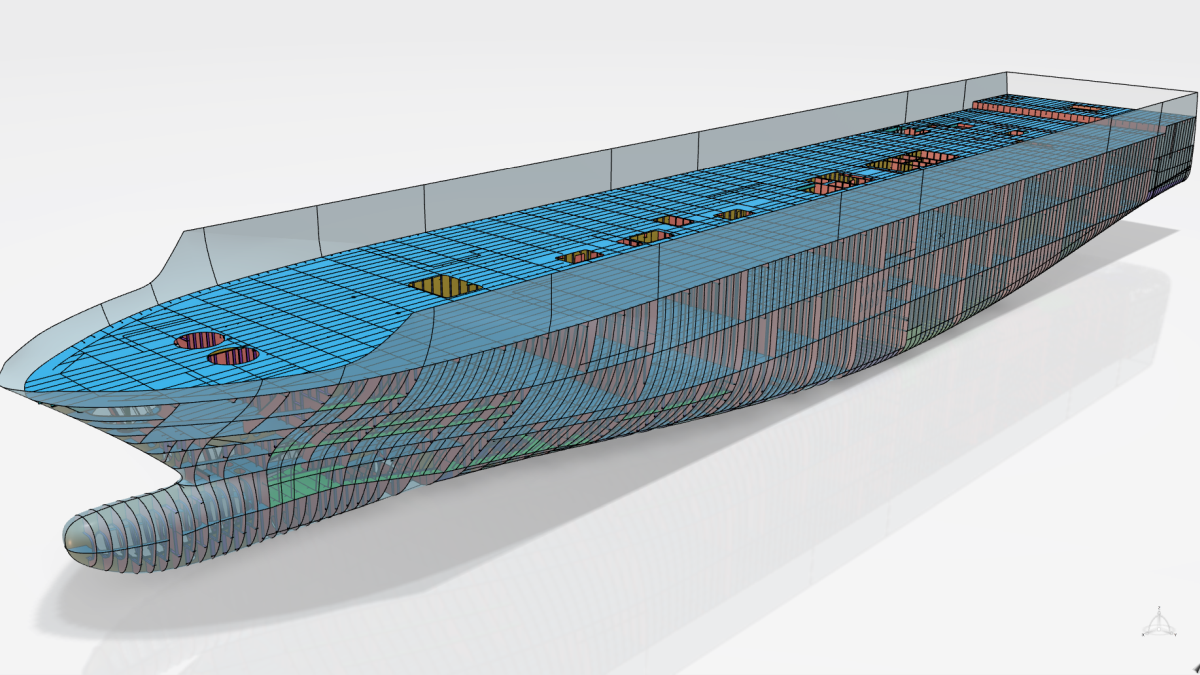
Classification societies and shipowners are increasingly adopting digital twin technology to manage vessel lifecycle, maintenance and compliance. These ’virtual twins’ allow real-time monitoring of systems, predictive maintenance and streamlined class certification processes – potentially reducing downtime and operational costs while improving safety and regulatory compliance.
Sign up for Riviera’s series of technical and operational webinars and conferences:
- Register to attend by visiting our events page.
- Watch recordings from all of our webinars in the webinar library.



Related to this Story

Events

© 2026 Riviera Maritime Media Ltd.


