


Business Sectors
Business Sectors
Events
Contents
Register to read more articles.
A transformative year for France's biggest port
Attracting nearly 10,000 ships, 4M passengers, and 75M tonnes of goods in 2025, the Port of Marseille-Fos is looking to expand its business further, with US$1.5Bn in investments


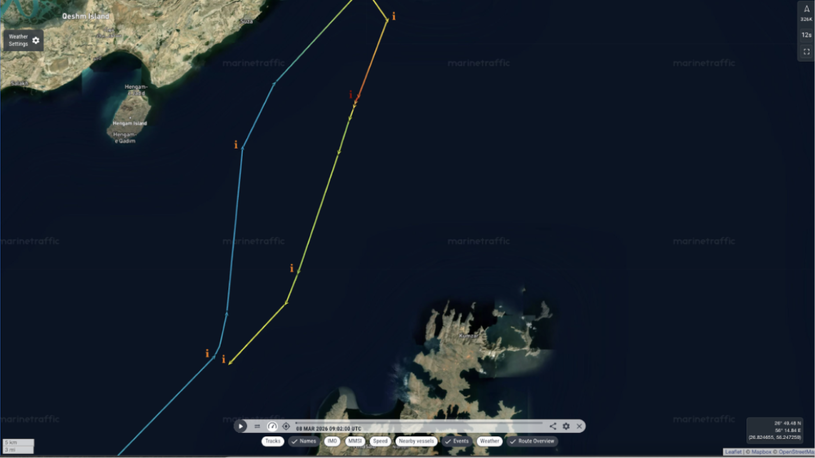
Turmoil in the Strait of Hormuz makes the US$1.5Bn development of Marseille-Fos, France’s biggest port, look increasingly like a strategic investment of long-term importance.
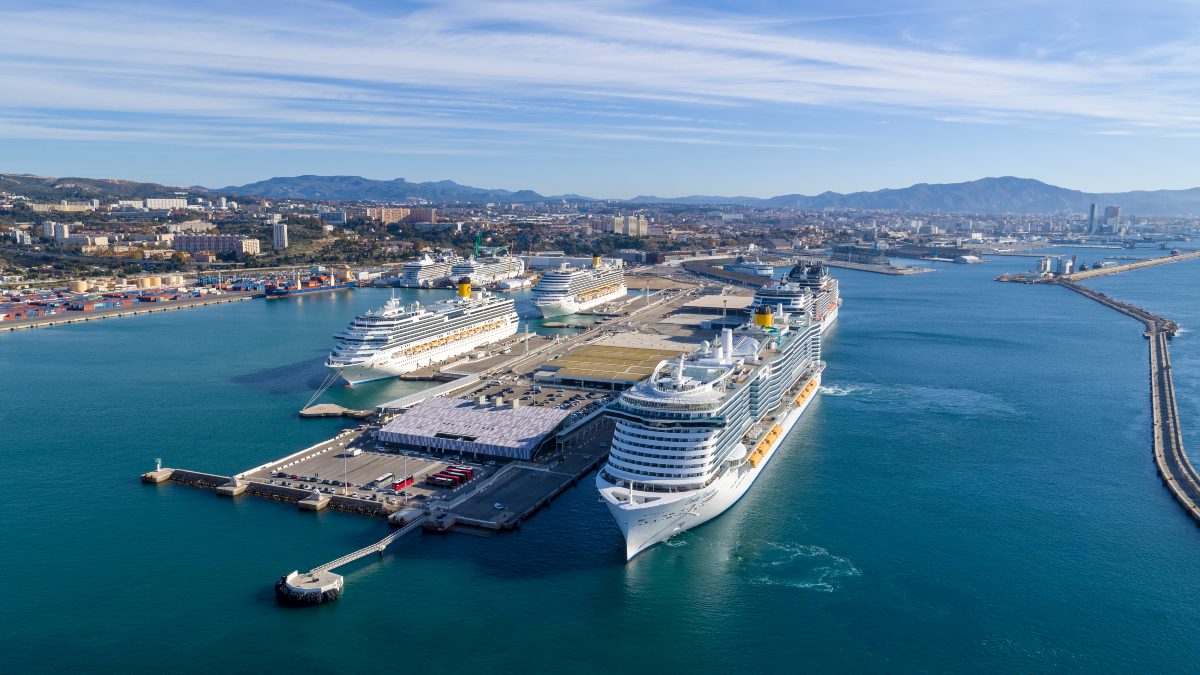
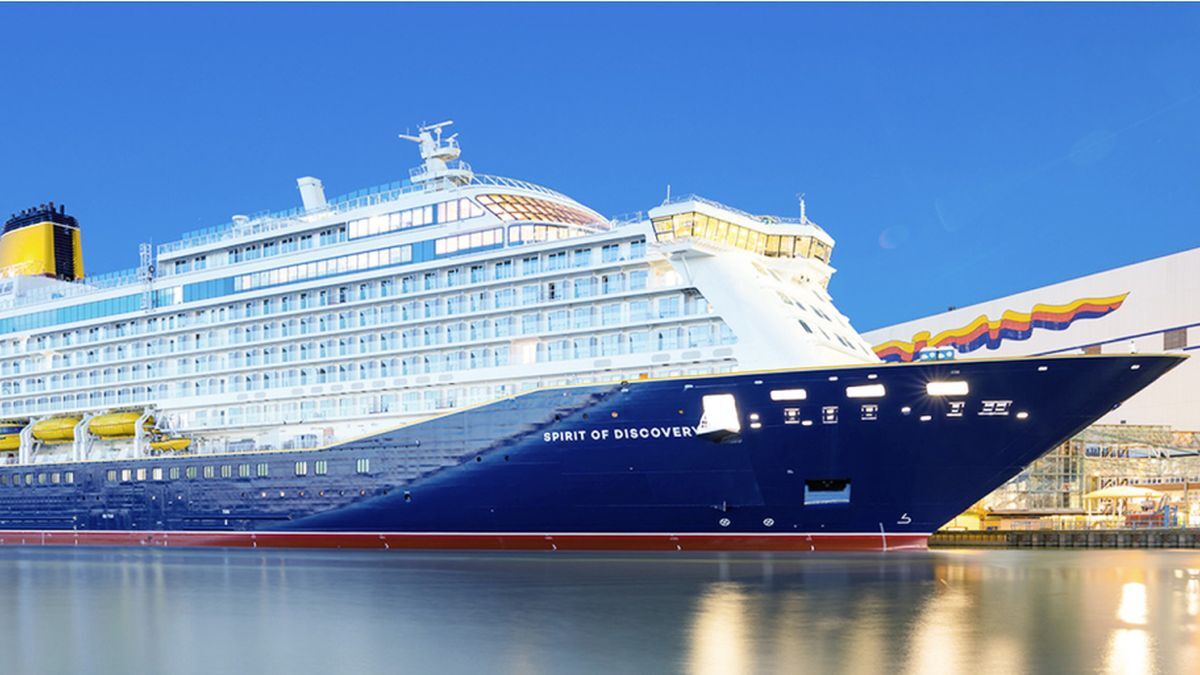
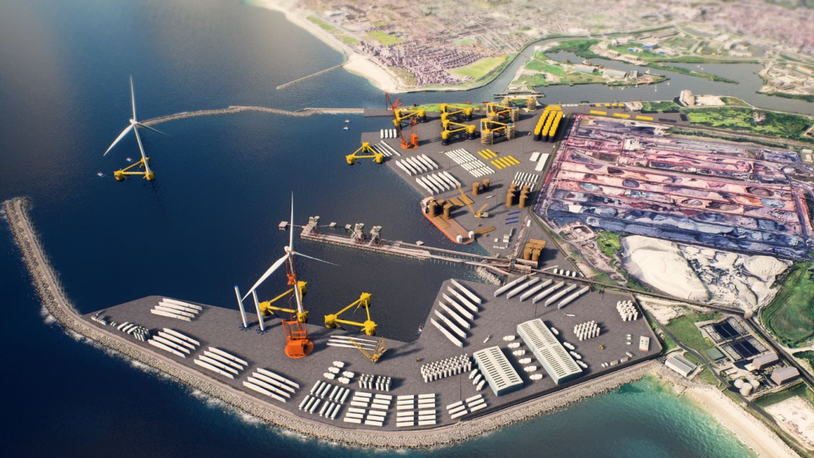
In a bid to cement its already powerful role in the Mediterranean container market, Marseille-Fos will in 2026 launch a port-wide expansion programme that includes new container terminals, vehicle automation, investments in green energy and a major increase in port-city infrastructure that leverages its unique position. Additionally, the French port is ramping up its shore power capabilities to allow it to plug in three large cruise ships simultaneously, one of its fastest-growing businesses.
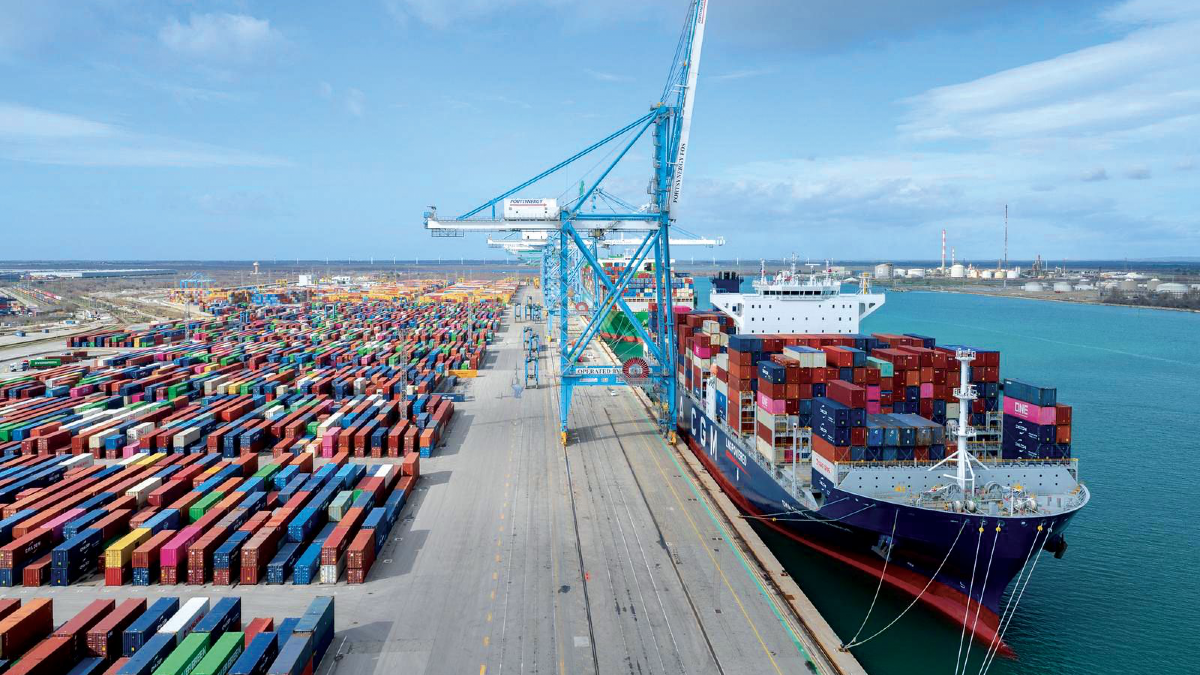
Marseille-Fos is already France’s biggest port, attracting in 2025 nearly 10,000 ships, 4M passengers and 75M tonnes of goods. Strategically located on the edge of the Mediterranean and the Rhône Delta, it is the natural port of entry into Europe, with robust inland logistics. That is why the port connects to 500 other ports in almost 160 countries. Practically every type of cargo crosses its wharves.
And it is doing so on the back of a robust 2025 financial year despite what chief executive and chairman Hervé Martel described as “one of great instability in the international and national context which is becoming the norm.” Ports, he said, continually suffer from these upheavals – “each geopolitical tension, each regulatory development affects our traffic and our competitiveness.”
In this turbulent world, Martel sees diversification as the best strategy for Marseille-Fos – “a multi-sector destination that can absorb shocks thanks to the complementarity of its activities [based on] encouragement of new traffic, logistical innovation and development of a multi-energy hub.”
The prospective investment, direct and indirect, is huge. On top of its own US$1.5Bn expansion budget for 2025-2029 – which also includes a new administrative headquarters and training centre for the 10,000 extra staff who will be hired over the next few years – Marseille-Fos is the centrepiece of a US$17.25Bn privately funded industrial hub spreading out from the port into the city.
This is a long-term project close to the highly patriotic Saadé family, which controls the port’s biggest customer, CMA CGM, connecting mainly with Asia and southern Europe from Marseille. After 40 years’ operating from the port, CMA CGM is deeply involved in the development of Marseille-Fos, in particular its transformation into a Mediterranean hub for LNG bunkering in partnership with Total, as well as in sustainable shipping. CMA CGM’s new 10-strong fleet of LNG-fuelled 24,000-TEU container ships will boost arrivals at Marseille-Fos.
Along with rival MSC, the Marseille-based container line will benefit from the expansion of the high-capacity Fos 2XL terminal area, where PortSynergy-Eurofos, a joint venture between DP World and CMA CGM’s Terminal Link, handles about 60% of the port’s container traffic. Throughput is sped up by automated guided vehicles (AGVs). Already a key gateway for Mediterranean trade, Fos 2XL will become even more important now that the port has signed with MSC to use the 120 m-long extension of the terminal, which will allow two 400 m-long container ships to be worked simultaneously.
A major attraction of Fos 2XL is that inward traffic has direct access to central France through rail freight and the Rhône River, courtesy of CMA CGM.
Marseille-Fos is also leveraging CMA CGM’s heavyweight investment in France’s internal logistics, notably in Lyon where the shipping group is transforming the old Port Edouard Herriot into a sustainable multimodal hub connected to Marseille by rail and electric barges. A CMA CGM-led consortium acquired a 67%, 30-year concession in the terminal and is already well into a US$46M upgrade of the renamed Lyon Rhône Terminal that will add two new 10-hectare terminals, new rail lines, improved IT systems and latest-generation gantry cranes.
The ambitious plans call for a doubling of capacity to 230,000 TEU by 2028, with 100,000 TEU moving up the Rhône River in a project of global significance. In 2026, electric barges will start carrying goods between Marseille-Fos and Lyon, bypassing road transport along the congested A7 motorway. A pet project of French president Emmanuel Macron, the barges will power up along the river at new charging stations.
Cruise passenger growth
As Marseille-Fos invests heavily in the container trade, the cruise industry is growing in importance. In 2025, according to the port’s latest financial report, the number of cruise passengers hit 2.6M, up by 7%. Mr Martel, who is directing the sustainability drive, was encouraged by the 185 LNG-fuelled cruise ships that called at the port, accounting for 28% of all arrivals.
Mr Martel sees 2026 as a “pivotal year – a year of concretisation – when several transformative developments will become visible after years of preparation”. He describes 2025 as a transition year, even though total traffic of 74M tonnes was up 5%, while container traffic remained stable “despite extremely aggressive competition in the Mediterranean.”
Overall, he is optimistic about the future of a heavily invested Marseille-Fos. “The port is entering a long-term upward trajectory sustained by its modernisation and a continuing improvement in its viability.”
Looking ahead, he sees the port as an international hub that continually attracts new partners because of its seamless connection between maritime and land corridors. In early 2026, the port was developing opportunities along container routes, notably with Singapore and India, the latter following in the footsteps of CMA CGM’s long-term shipbuilding, terminal, and crew training investments there. And in another new partnership, in late 2025, Marseille-Fos signed with Japan’s Port of Kobe to develop routes.
Another step in the port’s sustainability ambitions, and dear to the hearts of the Saadé family, is a billion-dollar project between Marseille-Fos and European partners to produce low-carbon hydrogen that is due to start at the end of 2030.
Sign up for Riviera’s series of technical and operational webinars and conferences:
- Register to attend by visiting our events page.
- Watch recordings from all of our webinars in the webinar library.
Related to this Story
Events

Maritime Regulations Webinar Week
 16 Dec 2025
 GMT - ONLINE
Floating energy: successfully unlocking stranded gas using FLNGs and FSRUs
24 Feb 2026GMT - ONLINE
© 2026 Riviera Maritime Media Ltd.


