


Business Sectors
Business Sectors
Events
Contents
At least US$25Bn, and years, to restore energy infrastructure damaged in Iran war
’Capital alone will not be sufficient’ to bring Qatar LNG’s damaged Ras Laffan facilities back online, says Rystad Energy’s analysis, which points to fragility in the manufacturing supply chain


Inherent fragility in the manufacturing supply chain for LNG terminal components is a key consideration for estimating the extent of cost and supply disruption energy markets are likely to face from war-damaged energy infrastructure in the Middle East.
Estimates from analysts at market intelligence firm Rystad Energy highlighted the complexity of repairs and restoration for the energy facilities damaged or destroyed by strikes in the ongoing war between allies the US and Israel, and Iran.
Rystad put the cost for energy infrastructure and repair at "at least US$25Bn".
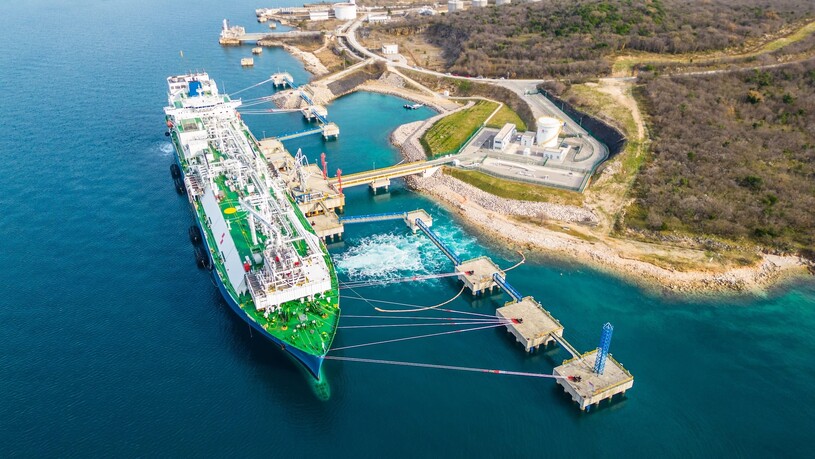
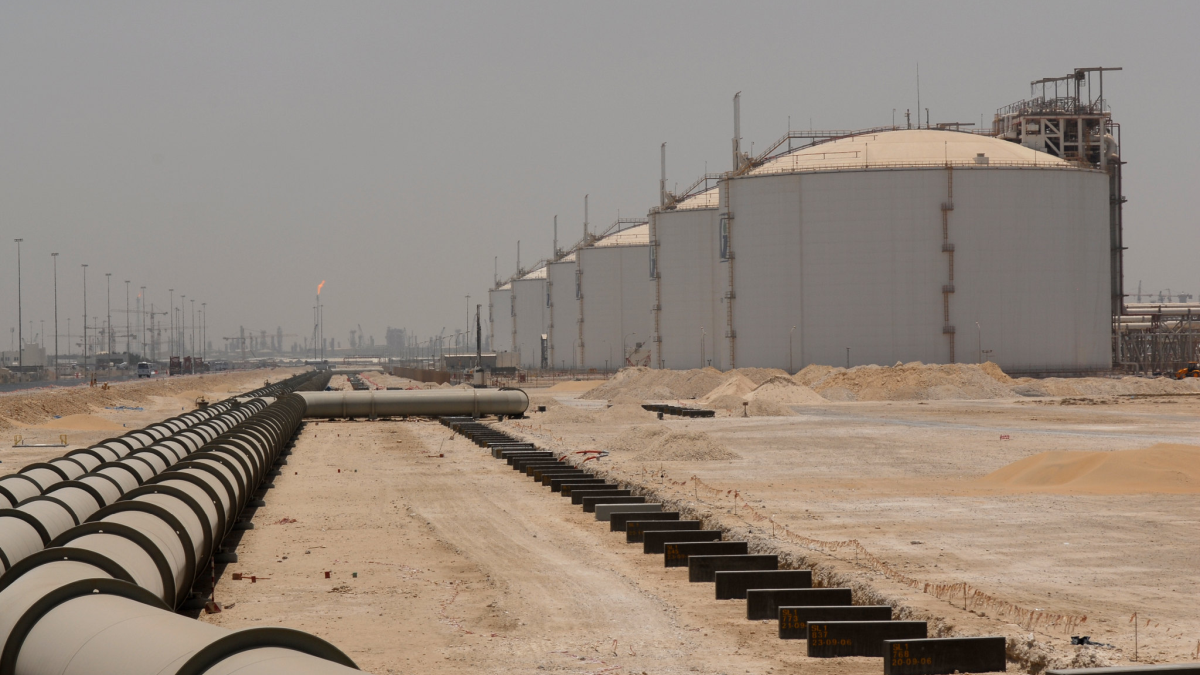
The lion’s share of the cost and time to repair is taken up by damage and shutdowns affecting liquefied natural gas (LNG) trains at Qatar’s Ras Laffan Industrial City, the Rystad assessment said.
Declaring ’long-term’ force majeure, QatarEnergy estimated damage to its Ras Laffan LNG export facility – the world’s largest – will cost US$20Bn in lost revenue and take up to five years to repair.
Rystad analysts said the timeline is dictated by integral parts needed for repair that are made in a limited number of specialist facilities that all have long lead times for fabrication.
"In assessing repair costs and full restoration timelines across severity tiers, one clear outlier emerges in Qatar’s Ras Laffan Industrial City, where the destruction of LNG trains S4 and S6 has triggered force majeure and a 17% capacity reduction, equivalent to about 12.8M tonnes per annum (mta)," Rystad said, noting "capital alone will not be sufficient to restore the facility."
The five-year timeline comes down to a limited number of suppliers.
"Large-frame gas turbines required to power LNG main refrigeration compressors are supplied by only three original equipment manufacturers globally, all of which entered 2026 with production backlogs of around two to four years, driven by demand from data centre electrification and coal plant retirements," Rystad said.
These so-called ’structural constraints’ push the recovery timeline for restoring Ras Laffan to years, rather than the months it could take to restore some oil-related facilities.
While acknowledging the immediate impacts of the Strait of Hormuz closure, Rystad Energy head of supply chain research Audun Martinesen pointed to the long-term potential setbacks from the damaged facilities.
"Every day of damaged or shut-in infrastructure pushes [the return to] prewar production capacity further out of reach," he said, noting that, with urgent repairs likely taking precedence above other initiatives, the impacts from the damage to facilities at Ras Laffan are likely to hamper Qatar’s expansion plans, longer-term.
Riviera’s LNG Shipping & Terminals Conference will be held on 10-11 November 2026. Use this link for more information and to register for the event.


Related to this Story
Events

Maritime Regulations Webinar Week
 16 Dec 2025
 GMT - ONLINE
Floating energy: successfully unlocking stranded gas using FLNGs and FSRUs
24 Feb 2026GMT - ONLINE
© 2026 Riviera Maritime Media Ltd.


