


Business Sectors
Business Sectors
Events
Contents

Register to read more articles.

Ardmore undertakes cargo tank recoating, expands cargo flexibility
Ardmore Shipping says six recoated tankers are gaining wider cargo access, shorter cleaning times and lower operating costs


Ardmore Shipping has completed a midlife cargo tank recoating programme on six product and chemical tankers, saying the work has widened cargo flexibility and reduced cleaning times.
The programme covered two South Korean-built D Class tankers – Ardmore Defender and Ardmore Dauntless – and four Japanese-built C Class vessels – Ardmore Cheyanne, Ardmore Cherokee, Ardmore Chinook and Ardmore Chippewa.
The vessels are 10 years old and were originally delivered with epoxy-coated cargo tanks.
Ardmore Shipping cargo manager Cristin Nutu said the work was intended to improve commercial flexibility rather than replace tonnage.
“This recoating strategy is about keeping our ships ready for what the market demands today. Speed, flexibility and the ability to handle challenging cargo sequences are critical to capturing favourable freight economics,” Mr Nutu said.
The recoated ships can now target a broader range of cargoes, “We now have greater cargo versatility, as MarineLINE supports a wider range of chemicals, including demanding, high-specification grades,” Mr Nutu said.
He added, “As a result, our fleet can pursue a broader set of backhaul cargoes and repositioning options, capturing favourable freight economics and reducing exposure to ballast-only legs when market conditions shift.”
Mr Nutu also linked the recoating work to lower cleaning effort and reduced operational pressure on crews, “Reduced cleaning times can also drive secondary benefits. We will use fewer chemicals and less water, along with shorter steaming, and port stays related to tank readiness will decrease workloads and the pressure on crew, lowering the total cost of the operation across the cargo cycle,” he said.
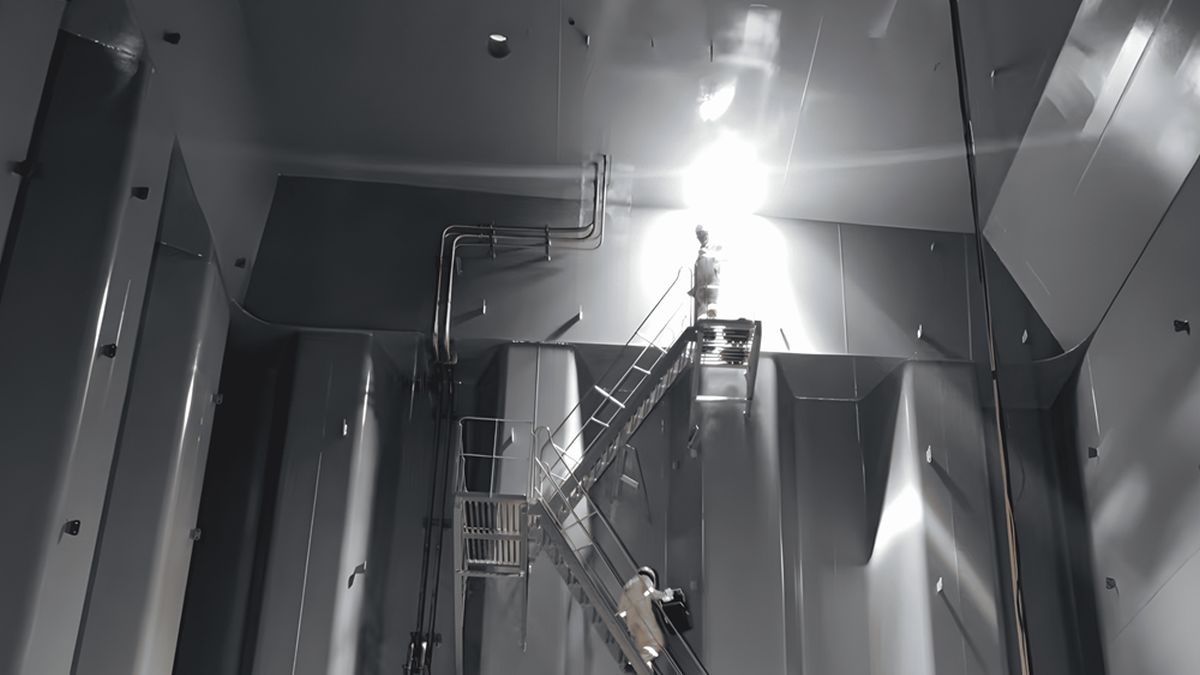
The recoating programme was carried out at Chengxi Shipyard in China.
Advanced Polymer Coatings (APC) global marine sales manager Peter Stoyles said recoating orders are increasingly tied to trading limitations, “We are often brought in because existing coatings are struggling to cope with aggressive cargoes such as methanol and FFA. Owners have missed spot trades because cleaning and ventilation have taken too long, or they simply couldn’t prepare the tanks in time,” Mr Stoyles said.
He added that absorption in traditional epoxy coatings “directly reduces a vessel’s availability for spot market trading.”
Riviera’s International Chemical and Product Tanker Conference will be held in London on 21-22 April 2026. Use this link for more information and to register for the event.





Related to this Story



Events

Maritime Regulations Webinar Week
 16 Dec 2025
 GMT - ONLINE

Floating energy: successfully unlocking stranded gas using FLNGs and FSRUs
24 Feb 2026GMT - ONLINE
© 2026 Riviera Maritime Media Ltd.


