


Business Sectors
Events

Floating energy: successfully unlocking stranded gas using FLNGs and FSRUs
 24 Feb 2026
 GMT - ONLINE
Contents
Asian banking syndicate backs construction of Singapore’s first FSRU
MOL has signed a deal with five lenders to back the construction of Singapore’s first floating LNG terminal, which will enter service before the end of the decade


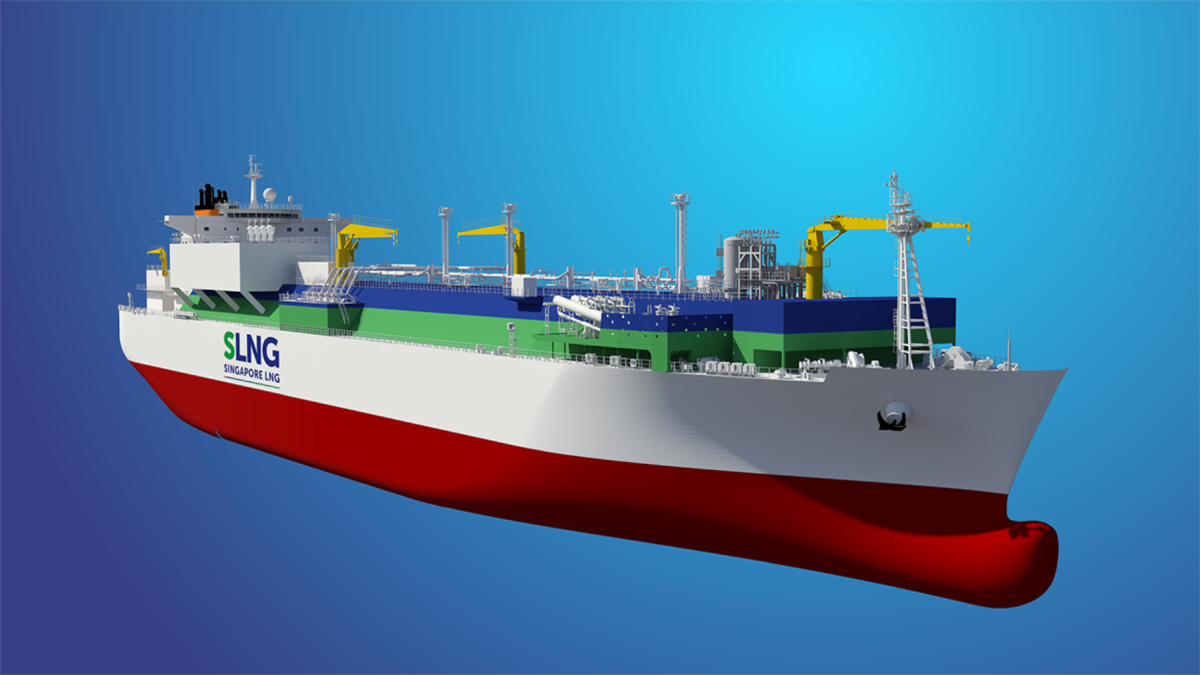
Japan’s Mitsui OSK Lines (MOL) has signed a project finance agreement with an Asian banking syndicate for Singapore’s first floating storage and regasification unit (FSRU). The group of lenders includes: the Japan Bank for International Cooperation (JBIC); Mitsubishi UFJ Financial Group; DBS Bank; Oversea-Chinese Banking Corp; and Standard Chartered Bank (Singapore).
MOL did not disclose the terms of the deal. But JBIC reported separately it had signed a loan agreement in December to finance the project for as much as US$189M covering its share of the loan with UnicornMark Discovery, a company formed by MOL to own the FSRU.
When it was awarded the contract to build the FSRU, South Korean shipbuilder Hanwha Ocean put the value of the deal at US$413M.
Singapore LNG Corp (SLNG) signed a long-term charter with MOL to operate the FSRU as the city-state’s second LNG terminal.
“The FSRU underscores the importance of LNG in Singapore’s energy mix”
The FSRU will be moored at the Jurong Port, receiving, storing and regasifying LNG, and sending gas to shore. Having two LNG terminals in operation will provide Singapore with flexibility and energy security since the country produces about 95% of its domestic power generation by imported natural gas. Contracts with Indonesia, the country’s main supplier of natural gas via pipeline, expire in 2028. Major suppliers of LNG to the city-state are the US, Qatar and Australia.
SLNG chief executive, Leong Wei Hung, said the FSRU “underscores the continued importance of LNG in Singapore’s energy mix.”
SMART FSRU
With an overall length of 299 m and beam of 51 m, the FSRU will have a storage capacity of 204,000 m3 and regas capacity of 5M mta. Hanwha Ocean held a steel cutting ceremony at its yard in October 2025, with delivery set for October 2027.
The vessel is unique in that it has been designed and engineered to operate for the entire length of its 25-year charter period without dry docking, which is a first for an FSRU, according to SLNG. To achieve this and remain compliant, the ship will be certified to several ABS ‘SMART’ class notations that signify the use of advanced digital technologies to enhance operational efficiency, enable predictive maintenance, and strengthen safety assurance.
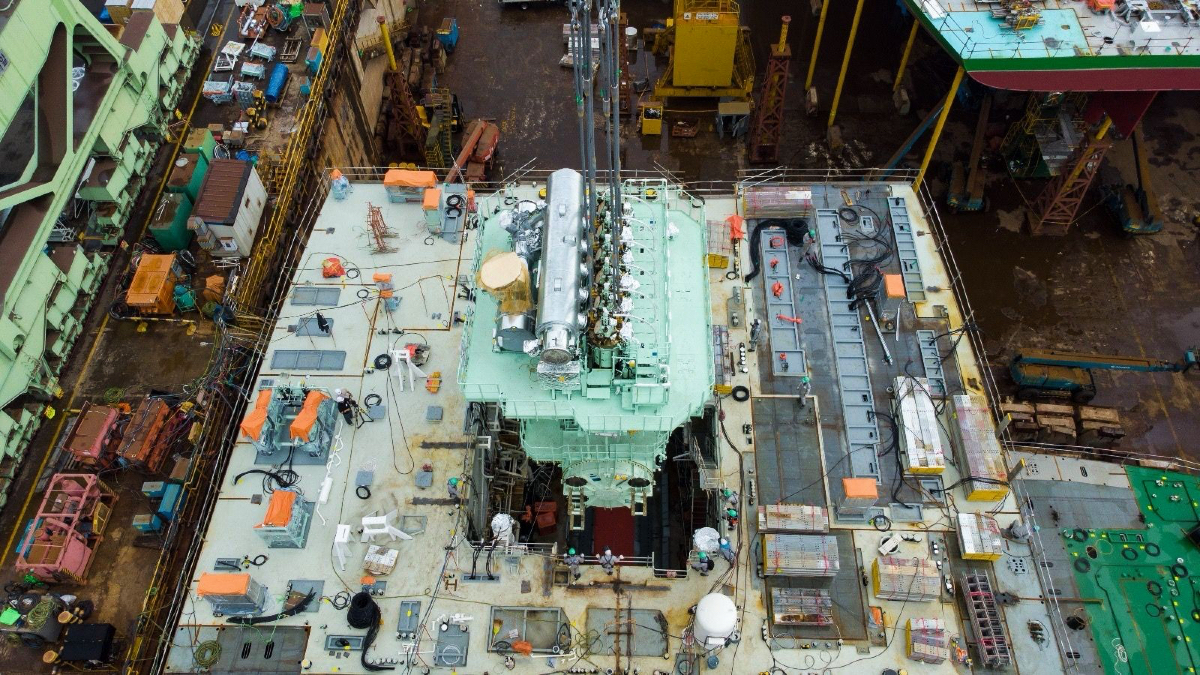
Real-time data will be collected from the vessel’s main generator engines, which will carry SMART MHM (Machinery Health Monitoring) notation. The data will provide insight into the machinery’s condition and operation, enabling proactive, data-driven servicing.
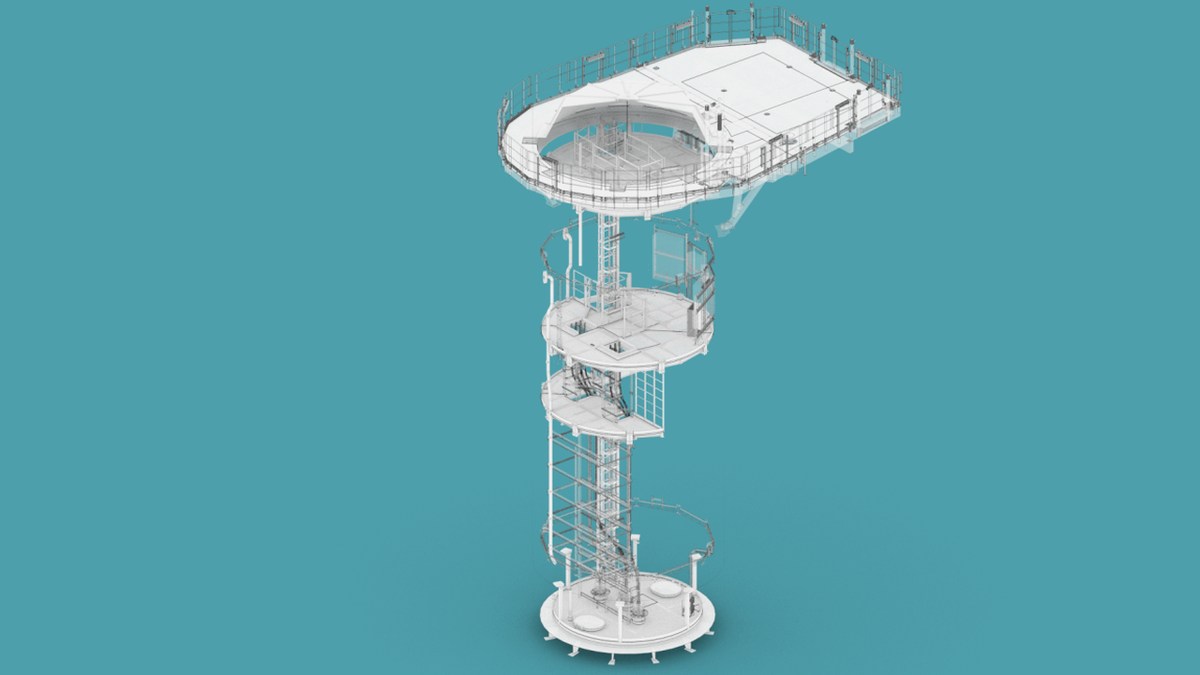
Additionally, the vessel’s design incorporates dedicated onboard maintenance spaces and purpose-built clearances allowing critical systems to be services in situ, ensuring compliance while maintaining optimum operation.
It is anticipated that the FSRU will enter service by the end of the decade. Once in service, the FSRU will allow SLNG to increase its combined LNG throughput capacity up to 15 mta, providing greater flexibility to meet Singapore’s future gas demand.

Related to this Story


Events

Maritime Regulations Webinar Week
16 Dec 2025GMT - ONLINEFloating energy: successfully unlocking stranded gas using FLNGs and FSRUs
24 Feb 2026GMT - ONLINE
© 2024 Riviera Maritime Media Ltd.


