


Business Sectors
Events

Floating energy: successfully unlocking stranded gas using FLNGs and FSRUs
 24 Feb 2026
 GMT - ONLINE
Contents
Register to read more articles.
Clarksons: 50% of orderbook tonnage is alternative-fuel capable vessels
The global fleet has grown 2% in gross tonnage since the start of the year and 4% year-on-year as the flow of newbuilds continues


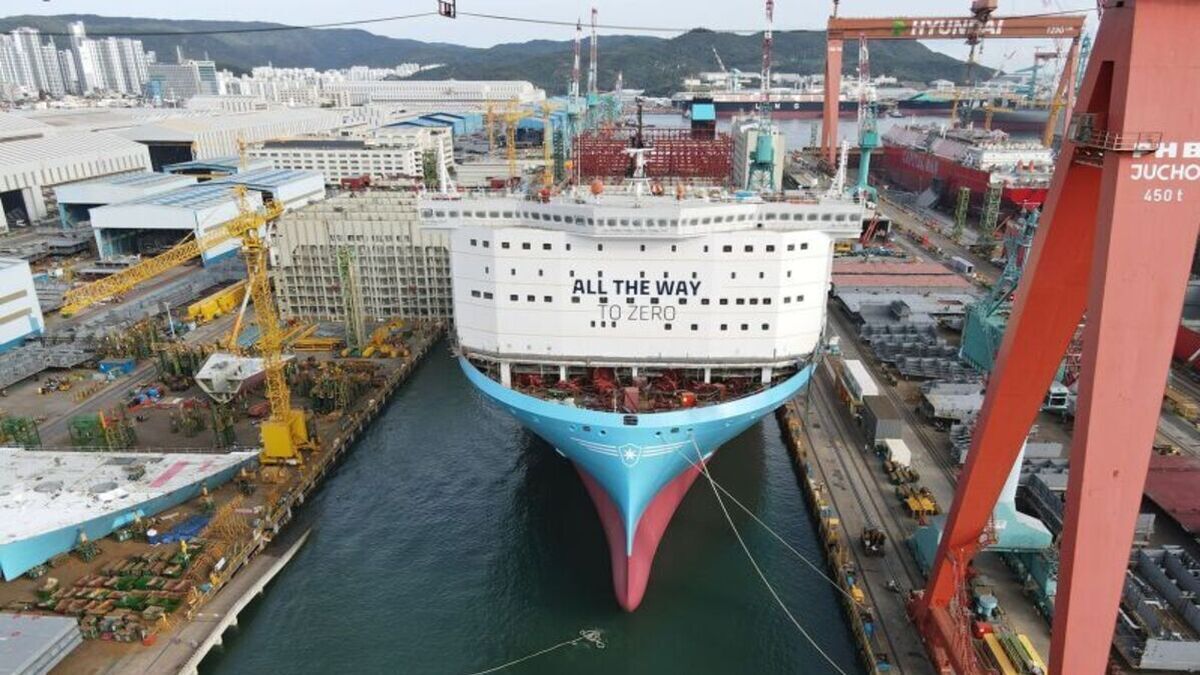
At the start of July, the world fleet stood at 109,940 vessels of 1.6Bn gross tonnes (gt). 1,035 ships totalling 42.4M gt were ordered in the first half of the year alone, keeping broadly in line with the pace of orders from 2023, according to data from shipbroker Clarksons.
The energy transition and the changing legislation continue to shape the arrival of new tonnage, as 41% of tonnage ordered in the first half of the year, some 315 units totalling 17.3M gt, on order are alternative-fuel capable.
Among those notable orders was Hoegh Autoliners, which a received state grants to convert four of the 12 9,100-CEU pure car and truck carriers it has on order at CMHI (Jiangsu) to run on ammonia.
Looking ahead, Clarksons projects by the end of the decade, more than 20% of global fleet capacity will be alternative-fuel capable, up from about 6~7% in 2024. Several factors contribute to that projection: an ageing fleet – 12.8 years on a gt weighted basis up from a low of 9.7 years in 2013 – over 30% of fleet capacity rating D or E under CII last year and long lead times (~3.5 years) at major shipyards.
Retrofitting new technologies remains crucial to decarbonisation. Energy-saving technologies have been fitted on more than 8,713 ships, accounting for 33.5% of fleet tonnage: a figure that includes propeller ducts, rudder bulbs, Flettner rotors, wind kites, air lubrication systems and others. About 31 vessels in the fleet – plus 28 newbuilds – will also test onboard carbon capture technology.
Excluding LNG carriers, LNG dual-fuel (DF) vessels account for 12% of total tonnage ordered in the first half of 2024, followed by methanol DF units at 8%. Alternative-fuel ready ships account for 22% of tonnage ordered in H1 2024, up from 16% for the same period in 2023.
Global yard output totalled 1,208 ships of 36.2M gt in H1 2024, up 11% on the same period last year in tonnage terms. However, recycling volumes have remained limited, with just 191 units of 3.5M gt scrapped so far this year.
Two months ago, Clarksons said it expected newbuild orders to continue, citing the “red hot” tanker sector in particular and active orders for gas carriers and broad environmental fleet renewal programmes being enacted by cargo and liner companies.
This year, X-Press Feeders launched Europe’s first feeder network using green methanol with 13 more vessels to follow by 2026.
However, Clarksons said investments in port infrastructure and the availability of alternative fuels continue to lag, with its Green Technology Tracker detailing 273 ports with LNG bunkering and 251 ports with a shore power connection in place or planned, but only 29 ports with methanol bunkering available and planned.
Legislation will continue to drive change. On 1 July, a ban on the use of heavy fuel oil (HFO) in the Arctic region, adopted by the IMO at MEPC 76, came into effect, in a bid to protect the area from black carbon emissions and oil spills. On a transitionary basis, countries bordering the Arctic can exempt their vessels until 2029. Ships with protected fuel tanks are also allowed to carry HFO until 2029.
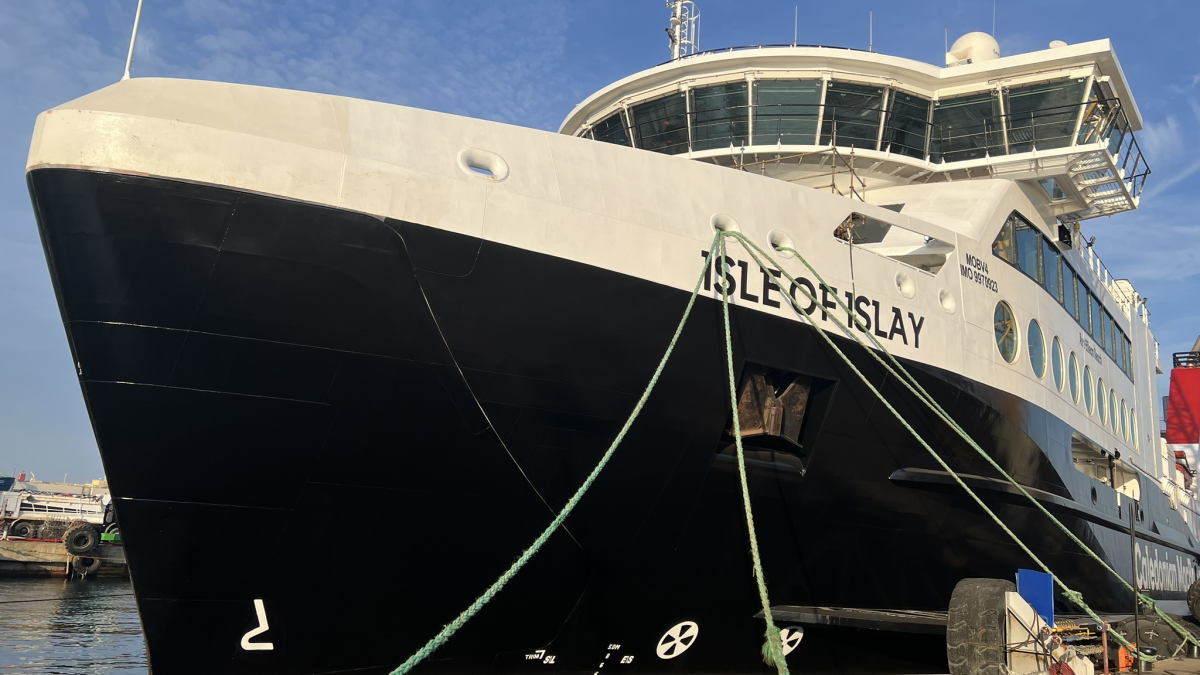
Notably in the United States, legislators have directed the largest ferry operator in the country, Washington State Ferries, to embark on building new vessels running on hybrid-electric propulsion as part of a US$4Bn Ferry System Electrification plan, while Canadian authorities are assisting a large project in Halifax to support electric ferries, terminals and associated infrastructure to support the growing demand for sustainable transport.
Riviera’s Maritime Decarbonisation Conference, Europe 2024 will be held in Amsterdam, 24-25 September 2024. Click here for more information on this industry-leading event.
Related to this Story

Events

Maritime Regulations Webinar Week
16 Dec 2025GMT - ONLINEFloating energy: successfully unlocking stranded gas using FLNGs and FSRUs
24 Feb 2026GMT - ONLINE
© 2024 Riviera Maritime Media Ltd.


